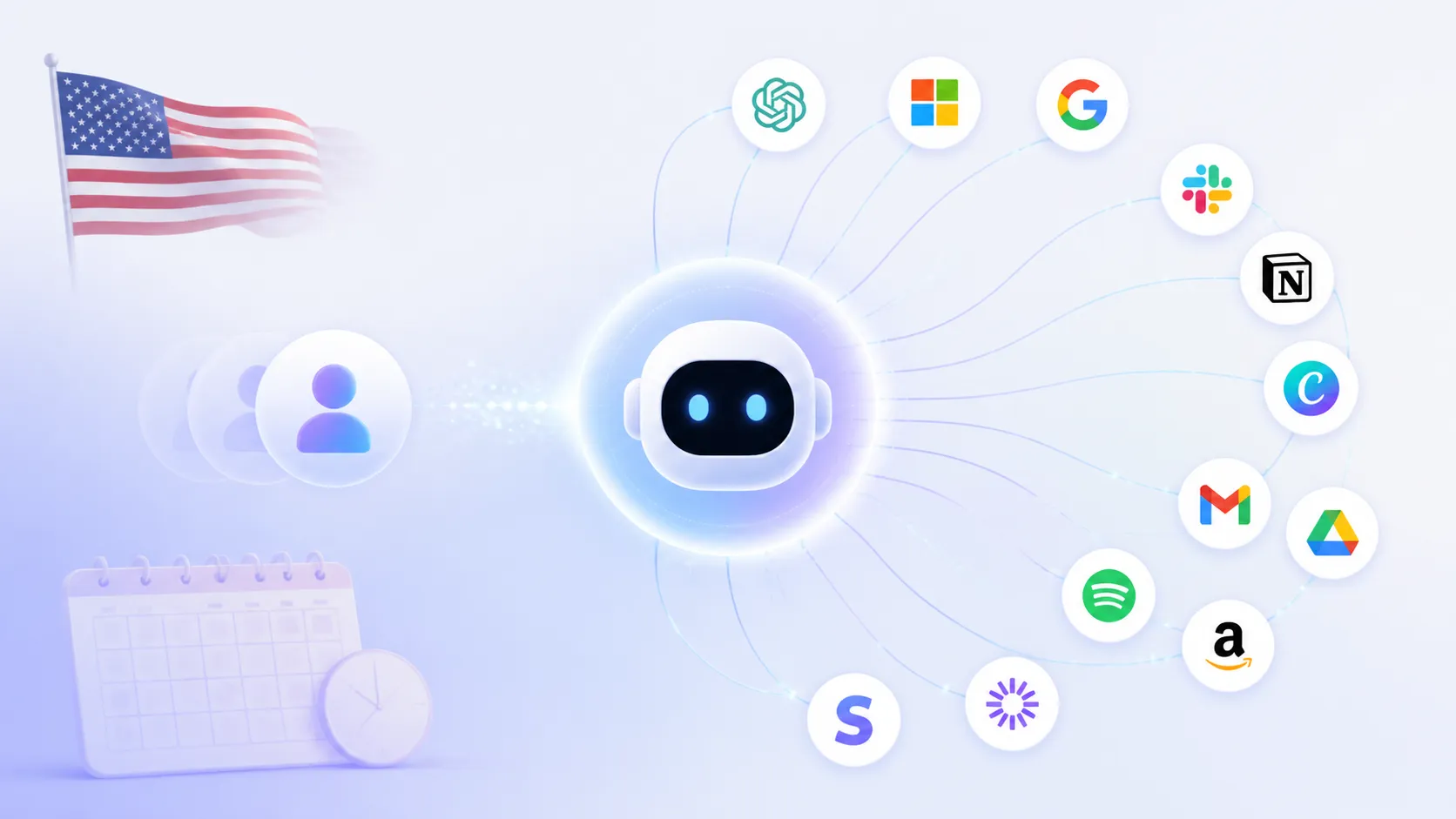
June 30, 2026, (Inside AI) — Award-winning tech journalist Joanna Stern spent an entire year handing over nearly every aspect of her life to artificial intelligence. She let AI drive her car, write her emails, choose her meals, interpret medical scans, and even serve as a romantic partner. The result is a new book, I Am Not a Robot: My Year Using AI to Do (Almost) Everything, out now.
Stern’s experiment was not a one-off stunt. From 2025 through 2026, she lived as a self-described “lab rat” to test how close the promised AI future really is. Her book blends traditional chapters, journal entries, Q&As, and original illustrations, organized seasonally to mirror her deepening immersion.
The project answers a pressing question: When AI seeps into every corner of daily life, what actually improves—and what falls apart?
The AI Zoo and a Jargon-Free Entry Point
Stern opens with a plain-language guide she calls the “AI Zoo.” She explains that AI is an umbrella term spanning simple prediction engines that curate social feeds to complex systems like self-driving cars. This foundation makes the book accessible even to those who have never heard of AI—a rarity, she jokes.
Read: Parenting is hard. Should we let AI do it for us?
Her tone stays light and jargon-free throughout. Complex topics like neural networks and training data are never allowed to feel heavy. Instead, Stern uses humor and puns to navigate the technical terrain, ensuring the book reads more like a personal journal than a dense tech manual.
Where AI Soared and Where It Stumbled
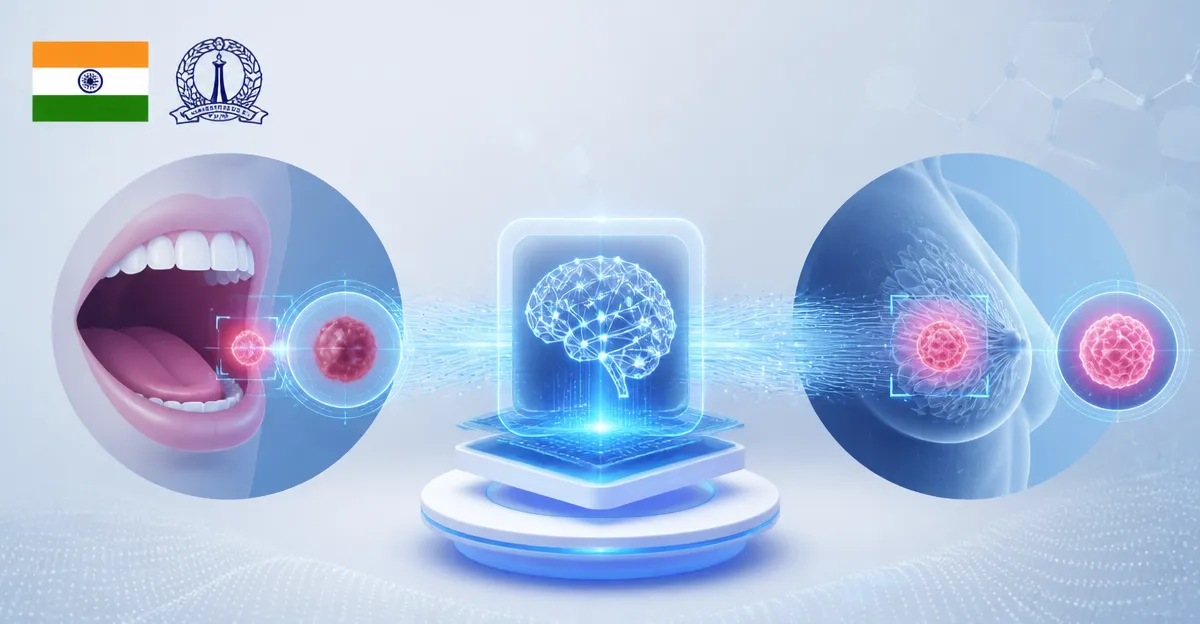
Stern’s findings cut against both utopian and alarmist narratives. She highlights moments where AI genuinely impressed: tools spotted subtle patterns in mammograms and dental scans that human eyes missed. With zero coding experience, she vibe-coded a simple game using AI assistance.
But failures were just as telling. When she let AI respond to personal texts and emails, it often missed nuance and emotional intimacy. She also caught AI confidently delivering wrong information—a phenomenon she stops short of calling lying.
Stern distills her year in one line:
“Machines [do] well [at] things humans find hard, while doing poorly what is easy for us.”
This asymmetry, she argues, is the central tension of living with AI. The technology excels at data-crunching and pattern recognition but stumbles on basic human connection and common sense.
Her balanced approach avoids both AI bashing and blind enthusiasm. She tests each tool, then decides whether to keep it or discard it—a pragmatic filter for readers curious about their own AI adoption.
Read: AI Personality Problem: Why Conversational Style Matters More Than Speed
The book’s occasional illustrations break up the text, adding a visual rhythm to her anecdotes. Stern’s narrative voice remains warm and self-deprecating, even when recounting awkward moments with her AI lover or the lawn-mowing robot.
For those seeking a technical deep dive, I Am Not a Robot may feel thin. But for readers simply curious about what an AI-saturated life looks like, Stern’s expedition offers a vivid, often funny preview. The fast pace of AI evolution means some examples may date quickly, yet the core human questions she raises will linger.