Category
Agentic AI
Covering the rise of autonomous systems capable of reasoning, planning, and executing multi-step tasks with minimal human intervention. From AI agents and tool-use frameworks to orchestration pipelines reshaping how work gets done.
-
 Agentic AISeptember 16, 2026
 -
 Agentic AISeptember 16, 2026
 -
 Agentic AISeptember 15, 2026
 -
 Agentic AISeptember 9, 2026
 -
 Agentic AISeptember 9, 2026
 -
 Agentic AISeptember 9, 2026
 -
 Agentic AISeptember 8, 2026
 -
 Agentic AISeptember 8, 2026
 -
 Agentic AISeptember 6, 2026
 -
 Agentic AISeptember 5, 2026
 -
 Agentic AISeptember 3, 2026
 -
 Agentic AISeptember 2, 2026
 -
 Agentic AISeptember 2, 2026
 -
 Agentic AIAugust 28, 2026
 -
 Agentic AIAugust 28, 2026
 -
 Agentic AIAugust 28, 2026
 -
 Agentic AIAugust 17, 2026
 -
 Agentic AIAugust 17, 2026
 -
 Agentic AIAugust 14, 2026
 -
 Agentic AIAugust 11, 2026
 -
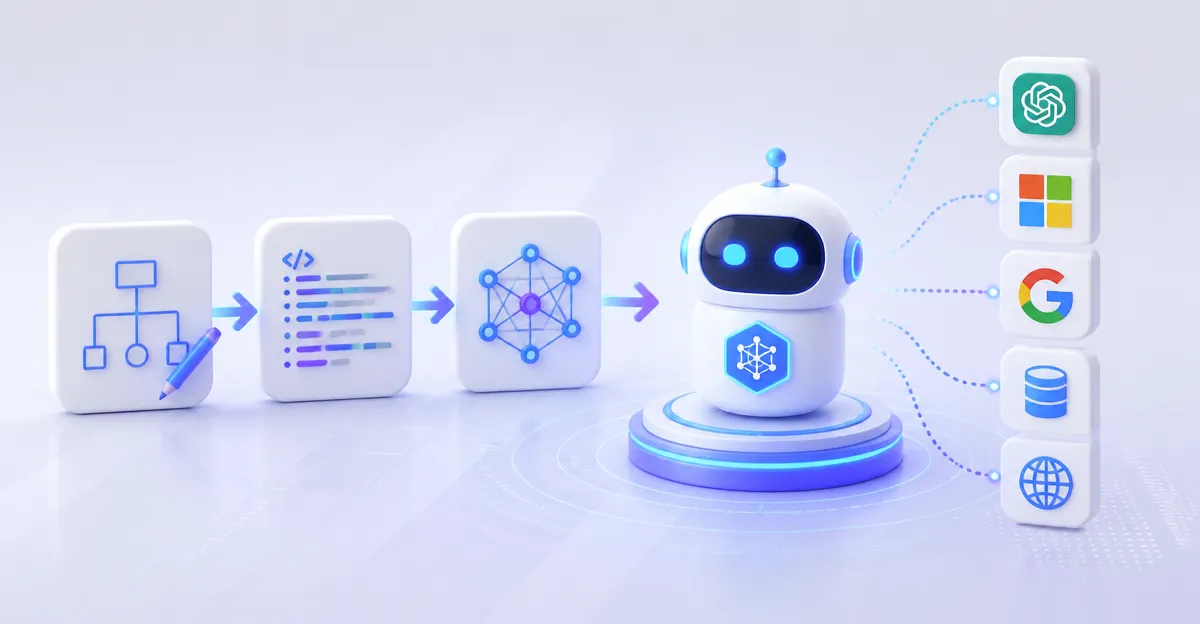 Agentic AIAugust 10, 2026
 -
 Agentic AIAugust 10, 2026
 -
 Agentic AIAugust 5, 2026
 -
 Agentic AIAugust 4, 2026
 -
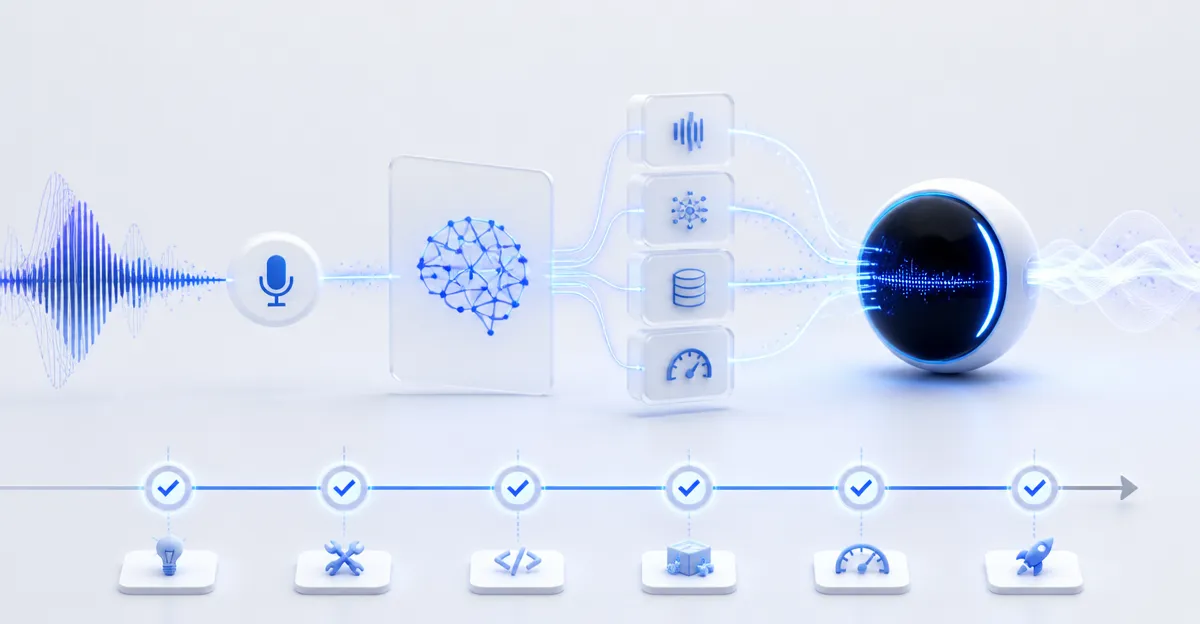 Agentic AIAugust 3, 2026
 -
 Agentic AIJuly 29, 2026
 -
 Agentic AIJuly 29, 2026
 -
 Agentic AIJuly 29, 2026
 -
 Agentic AIJuly 29, 2026
 -
 Agentic AIJuly 28, 2026