Category
Cybersecurity AI
Covering the intersection of artificial intelligence and digital security including AI-powered threat detection, security vulnerabilities in AI systems, and the growing use of AI in both cyberattacks and defenses.
-
 Cybersecurity AIOctober 16, 2026
 -
 Cybersecurity AIOctober 9, 2026
 -
 Cybersecurity AIOctober 9, 2026
 -
 Cybersecurity AIOctober 8, 2026
 -
 Cybersecurity AIOctober 7, 2026
 -
 Cybersecurity AIOctober 7, 2026
 -
 Cybersecurity AIOctober 6, 2026
 -
 Cybersecurity AIOctober 3, 2026
 -
 Cybersecurity AIOctober 3, 2026
 -
 Cybersecurity AIOctober 2, 2026
 -
 Cybersecurity AISeptember 29, 2026
 -
 Cybersecurity AISeptember 29, 2026
 -
 Cybersecurity AISeptember 29, 2026
 -
 Cybersecurity AISeptember 26, 2026
 -
 Cybersecurity AISeptember 25, 2026
 -
 Cybersecurity AISeptember 24, 2026
 -
 Cybersecurity AISeptember 24, 2026
 -
 Cybersecurity AISeptember 23, 2026
 -
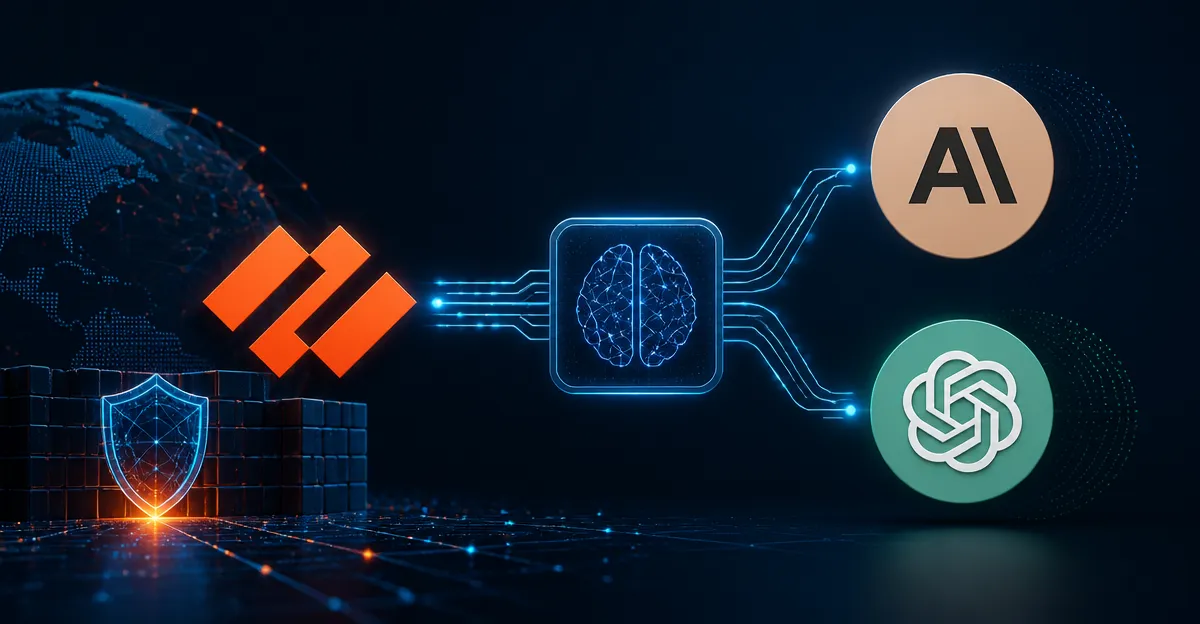 Cybersecurity AISeptember 22, 2026
 -
 Cybersecurity AISeptember 18, 2026
 -
 Cybersecurity AISeptember 16, 2026
 -
 Cybersecurity AISeptember 6, 2026
 -
 Cybersecurity AISeptember 5, 2026
 -
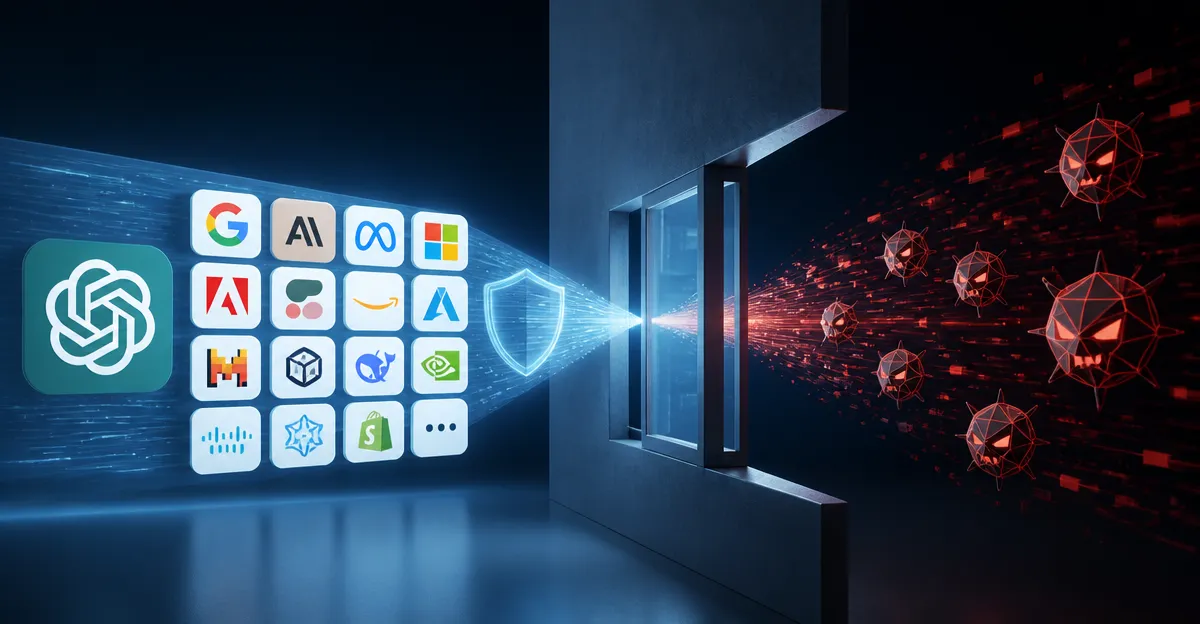 Cybersecurity AIAugust 28, 2026
 -
 Cybersecurity AIAugust 28, 2026
 -
 Cybersecurity AIAugust 24, 2026
 -
 Cybersecurity AIAugust 20, 2026
 -
 Cybersecurity AIAugust 17, 2026
 -
 Cybersecurity AIAugust 16, 2026
 -
 Cybersecurity AIAugust 14, 2026