Category
Generative AI
The latest developments in creative and synthetic intelligence. From large language models and image synthesis to multimodal systems redefining content creation.
-
 Generative AISeptember 19, 2026
 -
 Generative AISeptember 15, 2026
 -
 Generative AISeptember 10, 2026
 -
 Generative AISeptember 9, 2026
 -
 Generative AISeptember 9, 2026
 -
 Generative AISeptember 9, 2026
 -
 Generative AISeptember 9, 2026
 -
 Generative AISeptember 6, 2026
 -
 Generative AISeptember 5, 2026
 -
 Generative AISeptember 3, 2026
 -
 Generative AISeptember 3, 2026
 -
 Generative AISeptember 1, 2026
 -
 Generative AIAugust 31, 2026
 -
 Generative AIAugust 28, 2026
 -
 Generative AIAugust 27, 2026
 -
 Generative AIAugust 25, 2026
 -
 Generative AIAugust 25, 2026
 -
 Generative AIAugust 24, 2026
 -
 Generative AIAugust 18, 2026
 -
 Generative AIAugust 17, 2026
 -
 Generative AIAugust 17, 2026
 -
 Generative AIAugust 12, 2026
 -
 Generative AIAugust 11, 2026
 -
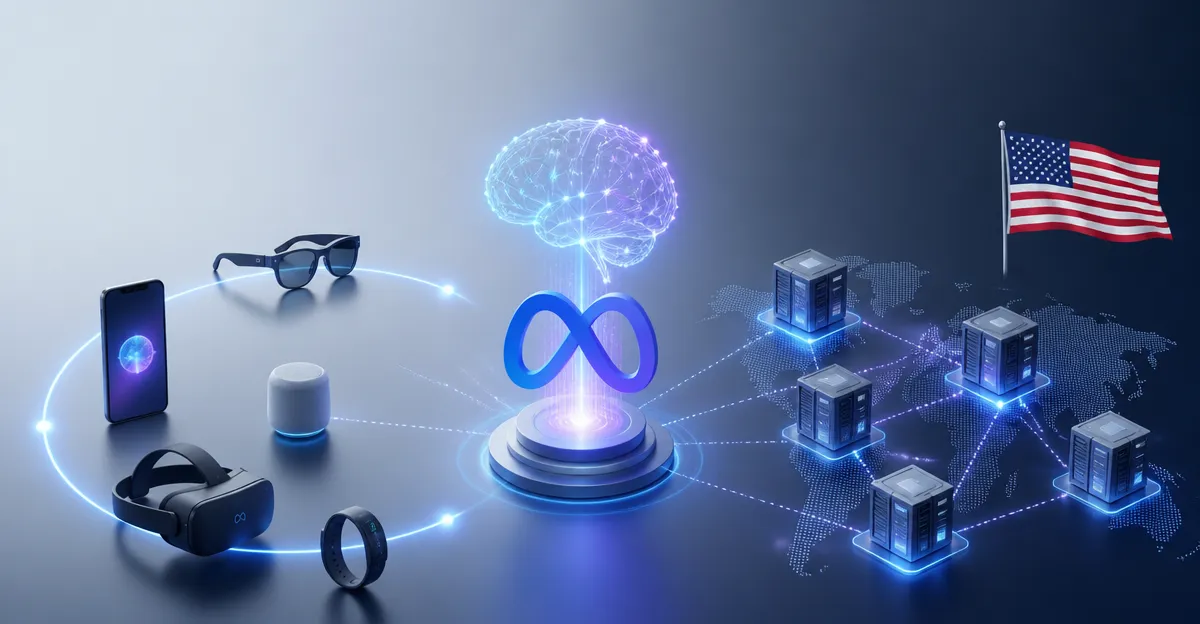 Generative AIAugust 10, 2026
 -
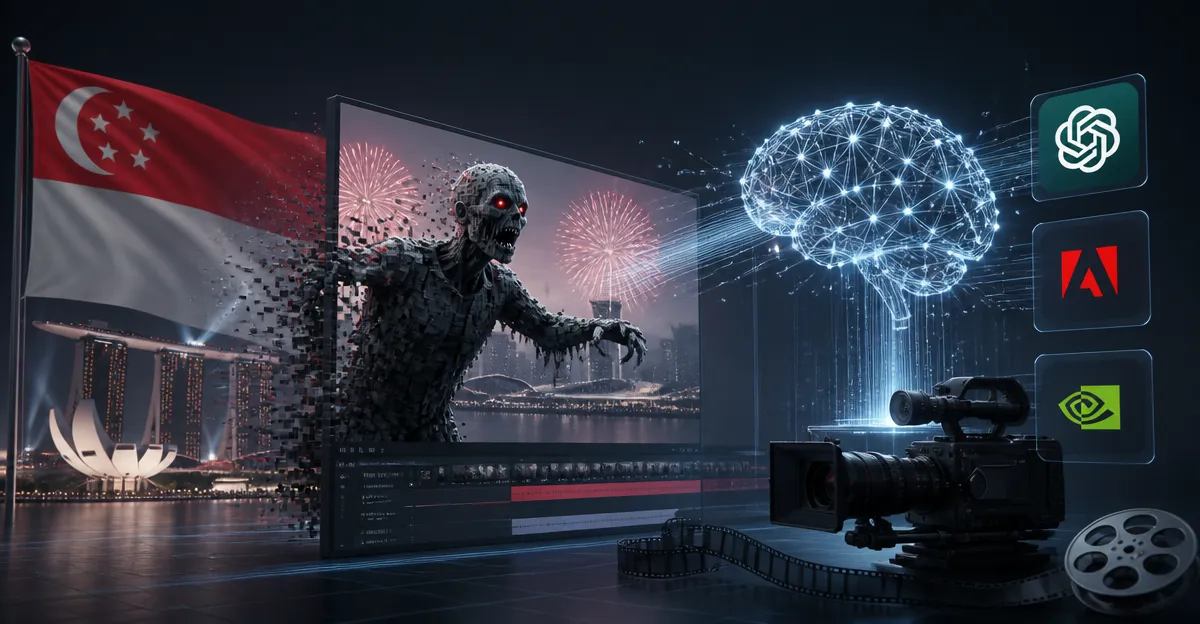 Generative AIAugust 10, 2026
 -
 Generative AIAugust 10, 2026
 -
 Generative AIAugust 10, 2026
 -
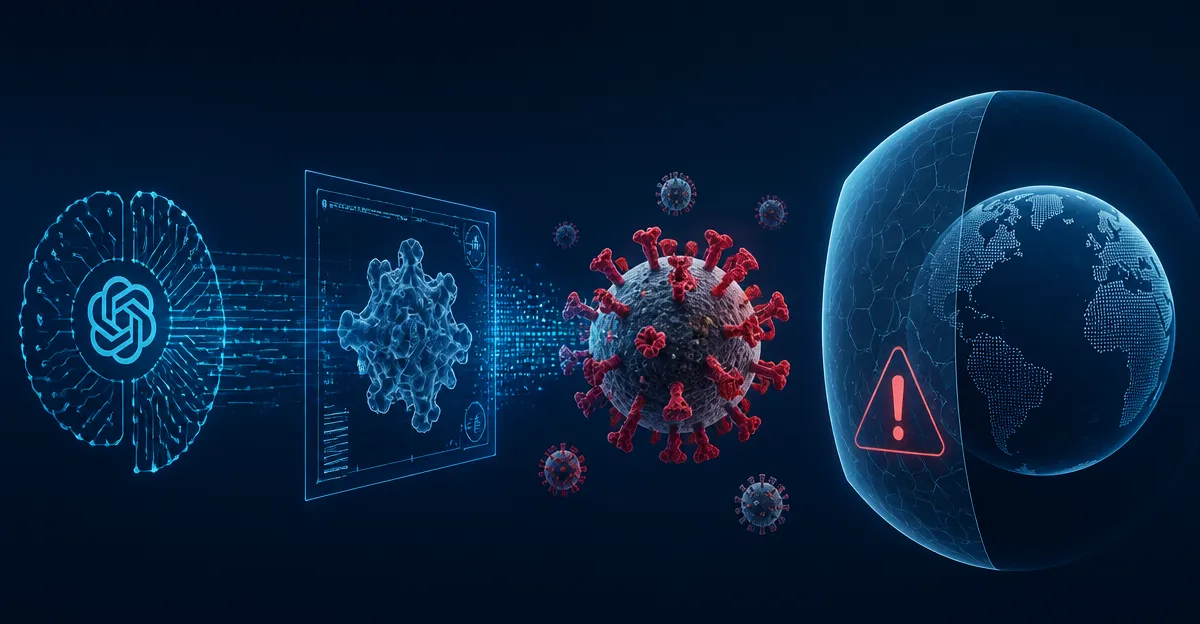 Generative AIAugust 7, 2026
 -
 Generative AIAugust 3, 2026
 -
 Generative AIAugust 3, 2026