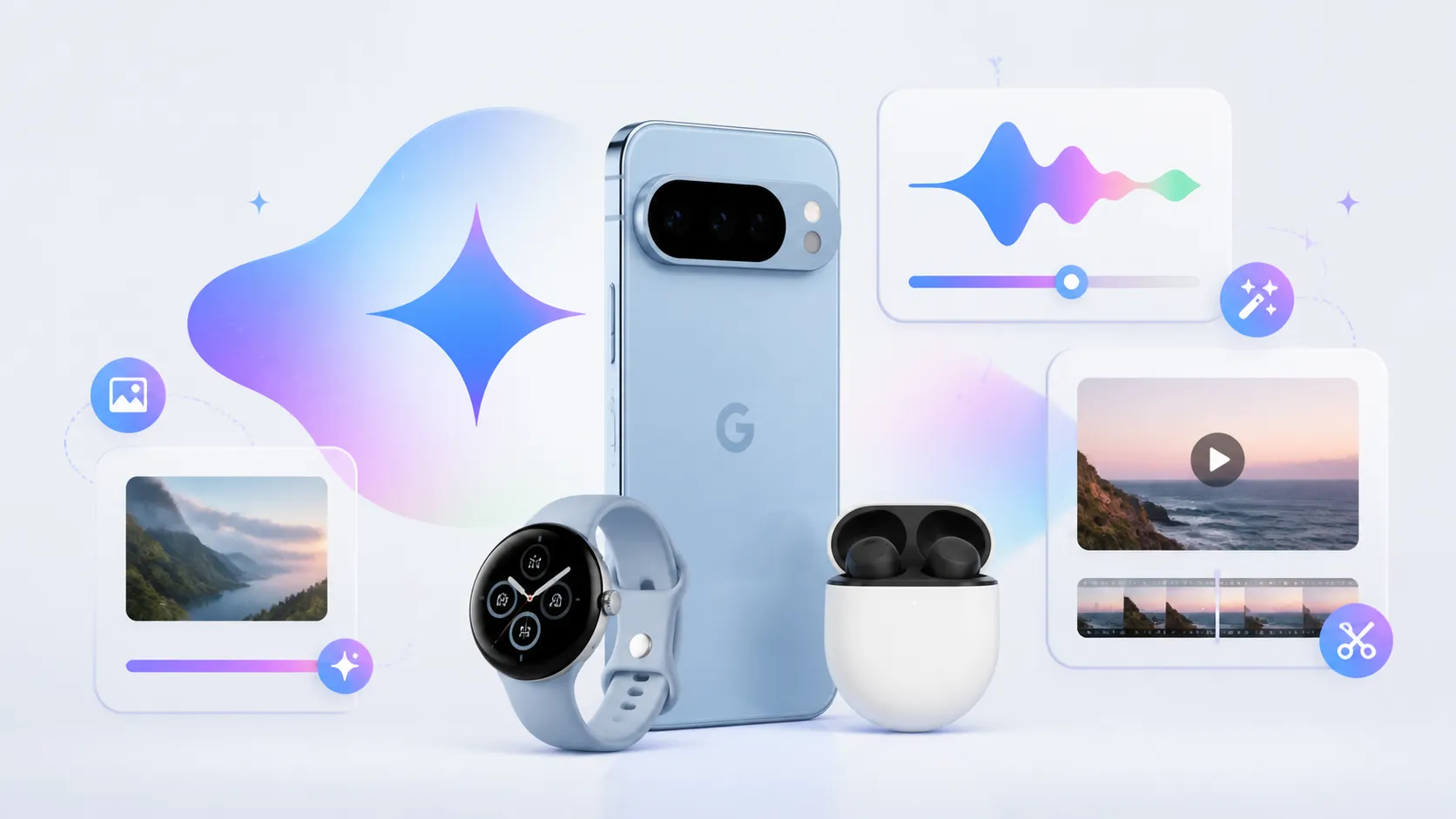
June 17, 2026, (Inside AI) — Google has launched its June Pixel Drop, a feature bundle that introduces Screen reactions, Gemini upgrades, and platform updates for Android 17 and Wear OS 7. The rollout begins today and will continue over the next few weeks.
What the Drop Delivers and Why It Matters
This drop aims to make Pixel devices more personalized and helpful. The headline feature is Screen reactions, a Pixel-first tool that embeds a selfie video directly into screen recordings. It eliminates the need for multiple apps when creating reaction clips or tutorials.
Google positions this as a creator-focused upgrade. The feature lets users control their on-screen presence in real time. This reflects a broader industry push to integrate content creation tools natively into mobile operating systems.
How Screen Reactions Works on Pixel
Screen reactions builds on Android’s screen recording API. Users swipe down twice on the Quick Settings menu, select the recording icon, and toggle “Show selfie camera.” The front-facing camera then captures reactions while the screen is recorded.
During recording, users can tap, drag, and resize the selfie overlay. This real-time control mimics a green screen effect without post-production. It supports “one-take” videos for social media and step-by-step tutorials.
Gemini’s Quiet but Critical Upgrades
The drop also includes Gemini upgrades, though details remain sparse. Historically, Pixel Drops have enhanced on-device AI for tasks like voice typing and photo editing. These upgrades likely improve Gemini’s speed or contextual awareness across apps.
Competing assistants from Apple and Samsung have focused on privacy-first, on-device processing. Google’s approach blends cloud and edge AI. The lack of specifics here may signal incremental rather than breakthrough changes.
Android 17 and Wear OS 7: Under the Hood
Android 17 arrives with this drop, but Google has not detailed its new features. Based on past releases, expect improvements in battery efficiency, notification management, and security. Wear OS 7 likely brings tighter integration with Pixel phones and health tracking upgrades.
Industry analyst Ming-Chi Kuo recently noted that wearable AI features are becoming a key battleground. Google’s move aligns with this trend, though the company must prove its updates go beyond catch-up with Apple’s watchOS.
What’s Missing and What’s Next
Google did not mention any hardware-specific AI features for the Pixel 10, expected later this year. The company also stayed silent on how Screen reactions handles privacy—does the selfie video remain on-device or get uploaded for processing?
Looking ahead, the July Android security bulletin may reveal more about Android 17’s architecture. For now, this drop reinforces Google’s strategy of using Pixel as a showcase for AI-driven, creator-friendly tools.