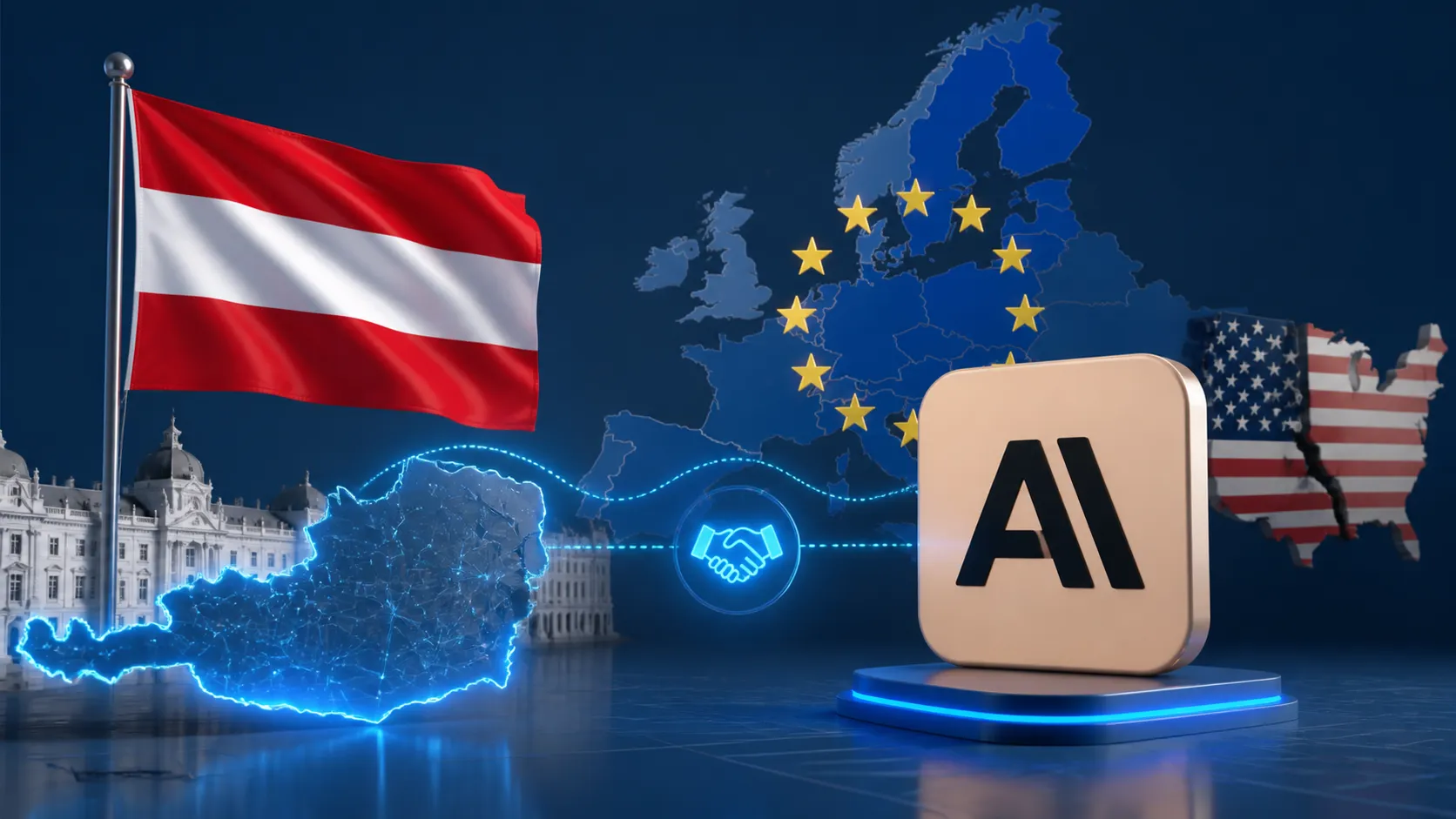
June 28, 2026, (Inside AI) — Austria is actively lobbying the European Union to host Anthropic’s AI system within its borders, a direct response to new U.S. restrictions that block foreign access to the company’s most advanced models. The move was first reported by Bloomberg News on Sunday, though Reuters could not immediately verify the details.
Austrian officials are framing the proposal as a strategic countermeasure to preserve European access to cutting-edge AI. The U.S. curbs, which emerged from national security reviews, threaten to wall off Anthropic’s frontier systems from international researchers and enterprises. By hosting the infrastructure locally, Austria aims to create a regulatory and technical safe harbor.
This diplomatic push underscores a deepening transatlantic rift over AI governance. While Washington tightens controls on model exports, European nations are scrambling to avoid dependency on American tech gatekeepers. Austria’s initiative could set a precedent for other EU members seeking sovereign AI capabilities.
Why Austria’s Gambit Matters for EU Tech Sovereignty
The U.S. restrictions target Anthropic’s most capable models, which are central to next-generation applications in healthcare, defense, and finance. Austria’s plan would involve hosting the AI system on EU soil, potentially under a special legal framework that satisfies both American security demands and European data protection laws.
Bloomberg’s report indicates that Austrian diplomats have already begun informal talks with EU commissioners. The goal is to position the bloc as a viable alternative to U.S.-controlled AI infrastructure. If successful, this could accelerate Europe’s push for digital autonomy, a long-stated priority for Brussels.
However, the path is fraught with legal and technical hurdles. Anthropic would need to navigate export controls, intellectual property risks, and the complexities of the EU’s AI Act. Critics argue that hosting a single company’s system does not equate to true sovereignty and may create new dependencies.
Competing Pressures Shape the AI Landscape
The Austrian proposal arrives amid broader global jostling for AI leadership. The U.S. has steadily expanded its list of restricted technologies, while China and the EU invest heavily in homegrown alternatives. Anthropic, founded by former OpenAI researchers, has positioned itself as a safety-focused rival to giants like Google and Microsoft.
Industry observers note that hosting deals often come with strings attached. “Any agreement would need to guarantee that European users are not second-class citizens in terms of model access and updates,” said a Brussels-based tech policy analyst who requested anonymity. The EU’s strict privacy rules could also clash with U.S. surveillance laws, complicating data flows.
For now, the talks remain preliminary. Neither Anthropic nor the Austrian government has issued official statements. Yet the mere prospect of a European AI hub for a major U.S. lab signals a shift in how nations view strategic technology assets.
As the EU weighs its options, the outcome could reshape the global AI supply chain. Smaller member states may follow Austria’s lead, fragmenting the market further. Meanwhile, U.S. policymakers face pressure to clarify whether such arrangements align with their containment strategy. The coming weeks will test whether diplomacy can bridge the growing divide over who controls the future of artificial intelligence.