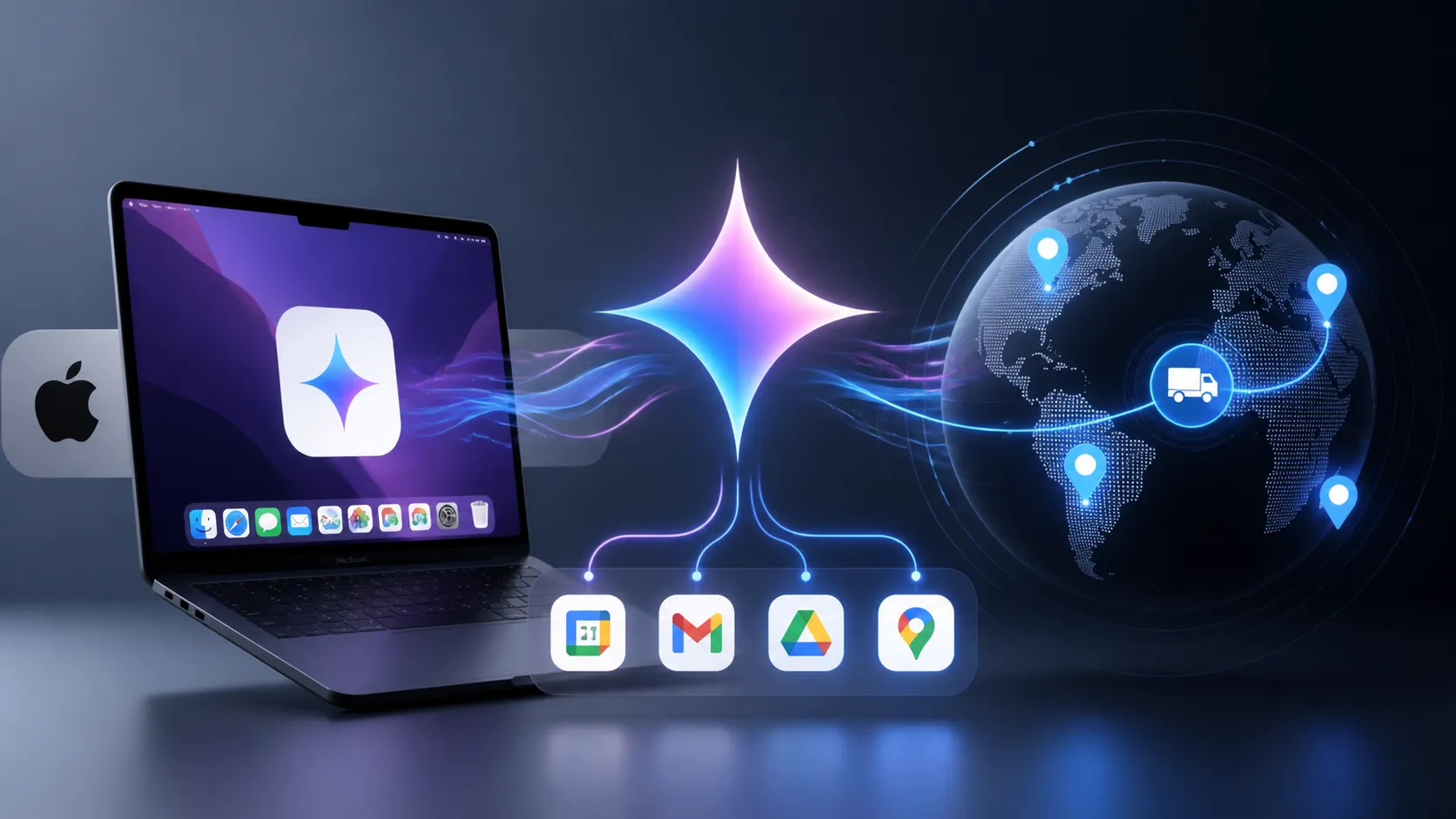
July 1, 2026, (Inside AI) — Google has released a major update to Gemini Spark, its autonomous AI agent, bringing it to macOS for the first time. The launch includes new app integrations and real-time topic tracking, expanding Spark’s reach beyond mobile and web.
Gemini Spark is an always-on agent designed to handle complex, multi-step tasks without constant user input. On macOS, it now operates outside a traditional chat window, directly interacting with desktop files and applications. Users can ask it to organize folders, generate spreadsheets from local documents, or schedule recurring workflows.
Google emphasized that Spark only accesses files users explicitly permit. This permission-based model is critical for privacy, especially as the agent gains deeper system access. The company also previewed a future remote execution feature: users could trigger actions on their Mac from a smartphone, such as fetching a file and emailing it, while the computer works unattended.
The macOS beta is available now for Google AI Ultra subscribers in the U.S., aged 18 and older. This geographic and subscription limitation signals a cautious rollout, likely to gather feedback before a wider launch.
App Integrations and Custom Protocols
Google is significantly expanding Spark’s connected app ecosystem. It now supports Google Tasks and Google Keep, letting users turn notes into actionable items. New third-party integrations include Canva, Dropbox, Instacart, OpenTable, and Zillow Rentals. These will roll out across web, mobile, and macOS in the coming weeks.
In a move to personalize automation, Google added support for custom Model Context Protocol (MCP) connections. This allows users to link external applications directly to Spark, tailoring workflows to individual needs. MCP is an emerging standard for AI-tool communication, and its inclusion hints at Google’s ambition to make Spark a central hub for diverse services.
Real-Time Monitoring and Notifications
Another key feature is real-time topic tracking. Users can instruct Spark to monitor blogs, news sites, social media, finance, shopping, weather, or sports. When a specified event occurs—like a stock price change or a breaking news alert—Spark delivers a notification. This transforms the agent from a reactive tool into a proactive assistant that keeps users informed without manual checking.
Google says these updates are rolling out now, with more developments expected later this summer. The company faces stiff competition from rivals like Anthropic, which recently unveiled Claude Sonnet 5 with improved performance and lower costs. Spark’s desktop integration and real-time tracking could differentiate it, but adoption will depend on reliability and privacy safeguards.
Industry observers note that autonomous agents raise questions about security and user control. Google’s permission-based access is a step forward, but remote execution could introduce new risks if not carefully managed. As AI agents become more embedded in daily workflows, the balance between convenience and safety will remain a central tension.