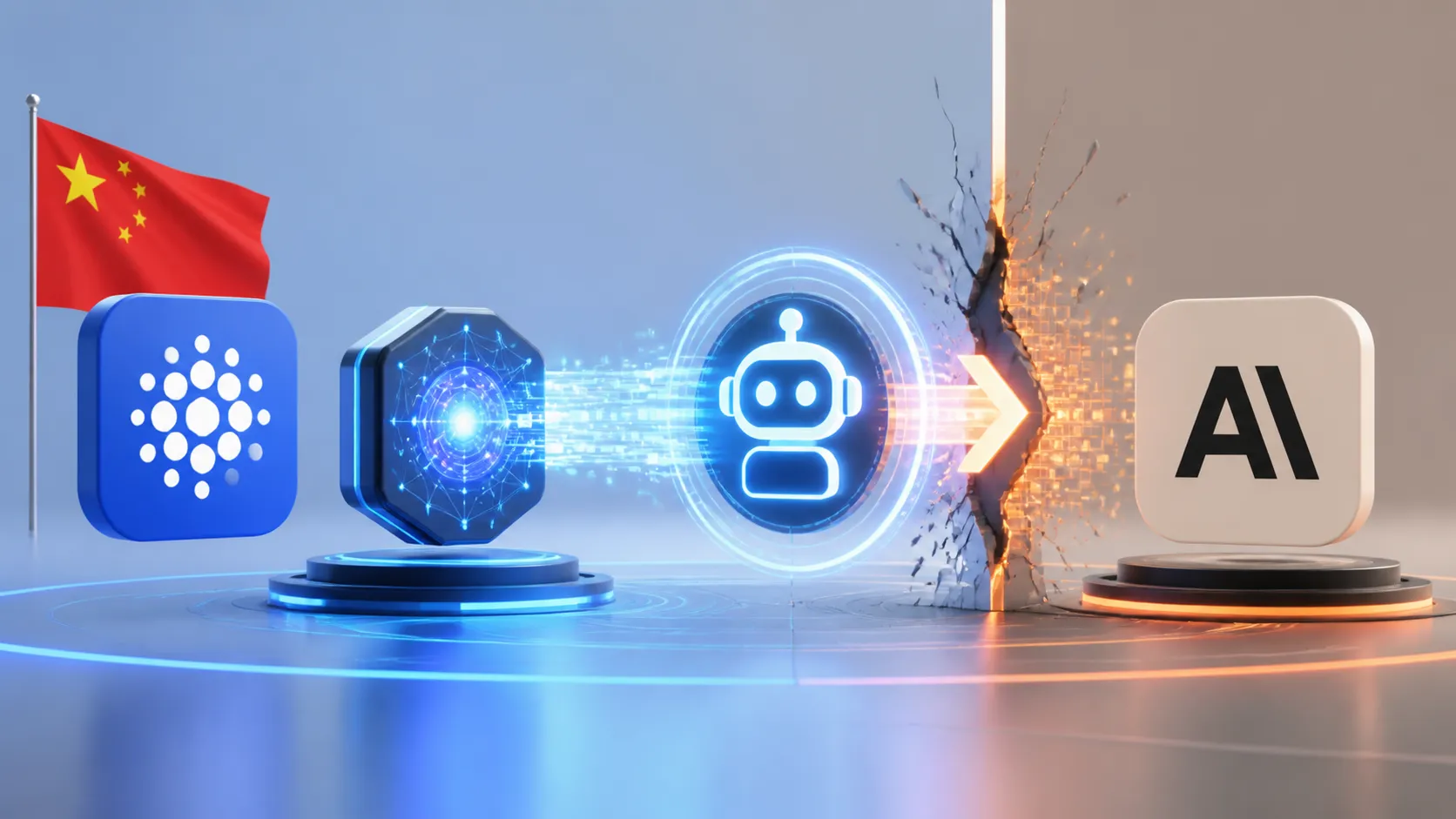
July 2, 2026, (Inside AI) — Zhipu AI, also known as Z.ai, has released a new harness tool that transforms its GLM-5.2 model into an autonomous AI agent, intensifying competition with Anthropic in the coding assistant market. The launch comes as Anthropic removes covert tracking code from Claude Code that monitored Chinese users.
The harness acts as a control system, enabling large language models to execute tasks independently. It marks a significant step in the agentic AI race, where automated coding platforms are a key battleground between Chinese and U.S. labs.
Zhipu announced promotions on Wednesday to attract developers. Existing subscribers get a 50% data quota increase, while new ZCode users receive 5 million free tokens. Tokens are the basic data units AI models process.
Zixuan Li, Zhipu’s head of global operations, posted on X Thursday: “Competition and collaboration are what push all of us forward.” Li added that ZCode was built “standing on the shoulders of an incredible open developer community.”
The move directly challenges Anthropic, whose Claude Code platform recently faced scrutiny. Reports revealed it covertly tracked Chinese users via hidden code. Anthropic has since removed it, but the incident highlights tensions in cross-border AI development.
Agentic coding tools are surging. They let developers automate complex tasks like code generation and debugging. Zhipu’s harness turns GLM-5.2 into an agent that can plan and execute multi-step workflows. This contrasts with simpler code completion tools.
Anthropic’s Claude Code offers similar capabilities. But the tracking controversy may dent trust. Chinese developers might now favor Zhipu, especially with its aggressive free token offer. The 5 million tokens are a significant lure for cost-conscious startups.
Zhipu’s strategy leans on open-source collaboration. Li’s reference to the developer community underscores this. The company has long positioned itself as a more accessible alternative to proprietary Western models. This harness release reinforces that narrative.
Industry analysts note a broader shift. AI labs are racing to offer end-to-end agentic solutions. Harnesses like Zhipu’s reduce the need for custom integration. They make it easier to deploy AI agents in production environments.
Anthropic has not commented on the tracking removal. But the episode raises questions about data practices. Chinese regulators have strict rules on cross-border data. Any hidden tracking could violate local laws, giving Zhipu a regulatory edge.
ZCode’s free tokens may lower entry barriers. Developers can experiment without upfront costs. This mirrors strategies by other Chinese AI firms like Baidu and Alibaba, which offer generous free tiers to build ecosystems.
The rivalry extends beyond coding. Both companies are vying for dominance in the broader agentic AI market. Zhipu’s GLM series competes with Anthropic’s Claude models. The harness adds a crucial layer for enterprise adoption.
Looking ahead, the agentic coding market is projected to grow rapidly. Tools that offer seamless autonomy will lead. Zhipu’s move could pressure Anthropic to respond with its own incentives. The battle for developer mindshare is just heating up.