August 31, 2026 (Inside AI) — Anthropic has clarified how usage limits work across its Claude AI assistant, moving away from fixed message counts toward a flexible system based on conversation complexity, model choice, and feature use. The company detailed its approach on its official plans and pricing page, outlining limits that reset on a rolling five-hour session window, with paid plans adding weekly caps on top.
All activity across Claude on web, desktop, mobile, and Claude Code draws from the same usage pool. This means a user’s available capacity is shared across platforms, not separate per device. The amount a user can do depends on the length and complexity of conversations, the model selected, and the features used. Anthropic states there is no fixed message count for any plan.
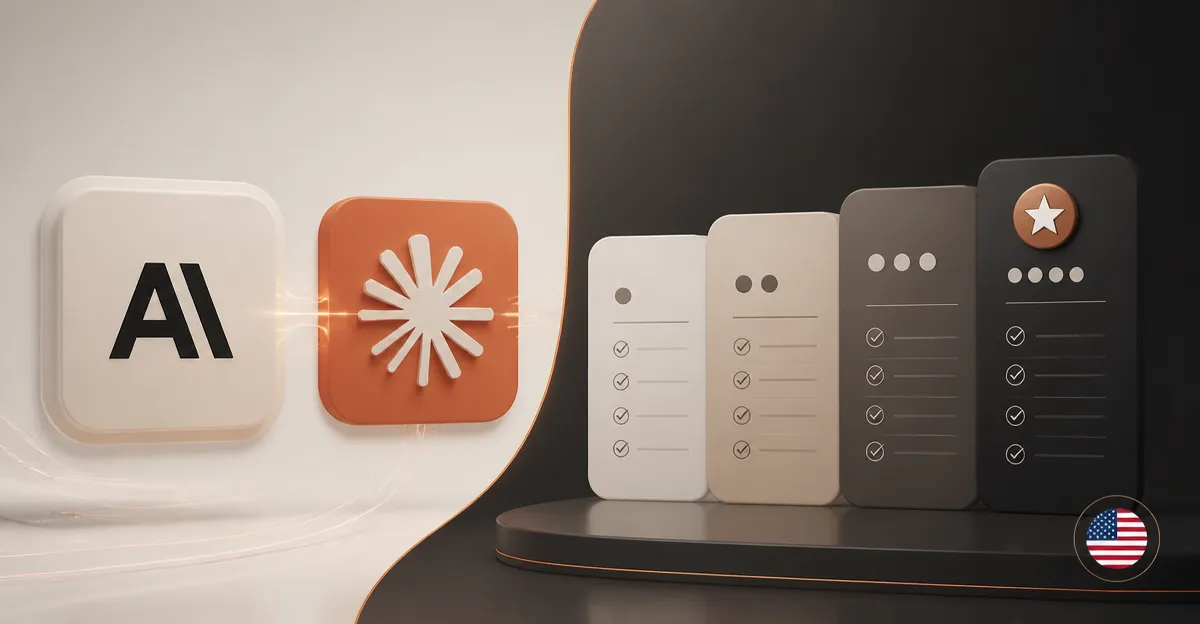
The tiered structure offers clear distinctions. The Free plan covers everyday questions. The Pro plan provides at least five times more usage per five-hour session than Free. The Max plan offers either five times or twenty times more usage per five-hour session than Pro, depending on the specific terms. On Team plans, Standard seats give more usage than Pro, and Premium seats provide five times more than Standard.
Anthropic also reserves the right to impose additional limits to manage capacity and ensure fair access. These may include weekly and monthly caps or restrictions on specific models and features, applied at the company’s discretion. This flexibility allows Anthropic to balance demand across its infrastructure while maintaining service quality for all users.
Read: OpenAI Launches $125/Month Premium Seats for ChatGPT Business
When a user reaches a limit, they have three options: wait for the limit to reset, move to a higher plan, or, on paid plans, turn on usage credits to continue working at standard API rates. This credit system offers a pay-as-you-go escape valve for heavy users who hit their session or weekly caps but need to keep working without upgrading their base plan.
Users can monitor their current usage at any time by navigating to Settings > Usage within the Claude interface. This transparency feature lets individuals track their consumption in real time, helping them decide whether to adjust their behavior or upgrade their plan.
Why Anthropic Ditched Fixed Message Counts
Anthropic’s shift away from fixed message counts reflects a broader industry trend toward usage-based pricing for AI assistants. Competitors like OpenAI and Google have also moved toward token-based or compute-based limits, recognizing that a short factual query consumes far fewer resources than a lengthy coding session or a complex reasoning task. By tying limits to session windows and conversation complexity, Anthropic aligns pricing with actual computational cost.
The rolling five-hour session window is a notable design choice. It prevents users from exhausting a monthly quota in a single burst while allowing heavy users to regain capacity relatively quickly. However, the lack of a fixed message count can make it harder for users to predict exactly when they will hit a limit, a trade-off Anthropic appears willing to accept in favor of fairness and system stability.
For enterprise customers on Team plans, the distinction between Standard and Premium seats adds another layer of flexibility. Premium seats offering five times the usage of Standard seats suggests Anthropic is targeting power users and developers who need sustained access for tasks like code generation or data analysis, while Standard seats cater to more occasional business users.
The Credit System as a Safety Valve
The introduction of usage credits on paid plans is a pragmatic solution to a common frustration: hitting a hard limit mid-project. By allowing users to continue working at standard API rates, Anthropic effectively blurs the line between subscription and consumption-based pricing. This hybrid model could appeal to professionals who occasionally exceed their plan but do not want to commit to a higher monthly fee.
Read: Atlassian Caps Employee AI Spend at $2,000 Monthly Amid Tokenmaxxing Trend
Anthropic’s discretion to impose additional weekly or monthly caps may draw scrutiny from users who prefer predictable limits. The company frames these caps as necessary for fair access, but the lack of specific thresholds in the public documentation leaves some ambiguity. Users seeking precise numbers may need to consult their account settings or contact support for details relevant to their plan.
The unified usage pool across web, desktop, mobile, and Claude Code is a significant operational detail. It means a user who exhausts their session limit on the mobile app cannot simply switch to the desktop version to continue. This cross-platform consistency prevents gaming of the system and ensures that limits are enforced uniformly, but it also requires users to plan their work across devices more carefully.
As AI assistants become more deeply integrated into daily workflows, pricing transparency and predictability will likely become competitive differentiators. Anthropic’s approach, while flexible, places a burden on users to understand their own consumption patterns. The Settings > Usage dashboard is a step toward transparency, but the absence of fixed message counts may still frustrate users who prefer simple, predictable quotas.