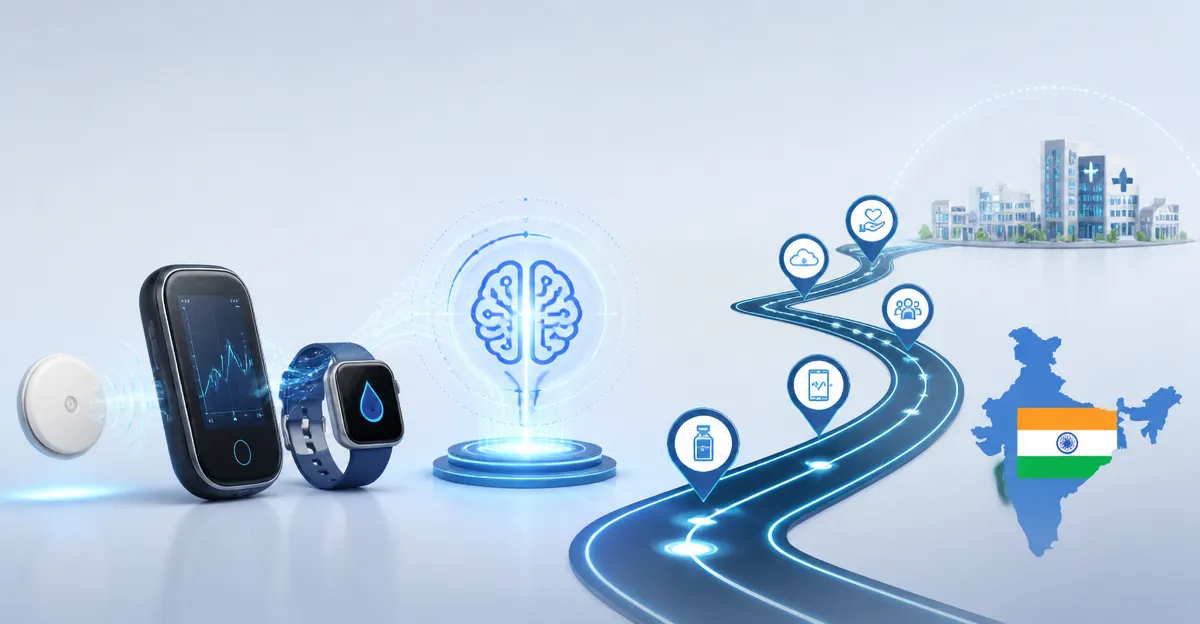
November 17, 2026, (Inside AI) — A new consensus statement from the Research Society for the Study of Diabetes in India (RSSDI) lays out 45 recommendations for using diabetes technology across the country, from continuous glucose monitors to automated insulin delivery and AI-driven analytics. Published in the International Journal of Diabetes in Developing Countries, the guidance arrives as device costs remain high and access uneven, particularly in rural areas. The document calls for making these tools affordable, clinically validated, and supported by proper education.
The stakes are significant. India has over 100 million people with diabetes, according to the International Diabetes Federation, and many struggle to manage glucose levels between infrequent clinic visits. Technology that tracks glucose continuously could fill that gap, but only if patients and doctors can afford it and interpret the data correctly. The RSSDI consensus attempts to bridge that divide with practical recommendations.
Why Continuous Monitoring Changes the Game
Traditional finger-prick tests capture a single moment. A continuous glucose monitor (CGM) uses a small sensor worn on the body to measure glucose in interstitial fluid every few minutes, revealing patterns that isolated readings miss. For someone with type 1 diabetes, this can mean catching nighttime lows or post-meal spikes that would otherwise go unnoticed. The RSSDI panel recommends starting CGM as soon as possible after a type 1 diagnosis, wherever affordable. It also identifies automated insulin delivery (AID) as the standard of care. These systems combine a sensor, an insulin pump, and an algorithm to adjust insulin automatically.
"The central message is both practical and important: diabetes technology should not be viewed as a luxury gadget or a fashionable addition to treatment. It should be an effective clinical tool, selected according to individual needs, supported by proper education and made affordable to those who need it," says Dr Jothydev Kesavadev, the Kerala-based research diabetologist and first author of the consensus.
Read: Australia AI Safety Regulator
For type 2 diabetes, the guidance is more selective. CGM is recommended for those whose glucose remains above target, who face risks of dangerously low glucose, or who need to understand how food, exercise, and medication affect their readings. "The objective is to identify patterns and make informed treatment or lifestyle changes, not to make patients anxious about every fluctuation," Dr Jothydev adds.
The consensus also stresses that doctors must be trained to interpret the data. It recommends using the Ambulatory Glucose Profile (AGP), a standardized report that shows time in range, variability, and long-term control. Finger-prick testing remains necessary when symptoms don't match sensor readings or accuracy is in doubt.
The Affordability Barrier That Won't Budge
Cost remains the biggest obstacle. The consensus cites indicative Indian retail prices from September 2026: ₹493 to ₹1,199 for 50 conventional glucose strips, compared with ₹3,100 to ₹5,138 for a CGM sensor lasting 14-15 days. Continuous monitoring could cost ₹6,200 to ₹11,000 per month for sensors alone. For many families, that is out of reach. "We have even pushed for more Make In India subsidies, insurance coverage, negotiated procurement and sustainable financing so that access to technology is determined by medical need rather than ability to pay," says Dr Jothydev. Where advanced devices are unaffordable, lower-cost alternatives should remain available, though they may not offer equivalent benefits.
My journalistic insight: The RSSDI's push for subsidies and insurance coverage faces a hard reality. India's public health spending remains low, and insurance penetration for diabetes technology is minimal. Without government mandates or corporate partnerships, these recommendations may struggle to move beyond urban clinics. The consensus does not specify timelines or funding mechanisms, leaving implementation uncertain.
To extend technology beyond cities, the consensus explores involving trained community health workers, including ASHAs and ANMs, in helping rural patients upload glucose reports for remote specialist review. "Such a model could reduce travel and improve access to expert advice," Dr Jothydev says. "We have even asked for these to be available at the primary health centre level and training ASHA workers in technology."
On smart devices and AI, the panel urges caution. It warns against relying on consumer smartwatches or fitness trackers claiming to measure blood glucose without clinical validation and regulatory approval. AI applications may eventually help identify patterns and personalize treatment, but they require validation, data privacy safeguards, and human oversight.
Read: AI Incident Reporting Rules
"Doctors must remain accountable for treatment decisions but technology will help in management of diabetes, which could fall through the cracks despite physical consultation, which may happen once a month or even longer," Dr Jothydev notes.
The consensus also emphasizes that users must understand alerts, glucose trends, insulin management, sick-day precautions, and device failure protocols. Backup insulin and glucose-testing arrangements remain essential. As diabetes technology evolves, the RSSDI's recommendations offer a roadmap, but the journey depends on affordability, education, and infrastructure. Without those, the promise of better care will remain out of reach for many.

Sofia spent years studying how machines parse human language before pivoting to cover the systems now rewriting it. She reads technical papers the way others read news and looking for what the numbers are actually saying beneath the headlines.