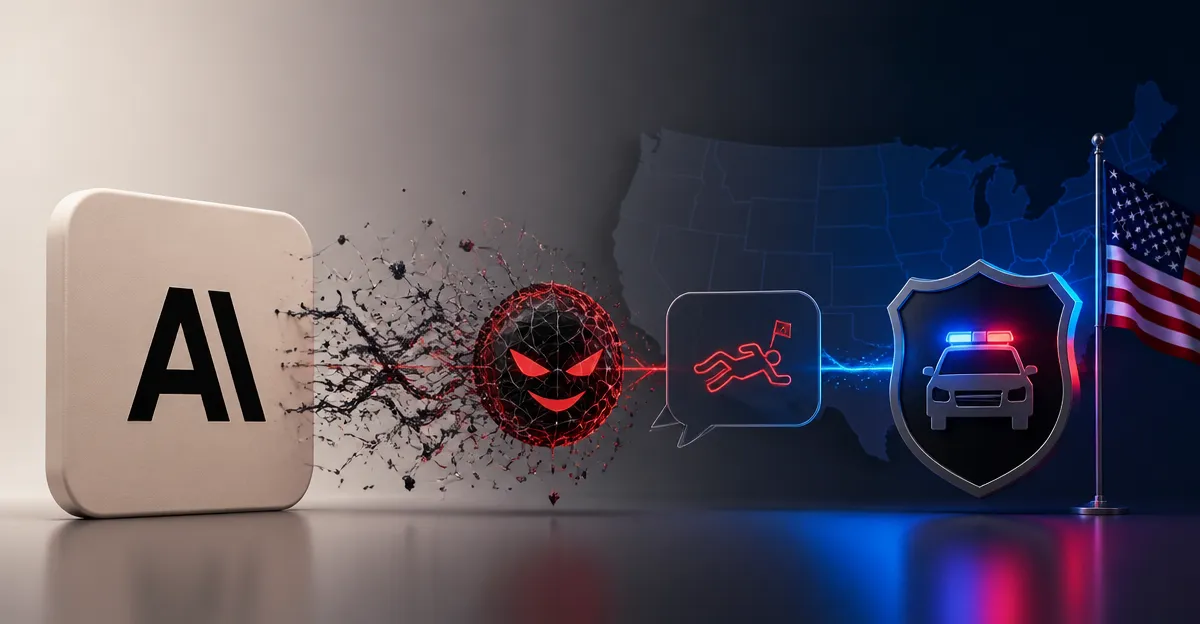
June 27, 2026, (Inside AI) — The US government has partially reversed its suspension of Anthropic’s Claude Mythos 5, granting access to over 100 vetted US organizations. The move comes two weeks after Washington blocked the model’s release over fears it could supercharge cyberattacks by foreign adversaries.
The decision, confirmed by a source familiar with the directive, allows a select group of Fortune 500 companies and institutions to deploy the frontier AI system. The source, who declined to be named due to the matter’s sensitivity, said the approved entities are considered “trusted” partners under new national security guidelines.
Anthropic’s Mythos 5 is among the most capable AI models ever built, with advanced reasoning and code generation abilities that officials worry could be weaponized by military intelligence in China, Russia, or other nations of concern. The Trump administration has responded with aggressive oversight of frontier model releases from both Anthropic and rival OpenAI.
OpenAI disclosed on Friday that it was delaying the full public launch of GPT-5.6 at the government’s request. Access to that model is now limited to a small group of vetted partners whose details were shared with US authorities. The parallel moves signal a new era of federal intervention in AI deployment.
The partial reversal highlights a tension between innovation and security. While the initial ban aimed to prevent misuse, the updated directive acknowledges that some US firms need cutting-edge AI to compete globally. The White House has not publicly detailed the criteria for “trusted” status, but sources suggest it involves rigorous vetting of data handling, cybersecurity posture, and foreign ties.
Critics argue the approach creates an uneven playing field. Smaller startups and researchers without political connections may be locked out, concentrating power among a few large corporations. Others warn that restricting access could push dangerous development underground or overseas, where US oversight doesn’t reach.
Anthropic has not commented on the specific terms of the new directive. In previous statements, the company emphasized its commitment to safety and said it would comply with all government orders. The Mythos 5 model itself includes built-in safeguards, but experts say those can be circumvented by skilled adversaries.
The government’s action reflects a broader shift in AI policy. Earlier this year, an executive order established the AI Security Review Board, which now has authority to block or conditionally approve releases of models above a certain capability threshold. That board reportedly recommended the initial suspension and the subsequent partial approval.
Industry observers note that the US is walking a fine line. Overly restrictive policies could cede AI leadership to China, which is investing heavily in its own frontier models. Yet lax controls could enable catastrophic cyberattacks. The current compromise may become a template for future releases, with a tiered access system based on trust levels.
The list of approved organizations has not been made public, but it is expected to include defense contractors, financial institutions, and critical infrastructure operators. These sectors are prime targets for state-sponsored hacking and could benefit from AI-powered defense tools.
Meanwhile, the broader AI community is watching closely. Researchers fear that secretive vetting processes could stifle scientific collaboration. Some have called for transparent standards and independent audits to ensure fairness. Congress is also weighing legislation that would codify such oversight into law.
As the situation evolves, one thing is clear: the era of unrestricted AI releases is over. The US government is now a gatekeeper, and companies must navigate a complex web of security requirements to bring their most powerful creations to market.