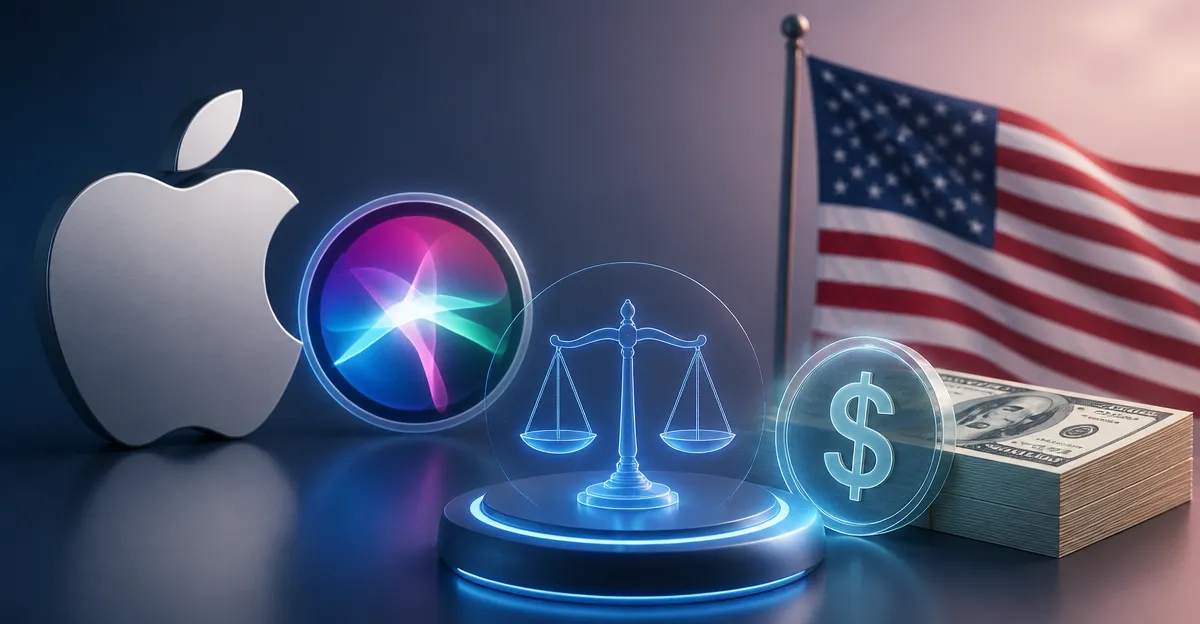
July 11, 2026, (Inside AI) — A California judge has yet to rule on preliminary approval for Apple’s $250 million settlement over delayed Siri features, leaving eligible iPhone owners in limbo. The hearing occurred this week, but no decision means claim forms are still unavailable.
The case stems from Apple’s 2024 developer conference preview of an Apple Intelligence-powered Siri, which was heavily promoted during the iPhone 16 launch. The personalized assistant never shipped on time, leading to a March 2025 delay and accusations of false advertising.
Apple agreed to the settlement without admitting wrongdoing. Payouts start at $25 per device but could reach $95 if few claims are filed. Eligibility requires U.S. residency and purchase of an iPhone 15 Pro, 15 Pro Max, or any iPhone 16 model between June 10, 2024 and March 29, 2025.
No official settlement website has launched. Once approved, email notices will go out within 45 days, but payouts likely won’t arrive until late 2026 or early 2027. This timeline mirrors other tech class actions, where administrative hurdles often delay compensation.
Read: Apple's Core AI Lets iPhones Run 70B Language Models Locally
Apple finally unveiled the revamped “Siri AI” at its 2026 developer conference, set to arrive with iOS 27 this September. The feature that sparked the lawsuit is now real, roughly a year late. The settlement only covers U.S. residents, so international buyers, including those in Pakistan, won’t qualify.
The Broken Promise That Triggered a Class Action
The lawsuit, filed in the U.S. District Court for the Northern District of California, consolidated multiple consumer complaints. Plaintiffs argued that Apple’s marketing created a reasonable expectation of immediate Siri intelligence, which the company failed to meet. Legal experts note that false advertising claims hinge on whether a “reasonable consumer” would be deceived.
Apple’s 2024 Worldwide Developers Conference showcased Siri’s ability to understand personal context and take in-app actions. These features were central to iPhone 16 advertisements. When the delay was announced, Apple cited quality concerns, but the damage was done. The settlement class period closes on March 29, 2025, the day Apple publicly acknowledged the postponement.
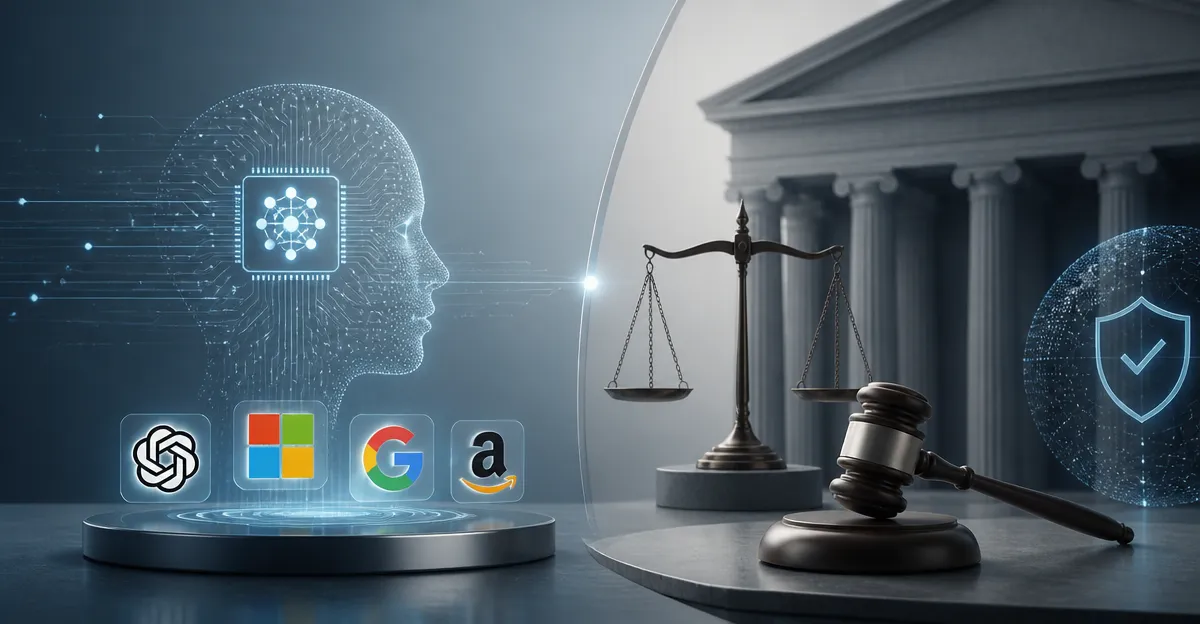
Judge Edward J. Davila is presiding. Preliminary approval is a critical step that assesses whether the settlement is fair, reasonable, and adequate. His delay may signal scrutiny over the payout structure or notice plan. In similar cases, judges have questioned whether per-device caps truly compensate consumers.
“The court’s silence this week is not unusual,” said Professor Brian Fitzpatrick, a class action expert at Vanderbilt Law School. “Judges often take weeks to issue a written order after a hearing, especially in high-profile tech settlements.”
Why the Siri Delay Matters Beyond the Lawsuit
Apple’s stumble with Siri highlights broader challenges in AI deployment. Competitors like Google and Samsung have also faced criticism for overpromising AI capabilities. The incident underscores a growing tension between marketing hype and engineering reality in the race for AI supremacy.
Read: Google Gemini 3.5 Pro Launch Delayed Over Coding Shortfalls
Industry analyst Carolina Milanesi of Creative Strategies noted, “Apple’s brand is built on ‘it just works.’ When a core feature like Siri misses a deadline by a year, it erodes trust that takes years to rebuild.” The settlement, while small per user, serves as a reputational penalty.
For consumers, the revamped Siri AI in iOS 27 promises on-device processing and deeper app integration. Early beta testers report significant improvements, but the delayed rollout left a gap that rivals exploited. The lawsuit’s resolution may set a precedent for how courts treat AI feature delays as false advertising.
As the wait continues, potential claimants should monitor the official settlement website, expected at www.SiriSettlement.com. No action is needed now, but proof of purchase will be required. The final approval hearing is likely months away, pushing any payouts into next year.