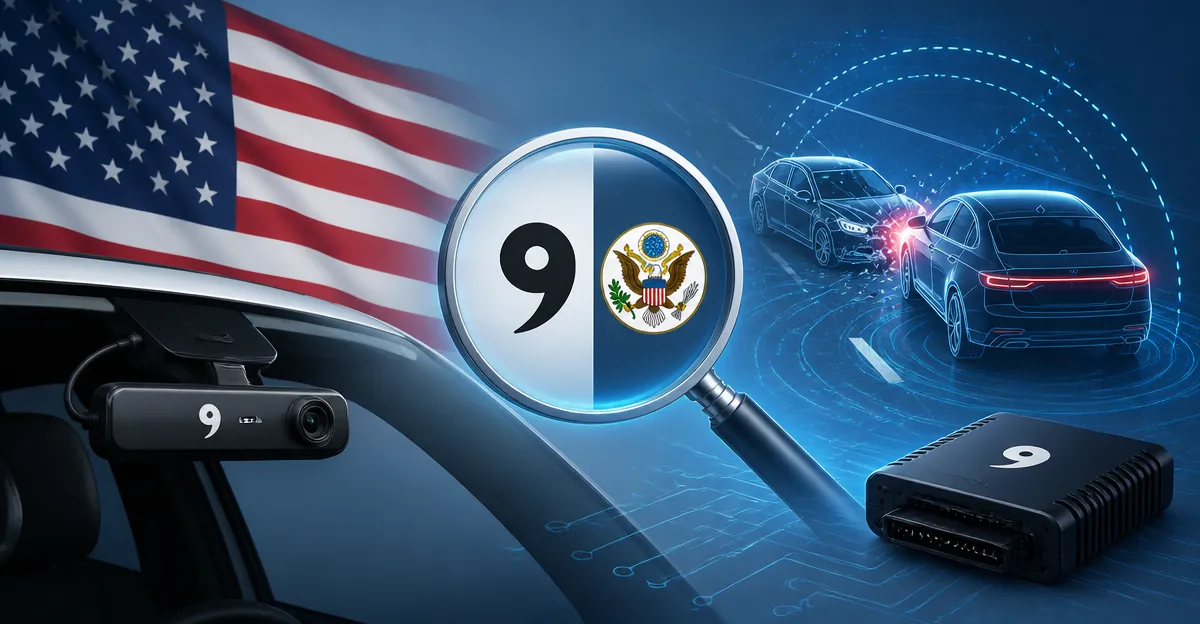
September 23, 2026, (Inside AI) — The National Highway Traffic Safety Administration (NHTSA) has opened a formal investigation into the aftermarket driver-assistance devices sold by startup Comma.AI, following reports of five crashes involving three deaths and 11 serious injuries.
The agency said the crashes involved vehicles equipped with Comma.AI devices that struck stopped or slow-moving vehicles. The investigation, announced Wednesday, marks a significant escalation in regulatory scrutiny for the open-source driving software ecosystem.
Comma.AI, which sells aftermarket devices that enable hands-free driving capabilities, claims its technology has been used across more than 30,000 vehicles, logging 402 million miles. The company's approach relies on open-source software, a model that has attracted a dedicated community of developers and users but also raised questions about oversight and liability.
NHTSA's probe will examine whether the devices, which are installed by vehicle owners rather than automakers, meet federal safety standards. The agency has not yet determined the cause of the crashes or whether the devices malfunctioned. The investigation is in its preliminary stage.
Read: California Governor Issues Executive Order on AI Safety
The crashes all involved vehicles striking stopped or slow-moving traffic, a scenario that has proven challenging for advanced driver-assistance systems (ADAS) across the industry. Tesla's Autopilot, for example, has faced similar scrutiny for crashes involving stationary emergency vehicles and other stopped objects. The National Transportation Safety Board has repeatedly highlighted the limitations of camera-based and radar-based systems in detecting stationary objects at highway speeds.
Comma.AI's devices differ from factory-installed systems because they are retrofitted by consumers. That distinction could complicate the regulatory picture. NHTSA has authority over motor vehicle equipment, but aftermarket modifications often fall into a gray area. The agency can investigate defects, but enforcement against individual users or small startups is rare.
The company has not issued a public statement in response to the investigation. Its website describes its product as a "driver assistance system" that requires an attentive driver. However, marketing materials and user forums often emphasize hands-free operation, which could attract regulatory attention.
"NHTSA is investigating reports of crashes involving Comma.AI devices," an agency spokesperson said. "We will take action if we find evidence of a safety defect."
The investigation comes as federal regulators ramp up oversight of automated driving features. In recent years, NHTSA has ordered recalls from Tesla and investigated numerous crashes involving ADAS. The agency has also proposed new rules requiring automakers to report crash data for vehicles equipped with automated systems.
Comma.AI's open-source model means its software is continuously updated by contributors. That could make it difficult to pinpoint the exact version of software involved in each crash. The company's founder, George Hotz, has previously criticized regulatory hurdles and advocated for a more permissive approach to self-driving development.
Read: Senator Mark Warner Urges Congress to Pass AI Safety Legislation by Year-End
The outcome of the NHTSA probe could have implications beyond Comma.AI. It may set a precedent for how the agency regulates aftermarket automation kits, a growing market that includes products from companies like Openpilot and others. The investigation also raises questions about the safety claims of open-source driving systems, which lack the rigorous testing and validation of factory systems.
As of now, NHTSA has not issued a recall request or forced Comma.AI to suspend sales. The investigation is ongoing, and the agency has not released a timeline for its findings. The crashes under investigation occurred in various states, though NHTSA did not specify which ones.
For now, Comma.AI users continue to operate their vehicles with the devices. The company's community remains active, but the shadow of a federal probe may dampen enthusiasm. The investigation serves as a reminder that even as AI-driven features proliferate, the basic rules of the road remain unchanged.