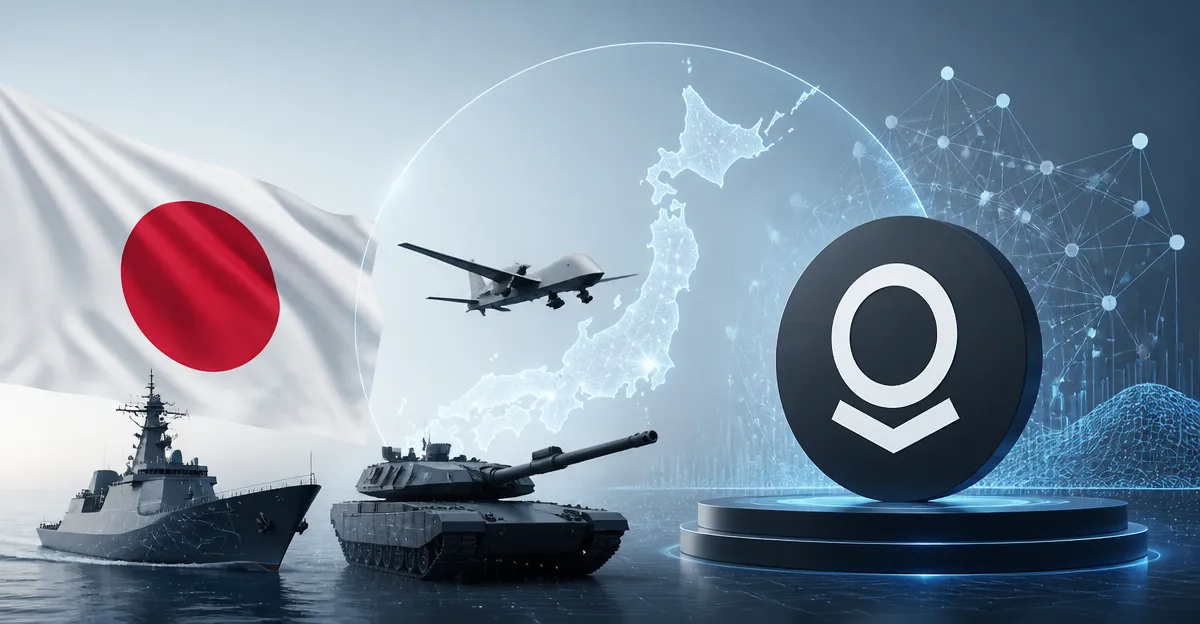
November 2, 2026, (Inside AI) — Japan can build a defense edge by developing its own artificial intelligence stack tailored to national security needs, Palantir Technologies CEO Alex Karp said in an exclusive interview. The remarks signal the U.S. big data analytics firm's eagerness to supply AI systems to the Japan Self-Defense Forces and deepen its presence in one of Asia's most advanced militaries.
Karp's comments come as Japan accelerates military modernization and seeks to integrate AI into defense planning, surveillance, and logistics. The country's 2022 National Security Strategy called for strengthening AI and other emerging technologies, and its 2023 Defense Buildup Program allocated significant funding for AI-enabled systems. Palantir, known for its data integration platforms used by the U.S. Department of Defense and intelligence agencies, sees Japan as a key market.
"Japan could gain an edge in developing its own AI stack tailored to the country's defense needs," Karp said, according to the interview. He did not specify which systems Palantir would offer or whether talks with the Japanese government are underway.
The company's interest in Japan aligns with a broader push by U.S. defense contractors to sell AI tools to allies in the Indo-Pacific. Palantir already has a presence in Japan through partnerships with commercial firms, but a defense-focused deal would mark a significant expansion. The Japanese Ministry of Defense has been cautious about relying on foreign AI systems for sensitive military applications, citing data sovereignty and security concerns.
Read: Japan Asks Anthropic, OpenAI for More Access to Advanced Models
Analysts note that Japan's defense industry has historically favored domestic suppliers, but the complexity of AI technology may force a rethink. "Japan has strong AI research capabilities but lacks the scale and integration experience that companies like Palantir offer," said one industry analyst who spoke on condition of anonymity. "The question is whether Tokyo is willing to sacrifice some control for speed."
The potential partnership also raises questions about interoperability with U.S. forces. Japan hosts the largest U.S. military presence in Asia, and closer AI integration could enhance joint operations. However, it could also complicate Japan's efforts to maintain a distinct defense posture.
Palantir has faced scrutiny over its work with immigration authorities and military drone targeting. In Japan, privacy advocates have expressed concerns about surveillance technologies. The company has not disclosed details of any proposed defense AI system.
Japan's Ministry of Defense did not respond to a request for comment. Palantir declined to elaborate beyond Karp's remarks.
Read: Pentagon's AI Targeting Maxed Out Computing in Iran War, Anthropic Filing Warns of Existential Risk
Karp's interview underscores a growing trend: AI is becoming a central component of military strategy, and companies that can provide secure, scalable systems are in high demand. For Japan, the decision to build or buy AI for defense will shape its security posture for years to come.