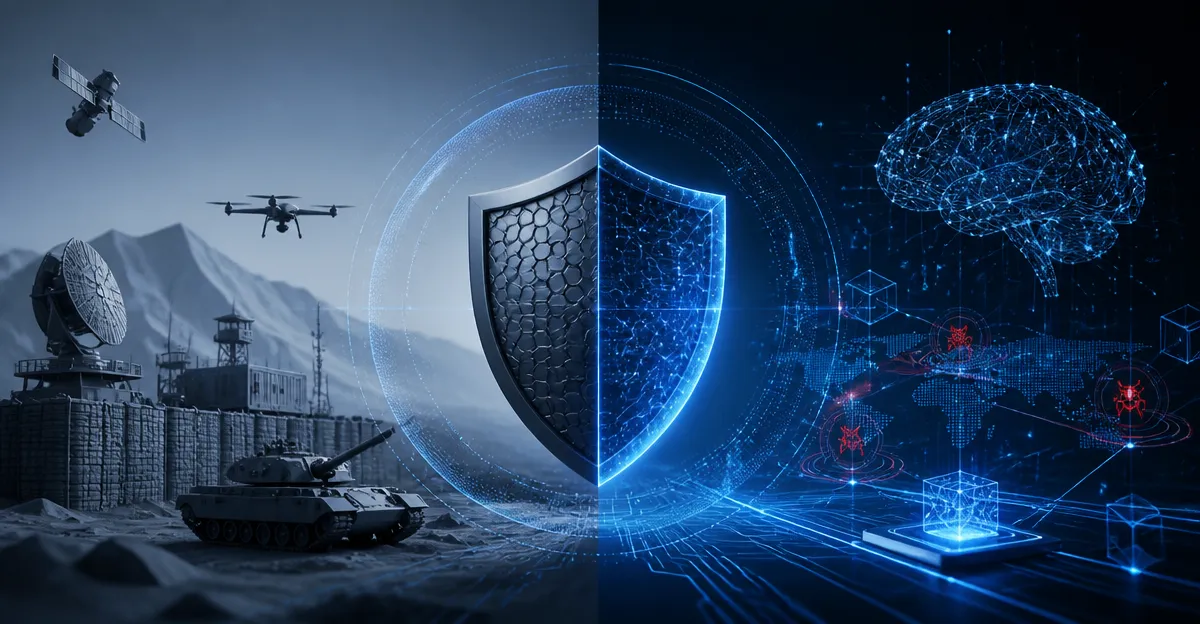
November 3, 2026, (Inside AI) — Artificial intelligence is letting cyberattackers find and exploit system weaknesses faster than defenders can patch them. Security experts now say the goal must shift from perfect protection to keeping critical functions running when defenses fail. The warning came from a Tokyo-based security discussion, where the focus was on military-style resilience rather than flawless prevention.
The core issue is speed. AI tools can scan networks, identify vulnerabilities, and launch attacks at a scale and pace that human defenders cannot match. Traditional cybersecurity assumes that with enough investment, every breach can be stopped. That assumption is breaking down. Experts argue that organizations need to accept that some attacks will succeed and design systems that can absorb the blow and continue operating.
This resilience mindset borrows from military doctrine. Militaries do not expect to win every battle without losses. They plan for redundancy, rapid recovery, and the ability to function under attack. Cyberdefense is moving in the same direction. The goal is not to build an impenetrable wall but to ensure that when a wall falls, the castle still stands.
The shift has major implications for how companies invest in security. Instead of pouring money into prevention alone, budgets must fund detection, response, and recovery. That means more emphasis on backup systems, incident response drills, and architectures that isolate critical functions from compromised segments. It also means measuring success differently: not by the number of attacks blocked, but by how quickly normal operations resume after an incident.
Read: OpenAI and 100 Others Warn Window to Defend Against AI Attacks Is Narrowing
AI cuts both ways. Attackers use it to automate reconnaissance and exploit generation. Defenders can use it to detect anomalies, prioritize patches, and automate responses. But the advantage currently tilts toward attackers because they only need to find one way in, while defenders must cover every possible entry point. Resilience thinking acknowledges this asymmetry and focuses on minimizing damage rather than denying access entirely.
Industry observers note that regulation is lagging. Many compliance frameworks still emphasize prevention checklists over resilience testing. That is starting to change as regulators recognize that breaches are inevitable. The conversation in Tokyo reflects a broader shift in the security community toward accepting risk and building systems that can survive it.
Why Perfect Protection Remains a Dangerous Illusion
The pursuit of perfect protection has persisted for decades despite repeated breaches at major organizations. Each high-profile hack prompts calls for stronger defenses, but the fundamental problem remains: complexity creates vulnerabilities, and determined attackers will eventually find them. AI accelerates this dynamic by lowering the cost of finding and exploiting flaws. Resilience offers a more realistic path. It accepts that failures will happen and focuses on limiting their impact. This approach does not mean giving up on prevention. It means balancing prevention with preparation for the inevitable.
For security leaders, the message is clear. The question is no longer whether an organization will be breached, but when and how badly. Building resilience requires a cultural shift as much as a technical one. Teams must practice responding to failures, not just preventing them. Boards must understand that some downtime is preferable to catastrophic loss of critical functions. And vendors must design products that fail safely rather than catastrophically.
The Tokyo discussion did not produce a specific framework or standard. But it added momentum to a growing consensus: in the AI era, resilience is not optional. It is the baseline for survival.