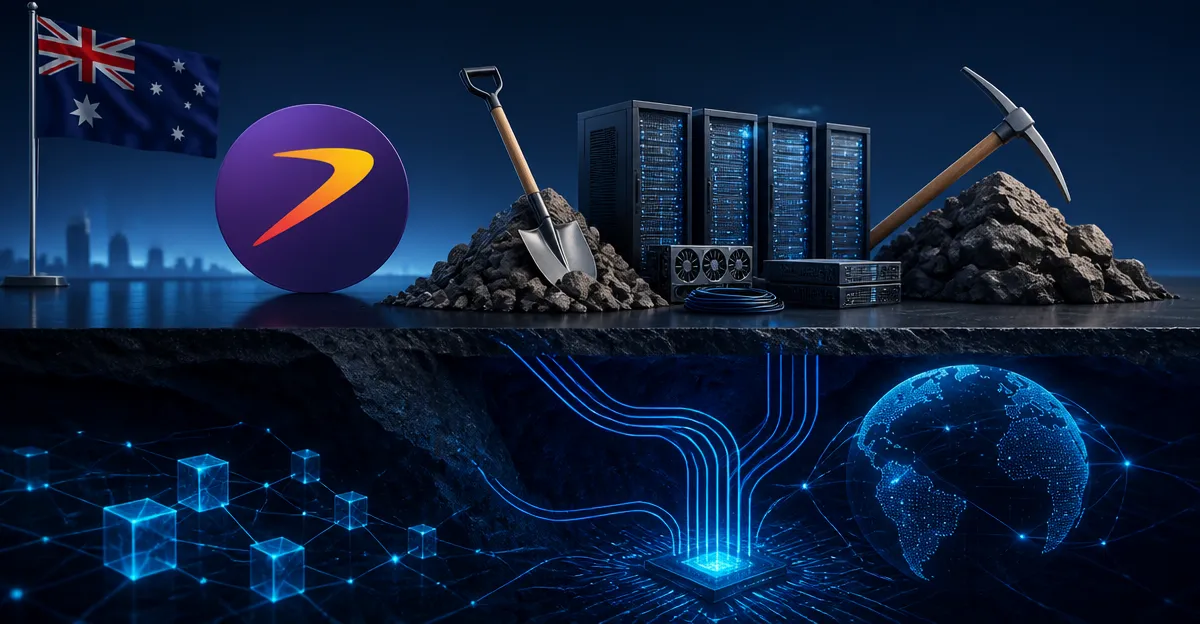
November 3, 2026, (Inside AI) — AustralianSuper, the country's largest pension fund with A$430 billion ($301.7 billion) in assets, will maintain its focus on the "picks and shovels" of the artificial intelligence industry, according to Mark Hargraves, head of international equities and private equity. The Melbourne-based fund is betting that chipmakers and data center operators will withstand the current volatility in global tech stocks.
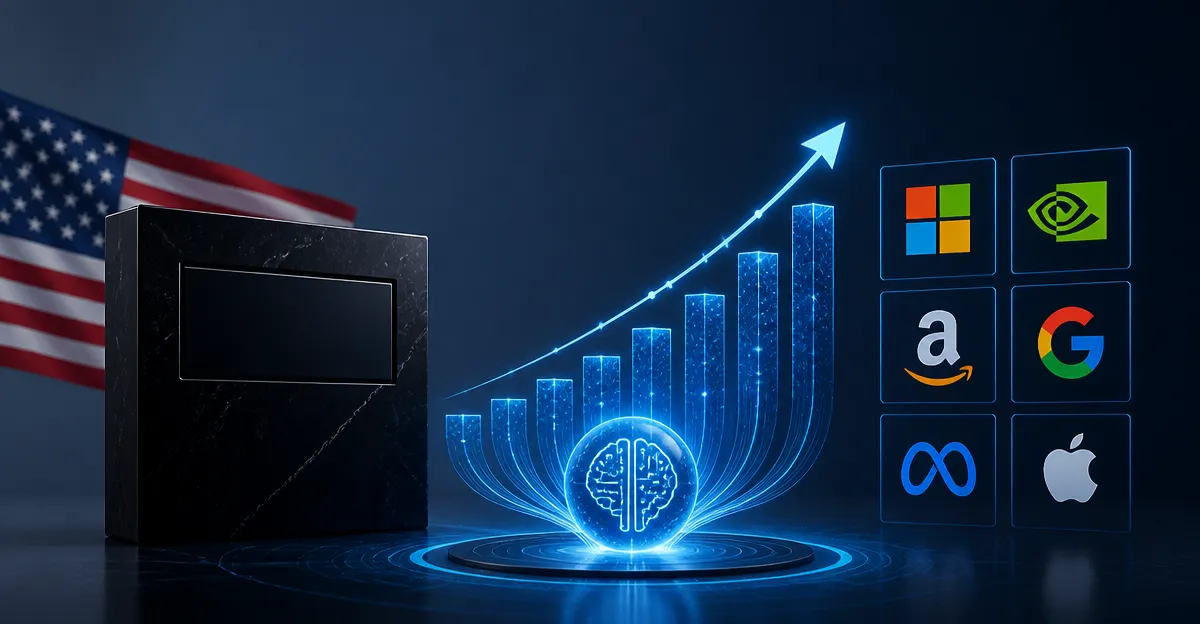
The strategy, revealed in an interview on October 28, comes as AI-related shares face renewed scrutiny over whether earnings can justify sky-high valuations. AustralianSuper's balanced portfolio holds roughly A$3.05 billion in Nvidia stock, along with about A$2.3 billion each in Microsoft and Alphabet. It also holds stakes in SK Hynix, SpaceX, Meta, Broadcom, and Micron.
Hargraves said the fund has been deliberately concentrated on the infrastructure layer of the AI stack. "Large language models require compute power and the hyperscalers are providing that with the data centres, and that compute is driven by chips," he said. "We've been quite focused on what we call the picks and shovels. But as the landscape is evolving, then we ... see the opportunity sets developing and we kind of move exposures accordingly."
His comments underscore a broader debate in institutional investing. AI and AI-related stocks now account for about 40% of the global equities market, Hargraves estimated. He described the rise of AI as the fastest emergence of a major investment theme in his more than 30 years working in equities.
"I've seen a lot of evolution over time. I think this cycle, the rate of evolution is happening faster than previous cycles," he said. "Some of the volatility you're seeing is reflective of that speed of change. It is leading things to change quite quickly and the best is having to constantly reassess things."
The fund's positioning reflects a calculated bet that the physical infrastructure powering AI models, from advanced semiconductors to hyperscale data centers, will prove more resilient than application-layer companies whose revenue models remain unproven. This approach mirrors strategies seen during previous technology cycles, such as the early cloud computing era, when investors favored hardware suppliers over software startups. However, the concentration of AI exposure in a handful of mega-cap stocks creates new risks. If demand for AI chips slows or if hyperscalers reduce capital expenditure, the "picks and shovels" thesis could unravel quickly. AustralianSuper's heavy weighting in Nvidia, Microsoft, and Alphabet means its returns are increasingly tied to the same companies driving the broader market rally.
Anthropic IPO Stirs Valuation Questions
AustralianSuper is also a pre-IPO investor in Anthropic, the AI safety and research company. Hargraves declined to comment on the fund's intentions regarding an upcoming share sale that could value Anthropic at $1.5 trillion to $2 trillion. He noted, however, that the IPO would give investors greater insight into the financial forecasts of large language models.
The potential listing would test public market appetite for a company whose technology underpins many enterprise AI applications. Anthropic's valuation, if realized, would rank it among the most valuable private companies ever to go public. The IPO could also provide a rare window into the economics of building and operating frontier AI models, an area where profitability remains uncertain.
Globally, AI shares have stumbled in recent weeks as investors reassess crowded positions after a prolonged rally. Yet many fund managers remain bullish on the sector's long-term prospects, betting that demand for AI chips, data centers, and related infrastructure has further to run. AustralianSuper's decision to stay the course suggests that at least one major institutional investor sees the current turbulence as a buying opportunity rather than a warning sign.
For now, Hargraves and his team are watching the rapid evolution of the AI landscape closely. "As the landscape is evolving, then we ... see the opportunity sets developing and we kind of move exposures accordingly," he said. The fund's ability to adapt its "picks and shovels" strategy will be tested as the AI cycle matures.