June 16, 2026, (Inside AI) — A new study warns that deep disagreements over AI consciousness could fracture society, but suggests democratic deliberation as a path forward.
The Core Dilemma
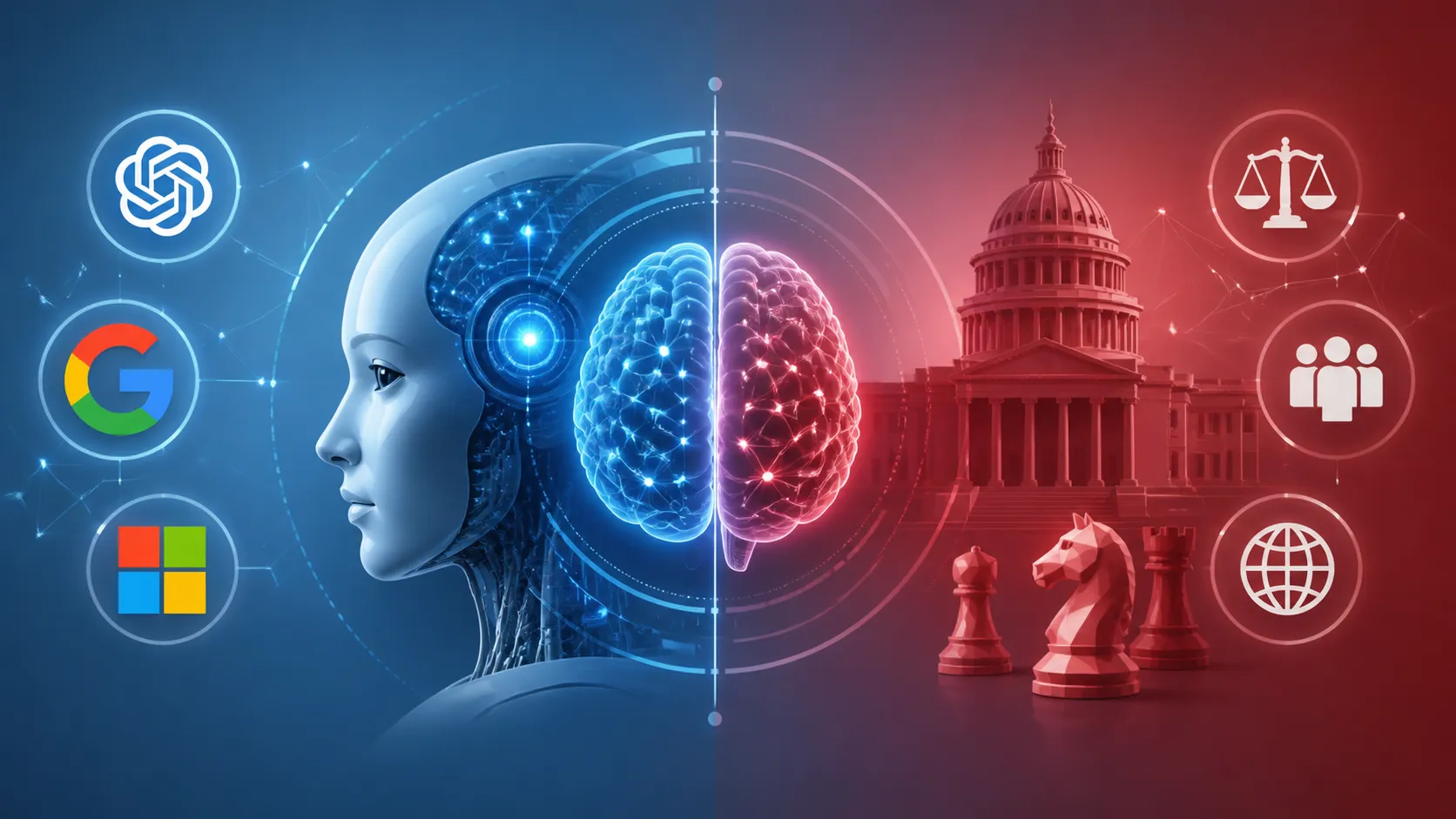
Researchers from top institutions argue that if some people form emotional bonds with AI and believe it is conscious, while others dismiss the idea, the rift could spark moral and political conflicts.
These conflicts might shape laws, rights, and daily interactions with AI systems.
The paper, titled “Artificial Minds, Human Disagreement,” asks how society can navigate such a divide without descending into chaos.
Read: The Uncanny Valley Now Swallows Human Identity, Not Just Robots
Why This Matters Now
As AI becomes more advanced and integrated into daily life, the question of machine consciousness moves from philosophy to practical policy.
Already, some users treat chatbots as companions, while experts remain skeptical about any genuine sentience.
The study emphasizes that waiting for scientific consensus is risky, because the disagreement itself can cause harm.
The Proposal: Deliberation Over Debate
The authors advocate for ongoing societal deliberation, a structured dialogue where diverse groups discuss AI policies openly.
They claim this process can build an “overlapping consensus”—agreement on specific rules even when fundamental beliefs differ.
For instance, people might agree to ban AI in certain roles without agreeing on whether AI is actually conscious.
Compromise Without Capitulation
The paper also explores compromises that leave no party empty-handed.
Read: Jensen Huang: Society Must Forge New Social Norms for AI Age
One example: granting AI limited legal protections in exchange for strict transparency requirements.
Such deals could prevent gridlock or aggressive clashes between believers and skeptics.
Two Pillars: Hope and Respect
Deliberation is slow and fragile, the researchers admit.
To sustain it, they point to “democratic hope”—the belief that collective discussion can yield fair outcomes over time.
Mutual respect is equally vital; participants must treat opposing views as legitimate, not delusional.
Historical Echoes
This isn’t the first time society has faced moral divides over emerging entities.
Animal rights debates show how deliberation gradually shifted laws despite deep ethical disagreements.
Yet AI consciousness poses a steeper challenge because the subject is entirely human-made and rapidly evolving.
What the Paper Leaves Out
Critics note the study lacks concrete mechanisms for initiating or scaling deliberation globally.
It also doesn’t address how to include marginalized voices or prevent manipulation by corporate interests.
Some experts argue that without binding frameworks, deliberation could become mere talk.
Voices from the Field
The authors stress the stakes directly:
“Future disagreement about whether any AI systems are conscious could be both deep and difficult to resolve.”
They add that deliberation can help us “avoid situations in which moral disagreement leads to conflict or quiescence.”
Looking Ahead
The study serves as a call to action for policymakers, technologists, and the public.
Pilot projects in citizen assemblies on AI ethics are already underway in some countries.
Whether these efforts can keep pace with AI development remains an open, urgent question.