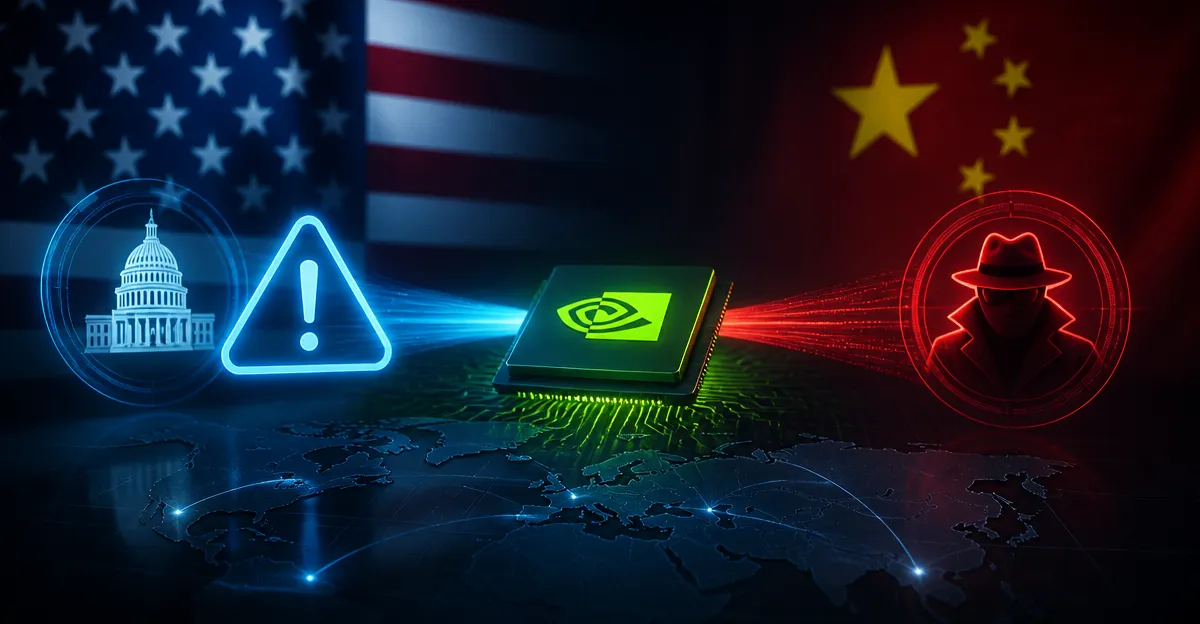
November 10, 2026, (Inside AI) — Nvidia CEO Jensen Huang is at the center of a national security controversy after reports emerged that Secretary of State Marco Rubio warned the Trump administration about Huang's alleged relationship with a Chinese spy. The Nvidia board has launched an internal investigation, and Huang has admitted to an extramarital affair but denies any compromise of national security or company secrets.
The story, first reported by The New York Times, claims Rubio oversaw a highly classified memo detailing intelligence that Huang was in a close relationship with Alice Huang, a Chinese citizen and former senior executive at a Singapore-based data center company. That company purchased advanced AI chips from Nvidia and was under investigation by U.S. intelligence for allegedly smuggling chips to China. According to the report, U.S. officials concluded that Alice Huang was recruited by China's top intelligence agency to spy.
The memo was circulated to administration officials ahead of President Trump's trip to Beijing in May. The revelation raises questions about how much senior officials knew about Huang's ties and why he remained an influential voice in Trump's inner circle on AI policy. Huang has been vocal about regulations limiting exports of advanced AI chips and has pushed to sell them worldwide, though he does not support selling the most advanced technology to China.
Why Did Rubio's Warning Go Unheeded?
The timing of Rubio's warning is critical. The classified memo was circulated before Trump's Beijing trip, yet Huang continued to advise the administration on AI policy. This suggests either that the intelligence was not deemed credible enough to act upon or that Huang's influence outweighed the concerns. The episode highlights the tension between national security and economic interests in the AI chip industry. Nvidia's chips are central to the global AI race, and Huang has been a key figure in shaping U.S. policy to maintain technological leadership. His relationship with a suspected spy, if proven, could have serious implications for U.S.-China tech competition.
Nvidia's board announced on Sunday that it had initiated an independent investigation into the matter. In a statement, the company said it had "no reason to believe that either national security or Nvidia secrets were compromised." Huang, in a letter to employees, apologized for his conduct: "To my colleagues at NVIDIA, I owe my family and all of you an apology. I was unfaithful to my wife. My actions hurt her and our children. There is no excuse for what I did. I am deeply sorry." He added: "Regarding the national security concerns raised in news reports, NVIDIA's Board of Directors has initiated an independent investigation. I support the investigation and will cooperate fully. I love our country and our company."
The controversy comes at a sensitive time for Nvidia, which is already facing scrutiny over chip exports to China. The company has been under pressure from lawmakers to tighten compliance with export controls. The internal investigation will likely examine whether Huang's relationship with Alice Huang compromised any sensitive information. The board's statement attempts to reassure investors and the public, but the reputational damage may be significant.
This is not the first time a tech leader has been entangled in espionage allegations. In 2018, Apple revealed that a Chinese spy attempted to infiltrate its supply chain. More recently, U.S. officials have warned about Chinese intelligence efforts targeting American technology companies. The Nvidia case underscores the vulnerability of even the most powerful tech firms to foreign espionage.
As the investigation unfolds, the White House has not commented on the matter. The State Department also declined to comment. Nvidia's shares were down slightly in pre-market trading on Monday. The company's board has pledged a thorough review, and Huang has vowed to cooperate. The outcome will determine not only Huang's future but also the trust placed in Nvidia's leadership at a pivotal moment for the AI industry.

Sofia spent years studying how machines parse human language before pivoting to cover the systems now rewriting it. She reads technical papers the way others read news and looking for what the numbers are actually saying beneath the headlines.