August 14, 2026, (Inside AI) — China is being urged to frame its new international AI body as an inclusive platform rather than a counterweight to U.S.-led alliances, as analysts warn that a perceived “us or them” dynamic could deter prospective members.
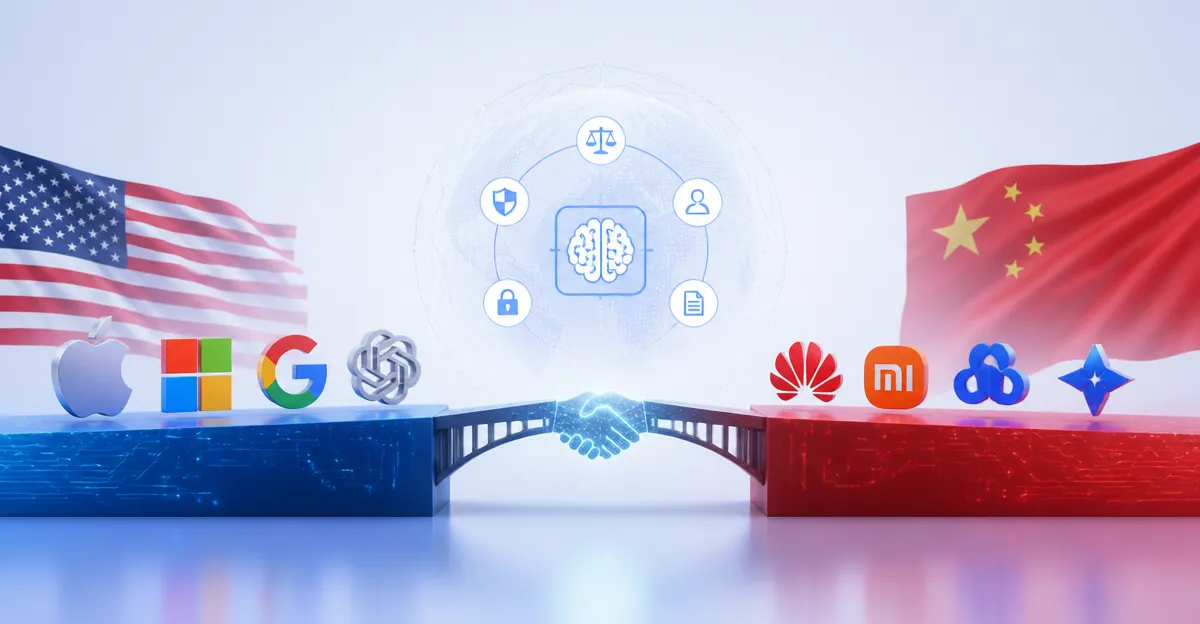
The warning comes as both superpowers have established distinct international blocs, fueling concerns that other countries will be forced to pick sides in the global race for AI governance and technological leadership.
China has repeatedly insisted that its body, Waico, was designed to advance “AI for good and for all.” Yet the initiative has drawn intense international scrutiny amid claims it is a strategic move by Beijing to rally friendly capitals against Washington.
Analysts say that if Waico is seen as “naturally opposed” to the United States and its allies, it may struggle to attract a broad membership. The perception of rivalry could push neutral nations away from engaging with the Chinese-led framework.
On the other side, Pax Silica, a U.S.-aligned group with 24 members, has core objectives that include building “supply chain security.” It is widely perceived as being, at least in part, an effort to build a tech bloc that is walled off from China.
The emergence of the two blocs has also raised concerns that the global AI landscape will become polarised between two rival camps. This division could fragment international efforts to create unified standards for AI safety, ethics, and interoperability.
Experts point to historical precedents in technology governance, such as the early internet’s multistakeholder model, which succeeded partly because it avoided rigid geopolitical alignment. A similar approach may be needed for AI to prevent a bifurcated ecosystem.
China’s diplomatic messaging around Waico has emphasized openness and shared benefit. However, analysts note that actions matter more than rhetoric. Membership criteria, data-sharing rules, and decision-making processes will signal whether the body is truly inclusive.
Some observers argue that competition between the blocs could accelerate innovation by creating parallel tracks. Others counter that fragmented governance raises compliance costs for multinational companies and creates conflicting regulatory demands.
The debate reflects a broader tension in global AI policy: how to balance national security interests with the need for international cooperation on issues like algorithmic transparency, bias mitigation, and autonomous weapons control.
For now, the key test for Waico will be whether it can attract members beyond China’s traditional allies. If it does, it may evolve into a genuine multilateral forum. If not, it risks cementing the very divide that analysts are urging Beijing to avoid.