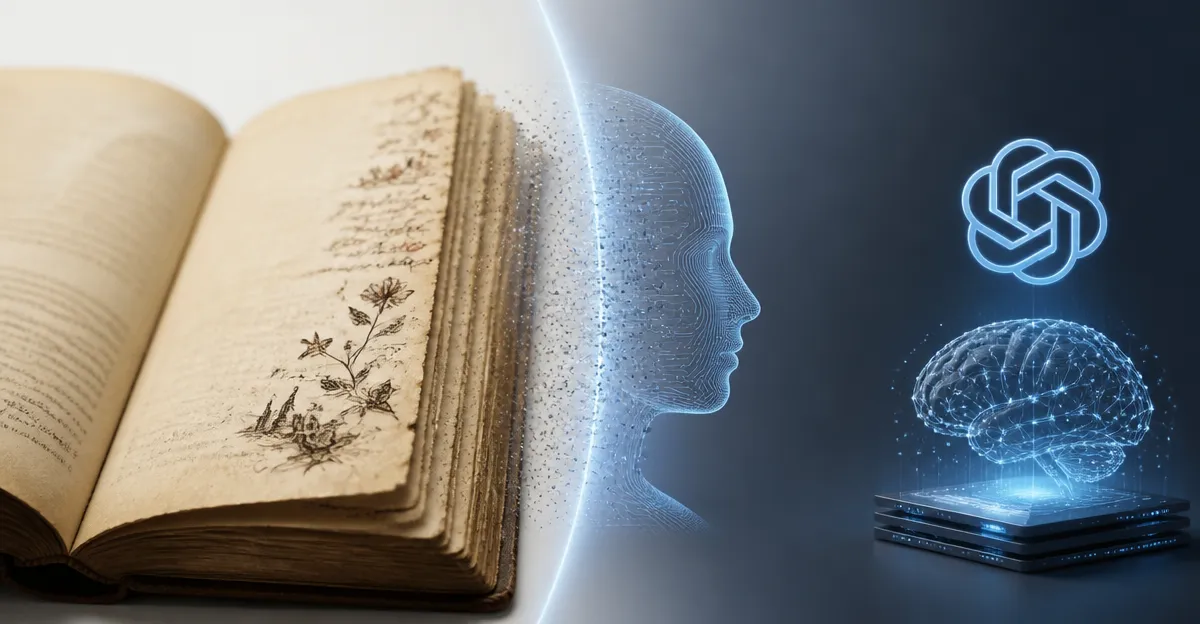
August 18, 2026, (Inside AI) — Second-hand book sales are surging in the United Kingdom, driven by artificial intelligence firms hungry for high-quality training data. The buying spree follows revelations about Anthropic’s “Project Panama,” a large-scale effort to purchase and scan used books.
AI companies are turning to physical books because the open internet has become polluted with machine-generated content. Books offer cleaner, curated language that improves model performance. But the method is destructive. Spines are ripped off so pages can be scanned rapidly, then the remains are recycled.
This digitisation by digestion troubles booksellers and collectors. The charm of a used book lies in its physicality: yellowing pages, distinctive smell, handwritten notes in margins. Those marginalia carry human traces that no scan can preserve.
Virginia Woolf once described finding a “complete stranger” in a book who could become “the best friend we have in the world.” That serendipity cannot be digitised.
The second-hand book trade democratised knowledge long before AI. Browsing shelves once prized by others offers a rare promise of chance discovery. Algorithms now decide what is seen and ignored. Used bookshops remain spaces where unexpected encounters still happen.
The publishing industry is in a slump, so any book sales might seem positive. But the consolation is false. Books bought for AI are not read. They are consumed and destroyed.
UK booksellers report that AI firms and their contractors are purchasing vast quantities of pre-owned titles. The demand spans genres, from fiction to technical manuals. Sellers note that buyers show little interest in condition or edition, only in volume and speed.
Anthropic has not publicly detailed Project Panama’s scale. But the pattern matches a broader industry shift. Tech companies are turning to licensed and purchased data sources as web scraping faces legal and quality challenges.
The loss is cultural as much as material. Each destroyed book may contain annotations, dedications, or pressed flowers. These artifacts of individual reading lives are impossible to recover once a spine is stripped.
Some preservationists argue for digitisation without destruction. Non-destructive scanning exists but is slower and costlier. The economics of AI training favour speed over preservation.
This tension echoes earlier debates about microfilming and digitising archives. The difference now is scale and intent. AI firms are not preserving knowledge for public access. They are converting books into private training corpora.
The surge in second-hand sales may be temporary. Once models are trained, demand could collapse. What remains is the absence: shelves emptied, books recycled, marginalia lost.
Collectors continue to seek out old books for their own sake. The market for rare and annotated copies remains robust. But the broader pool of affordable used books is shrinking as AI consumption accelerates.
The question is not whether AI can read books. It is whether the books survive the reading. For now, the answer is no.