July 17, 2026, (Inside AI) — Before handing recurring work to AI agents, teams must first define the work itself. That is the core argument from a new article on Towards Data Science, which outlines five reusable assets that transform vague AI requests into reliable, operational workflows.
The piece, authored by a workflow enablement practitioner, argues that most organizations skip a critical step: documenting what a task is, why it exists, and what success looks like. Instead, they jump straight to prompts and agents, believing better models alone will yield better results.
But the counterintuitive reality is that the more capable the model, the more costly those missing definitions become. A chat interaction begins with a request like “analyze this,” but an operational workflow requires a well-defined job with clear outcomes, authoritative sources, and explicit decision boundaries.
The Five Assets for AI-Ready Workflows
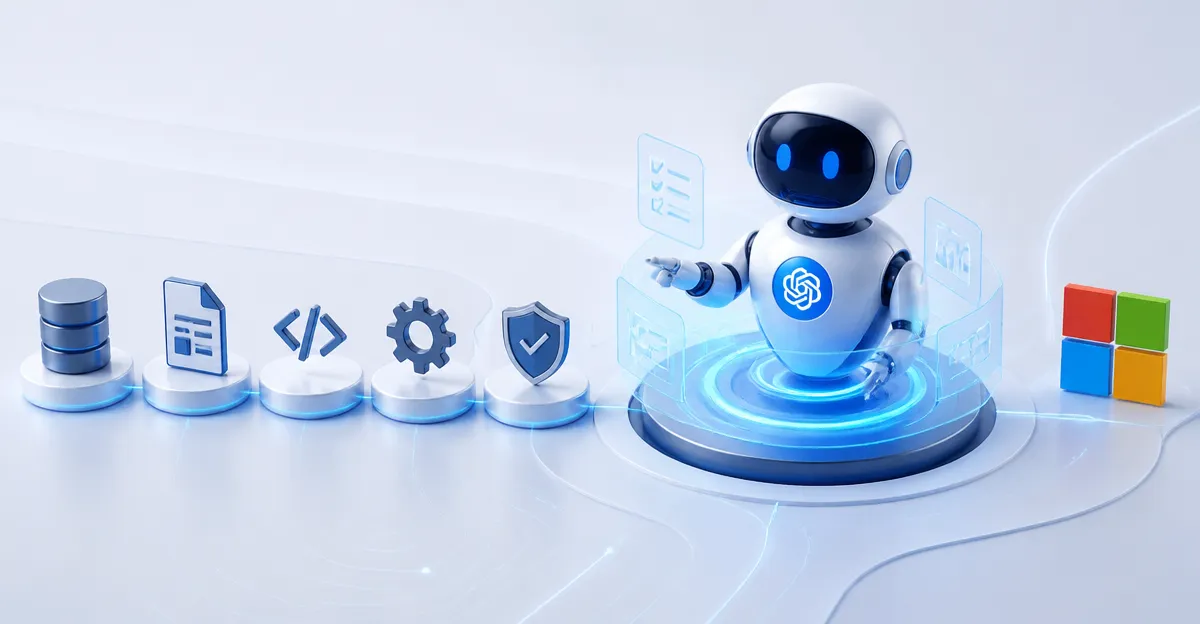
The article details five assets that teams can create once and reuse across models and tools. The first is the Repeated Work Asset: an inventory of tasks that happen regularly, consume meaningful time, follow repeatable steps, and carry enough value or risk to justify automation. Examples include weekly reports, contract reviews, or quarterly planning processes.
Read: How AI-Native Companies Turn Workflows Into Operating Capability
Second is the Task Asset, which turns a vague instruction into a precise assignment. It defines the objective, audience, materials, constraints, steps, quality thresholds, and stop points. Without it, AI fills in gaps with assumptions that can sound confident but be wrong.
Third, the Context Asset gives AI the business background it needs—who you are, what you’re working on, trusted sources, decision-making principles, and output never to produce. The author warns against dumping months of chat history into context, as outdated details can bury valuable information.
Fourth, the Acceptance Test Asset uses real examples—both accepted and rejected—to show AI what good looks like. This turns expectations into checkable criteria, helping distinguish confident-sounding but incorrect output from usable results.
Fifth, the Permission Asset defines the boundaries of AI autonomy: what it can do alone, what requires approval, and what it must never touch. This is crucial for irreversible actions like deleting files, modifying production systems, or publishing publicly.
From Prompt Engineering to Workflow Design
The article positions these assets as a practical bridge between strategy and execution. It references a previous piece, Redesign Work Before You Add More AI Agents, which outlined five leadership decisions for scaling AI. The new work shows how to turn those decisions into reusable documentation.
By combining the five assets into one master prompt, teams can create a reusable workflow. The author advises starting small: one defined task, one reliable input, one standard output, and one approval point. Run real examples, compare output against accepted and rejected cases, and fix gaps before adding more autonomy.
This approach contrasts sharply with the common practice of collecting prompts. As the author notes, models, licenses, and platforms will keep changing. The lasting value comes from codifying what your team already knows into work that AI can repeat, people can review, and the business can rely on.
Read: How Agentic AI Is Repeating the Consulting Industry’s Big Con
The article concludes with a stark warning: “Give it only ‘help me with this,’ and it can only guess. Give AI the scene, the materials, and the standards, and it can execute.” This shift, it argues, is where AI transformation moves from experimentation to practical business value.
Industry observers note that the framework aligns with emerging best practices in agentic AI deployment. However, some experts caution that the upfront investment in asset creation may be too heavy for resource-constrained teams, and that dynamic, non-recurring work may not benefit equally. Still, for organizations seeking to move beyond isolated pilots, the message is clear: document before you delegate.