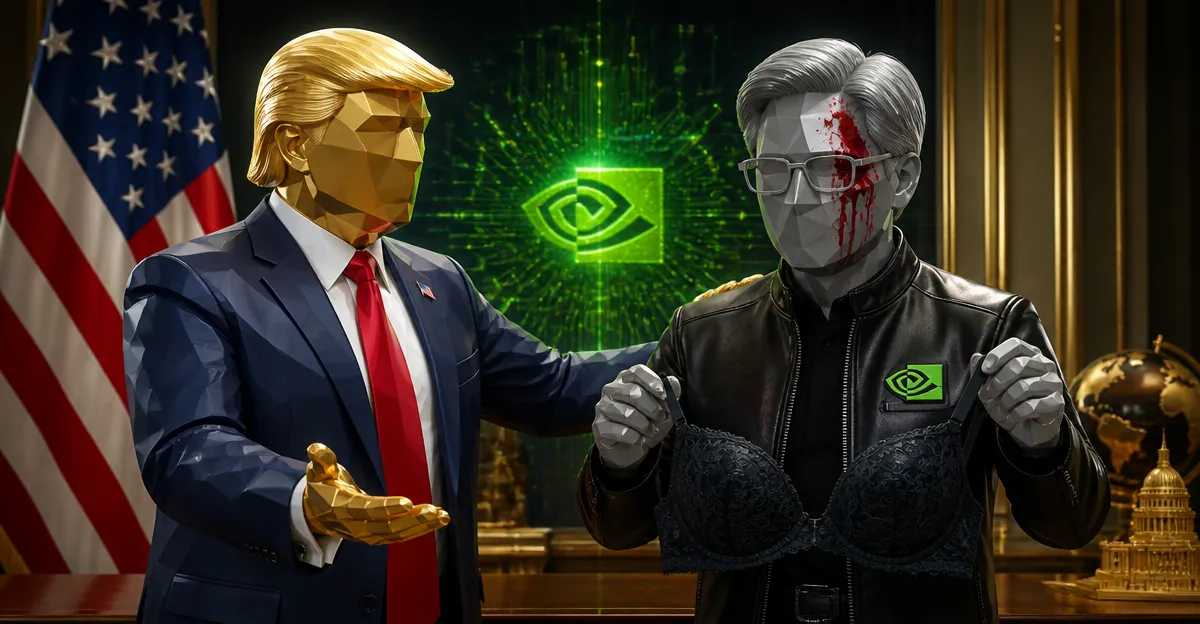
November 24, 2026, (Inside AI) — Nvidia's board reinstated Jensen Huang as chief executive and president on Monday, ending an 11-day leadership crisis triggered by his dismissal on November 12. The reversal followed an extraordinary weekend intervention by President Donald Trump and Vice President JD Vance, who personally assured the board that Huang faced no criminal charges and posed no national security threat. The episode has thrust the intersection of national security, corporate governance, and executive power into sharp focus.
Huang's ouster came amid revelations of an affair with a woman alleged to be a Chinese spy. Trump had publicly downplayed the affair, but the situation escalated when he disclosed an FBI investigation. The board's initial decision to terminate Huang, a co-founder and longtime leader of the world's most valuable chipmaker, sent shockwaves through the semiconductor industry and raised questions about the stability of a company central to the AI boom. The White House's subsequent push to restore him underscores the administration's deep interest in Nvidia's leadership and its strategic role in the US-China tech rivalry.
The reinstatement was not without controversy. Lawmakers from both parties objected, calling for passage of the Chip Security Act, a bill aimed at preventing advanced chips exported legally from being diverted to China. Critics argue that the White House's intervention sets a troubling precedent for political interference in corporate affairs, especially given Nvidia's critical position in the AI supply chain.
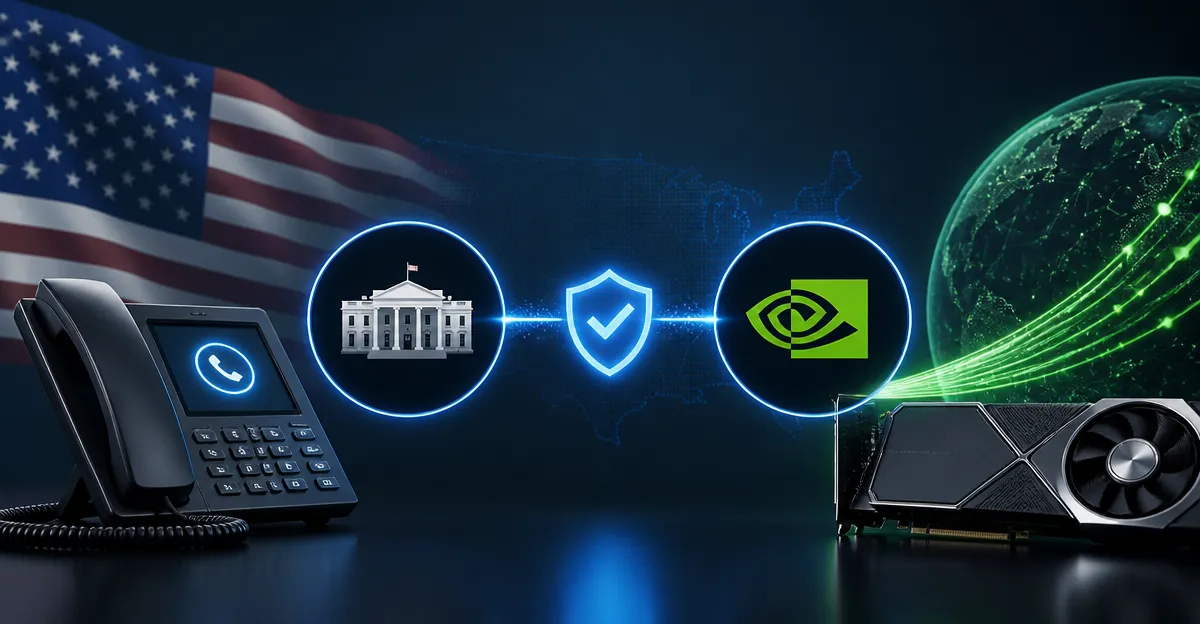
The White House's involvement began with Trump asking Vice President JD Vance to speak with Huang and work with Nvidia's board, according to sources familiar with the matter. What followed was a series of calls over the weekend from top officials, including Vance, urging directors to bring Huang back. Vance focused on two assurances: that the US government did not consider Huang a national security threat and that he was not facing criminal charges. By Sunday night, the deal was done, and Nvidia announced the reinstatement on Monday.
Trump also called the board directly to vouch for Huang. "I've been speaking to the board directly and indirectly, and I felt very strongly about it," Trump told CNBC. "I think we have one of our great stars back in play." The President's personal involvement highlights the unusual nature of the episode, where a sitting president actively lobbied for a specific CEO's return.
Nvidia's statement said the board acted based on US government input and was confident that "Huang's reinstatement poses no national security risk." The company did not elaborate on the nature of the government's assurances or the FBI investigation.
This episode reveals a new dimension of US industrial policy: direct White House intervention in the leadership of a strategic company. The move may reassure investors about Nvidia's stability, but it also raises concerns about the politicization of corporate governance and the potential for similar interventions in the future. As AI chips become geopolitical assets, the line between public and private control blurs, and the precedent set here could have lasting implications for how the US manages its tech champions.
Lawmakers remain unsatisfied. The bipartisan push for the Chip Security Act reflects growing anxiety over export controls and the possibility that advanced chips could reach China despite restrictions. The bill's proponents argue that the US needs stronger safeguards to maintain its technological edge. The White House has not commented on the bill's progress.
For now, Huang is back at the helm, but the scrutiny is far from over. The FBI investigation continues, and the affair with the alleged spy remains a sensitive topic. How Nvidia navigates these challenges will test the resilience of its leadership and the effectiveness of the White House's gamble.

If a research paper dropped this week, Mahesh has already read it. He covers AI tools and vibe coding for builders who need to know what is worth their time and what is not.