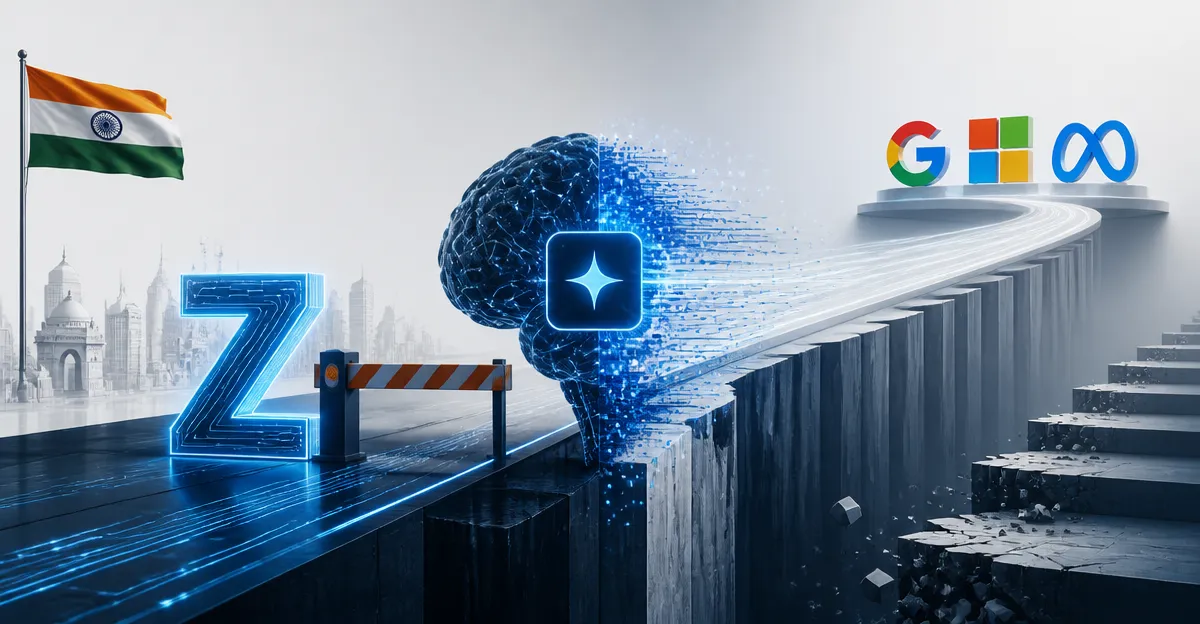
July 15, 2026, (Inside AI) — India’s economic liberalization in 1991 was supposed to deliver prosperity. Instead, it has concentrated corporate power and eroded stable employment for Generation Z. Now, artificial intelligence is accelerating these trends, threatening to automate even the precarious gig work that millions of young Indians rely on.
The structural problem is acute: a handful of conglomerates dominate the economy. Barriers to entry once came from bureaucracy; today they stem from capital, technology, and market dominance. AI intensifies this, as only the largest firms can afford the computational resources needed for advanced systems, entrenching monopoly power further.
Amir Hyder Khan, a researcher in urban planning, argues that AI is not just a technological shift but a political choice. “Automation offers corporations something capitalism has always pursued: Production with fewer workers and greater control,” he writes. The result is algorithmic precarity—decisions made by systems workers cannot question and corporations they cannot hold accountable.
The employment landscape has transformed dramatically. In the 1990s, liberalization opened doors in IT, manufacturing, and finance. Today, Gen Z faces contract work, platform labor, and algorithmic management. Delivery workers, ride-hailing drivers, and freelancers shoulder all risks while companies dodge employer responsibilities.
Read: TCS Hiring Rebound Exposes India’s AI Job Data Gap
AI now threatens to eliminate these insecure jobs. Autonomous vehicles, warehouse robotics, AI-assisted coding, and automated customer service are reducing demand for human labor. Even sectors like IT and business services—once reliable employers—are vulnerable. Degrees no longer guarantee careers.
The consequences stretch beyond jobs. Liberalization promised broad-based prosperity but produced stark inequality. A corporate elite enjoys vast wealth while the middle class confronts stagnant wages and rising costs. Every online interaction becomes data to monetize, shaping behavior and eroding genuine choice.
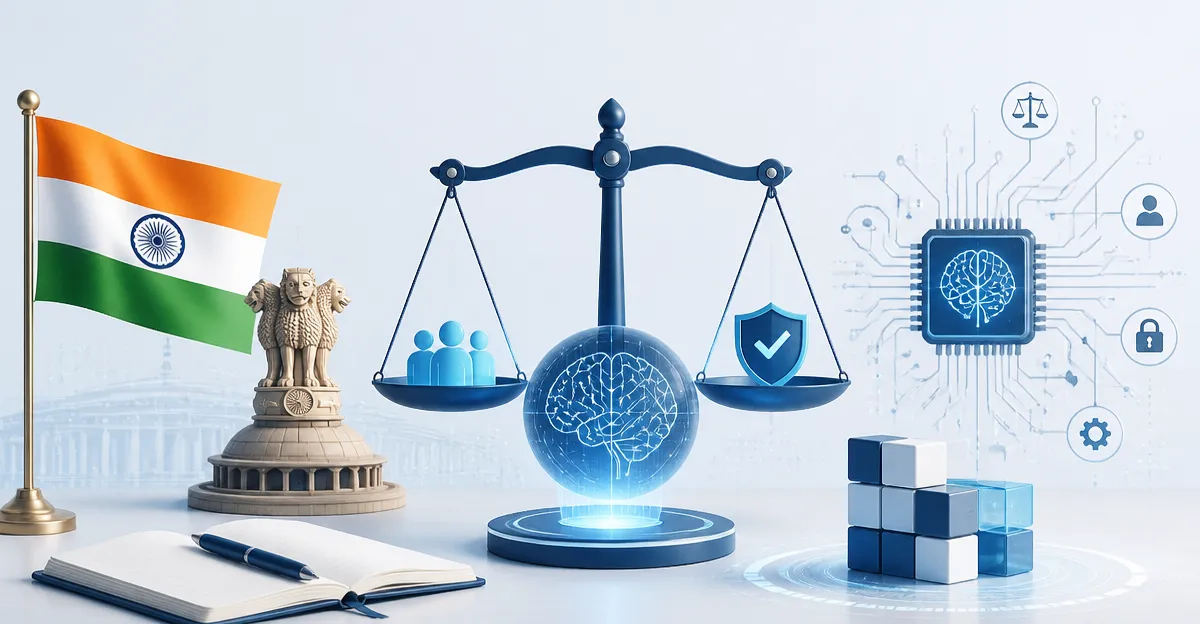
Khan proposes a fundamentally different approach. First, treat AI infrastructure as a public utility, like electricity or water, developed in the public interest for healthcare, education, and agriculture. Second, ensure automation gains flow to workers through cooperatives and democratic enterprises, translating productivity into shorter hours and better pay.
Third, expand universal basic services—healthcare, education, housing—so access does not depend on employment. These measures demand ideological change, moving beyond the market-centric consensus. “Left politics cannot simply defend the existing public sector but must articulate a democratic socialist vision for an AI-driven economy,” Khan states.
In 1991, India chose markets over planning. AI presents another historic choice: allow monopolies to automate insecurity, or build publicly governed systems that serve collective welfare. As Khan puts it, “Technology is never inevitable. Its ownership, governance, and purpose are political choices.”
Read: Entry-Level Employment Falls 19% in Most AI-Exposed Jobs, Stanford Study Finds
The debate is not merely economic. It is about who controls the technologies shaping the 21st century—and whether they expand human freedom or consolidate corporate power. For Gen Z, the answer will define their future.