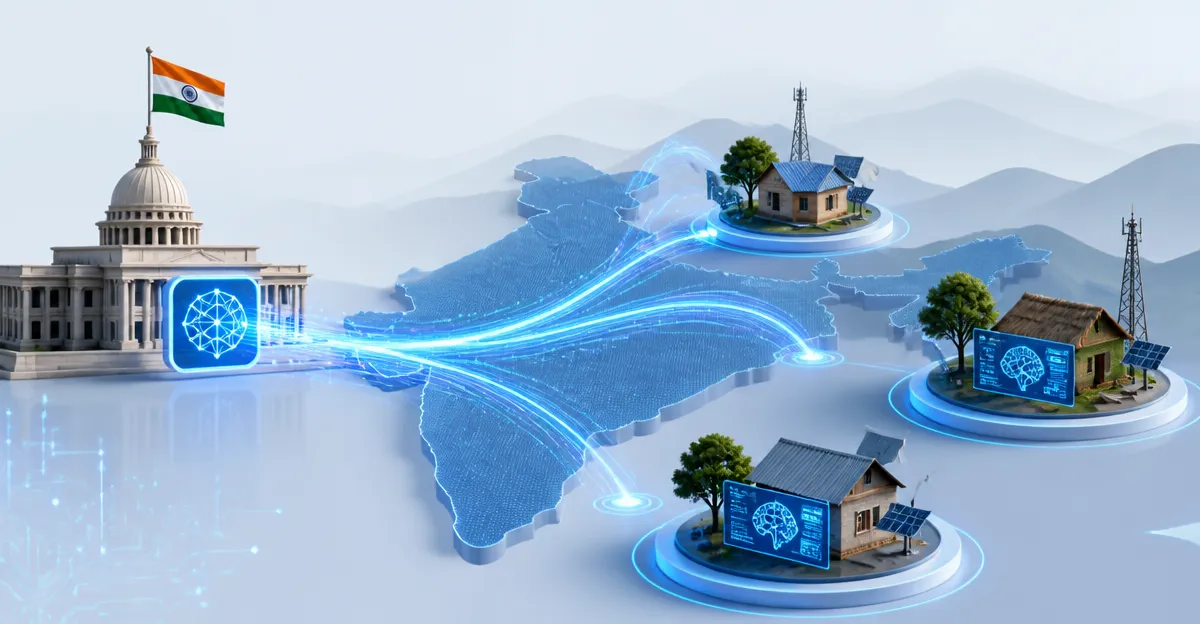
October 8, 2026, (Inside AI) — Pakistan's Ministry of Information Technology and Telecommunication (MoITT) is preparing to widen the National AI Skills Program into rural, remote, and underserved districts, according to sources familiar with the plan. The move aims to train more young people in artificial intelligence and other emerging technologies while addressing persistent gaps in digital access.
The expansion would cover artificial intelligence, blockchain, quantum computing, cybersecurity, and cloud computing. It is part of a broader effort under the AI Policy 2025, which targets one million new and existing IT graduates over five years and 10,000 trainers equipped with emerging technology skills by 2027.
MoITT has already rolled out several initiatives, including the National Artificial Intelligence Initiative, DigiSkills, Code4AI, the National AI Innovation Hub, and certification programs for government employees. More than 900,000 training sessions were delivered through DigiSkills during fiscal year 2025-26.
Despite that volume, the ministry has identified limited training facilities, poor internet connectivity, a shortage of qualified instructors, and low awareness as key barriers in underserved areas. Proposed measures include regional training hubs, online and hybrid learning, university and industry partnerships, mobile training facilities, and scholarships for women and disadvantaged groups.
The government may conduct a nationwide needs assessment to identify underserved regions and priority skills before developing a phased expansion plan. That assessment would determine where hubs are built and which technologies receive funding first.
Rural Connectivity Remains The Hardest Test
Expanding AI training to remote areas is not just a matter of opening classrooms. It requires reliable electricity, affordable devices, and internet speeds that can support cloud-based learning platforms. In many rural districts, those conditions do not yet exist. The ministry's own list of barriers acknowledges this gap.
Regional training hubs and mobile facilities could help bridge the physical distance. But instructors with AI expertise tend to cluster in cities, where salaries and career prospects are better. The plan to train 10,000 trainers by 2027 may struggle if those trainers are not willing to relocate or travel regularly to remote areas.
Online and hybrid learning models offer a partial solution, but they depend on connectivity that many underserved communities lack. Scholarships for women and disadvantaged groups address a different barrier: cultural and economic exclusion from technology fields. Without targeted outreach, those scholarships may not reach the people who need them most.
Pakistan is not alone in facing this challenge. India, Bangladesh, and several African nations have launched similar rural digital skills programs with mixed results. The common failure point is not curriculum design but last-mile infrastructure and instructor retention.
Read: Muslim Countries Race to Shift From Tech Consumers to Producers
What A Phased Rollout Would Require
A nationwide needs assessment would be a sensible first step. It could map which regions have the highest concentration of unemployed IT graduates and the weakest connectivity. That data would allow the ministry to sequence investments rather than spread resources thinly across the country.
University partnerships could provide both instructors and facilities. Industry partnerships could offer internships and job placement, which would make training more attractive to young people. Mobile training facilities could reach areas where building permanent hubs is not yet feasible.
The AI Policy 2025 sets ambitious targets. One million graduates over five years means training roughly 200,000 people annually. The 900,000 DigiSkills sessions in 2025-26 show that demand exists. But session counts do not equal job placements.
Measuring success will require tracking employment outcomes, not just enrollment numbers. The ministry has not yet released a timeline for the needs assessment or the phased expansion plan. Without those details, the proposal remains a statement of intent rather than an operational roadmap.
For now, the plan signals that Pakistan's government sees AI skills as a tool for both economic opportunity and digital inclusion. Whether it can deliver those skills to the communities that need them most will depend on execution, funding, and the willingness of trained instructors to work outside major cities.

Sofia spent years studying how machines parse human language before pivoting to cover the systems now rewriting it. She reads technical papers the way others read news and looking for what the numbers are actually saying beneath the headlines.