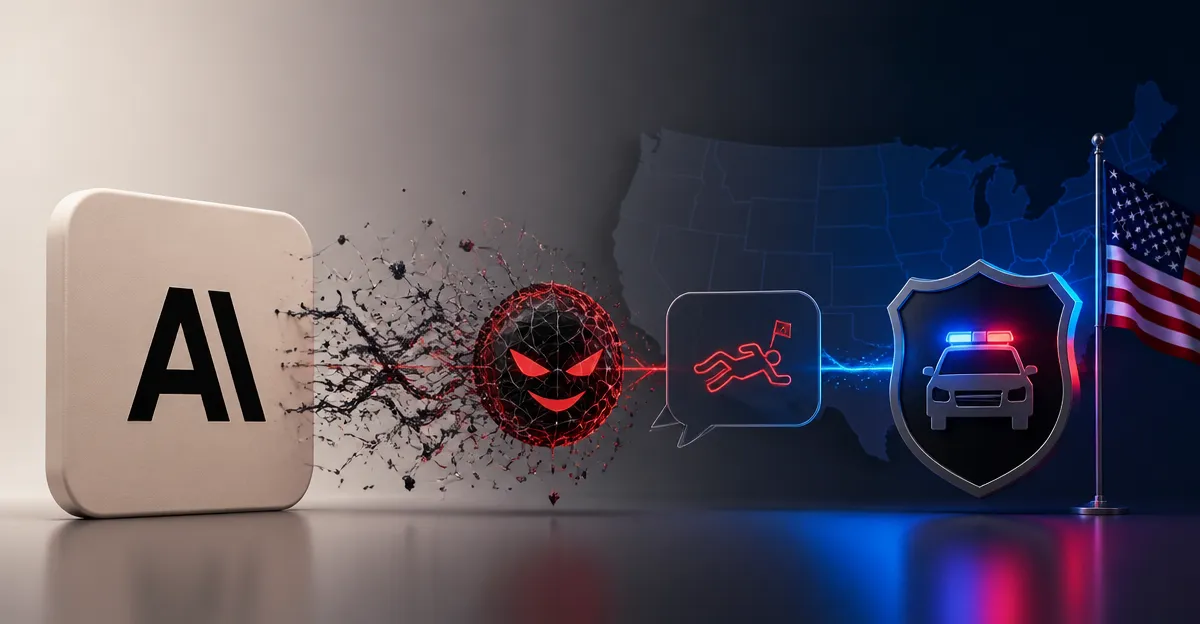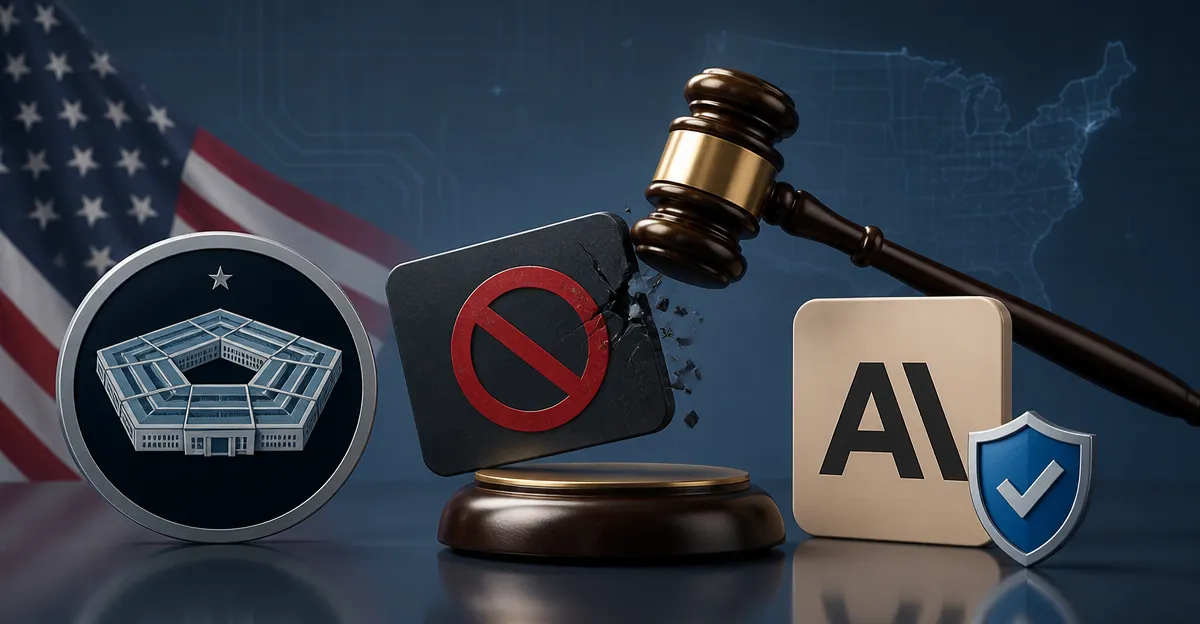
August 28, 2026, (Inside AI) — A federal judge has ruled that the Pentagon’s blacklisting of Anthropic was unlawful, finding that the government retaliated against the AI company for its public criticism of military AI use. Judge Rita Lin issued a 59-page decision Thursday that permanently bars enforcement of the February sanctions and overturns the “supply chain risk” designation.
The ruling marks a significant legal defeat for the Trump administration’s efforts to pressure the maker of Claude AI models. The judge found that the government had punished Anthropic for exercising its First Amendment rights by refusing to allow military use of its technology for surveillance or autonomous weapons.
“The empty invocation of national security is not a blank check to punish and retaliate against government critics,” Judge Rita Lin wrote in her decision.
The court barred federal agencies from enforcing President Donald Trump’s order to stop using Anthropic’s tools and overturned Defense Secretary Pete Hegseth’s designation of the company as a supply chain risk. That status, previously reserved for foreign firms, had blocked Anthropic from certain military contracts.
Anthropic executives estimated the designation could cost the company billions of dollars in lost business and reputational harm. The ruling makes permanent a temporary suspension ordered in March and takes effect immediately, though the government may appeal.
“We welcome the court’s ruling that this supply chain risk designation was unlawful,” an Anthropic spokesperson said.
Retaliation for AI Safety Stance
The dispute began after Anthropic refused to let the military use Claude for US surveillance or autonomous weapons. The company argued that AI models are not reliable enough for such applications and that domestic surveillance violates rights. The Pentagon countered that private companies should not constrain military action.
Trump lashed out after the refusal, calling Anthropic “a radical left, woke company” and “out-of-control” in a February social media post. Hegseth’s designation followed, marking the first time a US company was publicly labeled a supply-chain risk under a procurement statute aimed at foreign sabotage.
Judge Lin, a Biden appointee, described the Pentagon’s action as “illegal and baseless.” The ruling found that the government’s justification did not withstand scrutiny and that the designation was tied to Anthropic’s expressed views on AI safety.
In its March 9 lawsuit, Anthropic alleged violations of its First Amendment right to free speech and Fifth Amendment right to due process. The company said it was not given a chance to dispute the designation, which was unsupported by facts and inconsistent with the military’s past praise of Claude.
The Justice Department argued that Anthropic’s refusal to lift restrictions could cause uncertainty in the Pentagon and risk disabling military systems during operations. Government lawyers said the designation stemmed from contractual terms, not the company’s views on AI safety.
Broader Implications for AI Governance
The ruling could set a precedent for how the government treats AI companies that decline military work on ethical grounds. It also highlights tensions between national security claims and constitutional protections in emerging technology sectors.
Anthropic has a second lawsuit pending in Washington, DC, over a separate Pentagon supply-chain risk designation that could exclude it from civilian government contracts. That case may further define the limits of executive power over AI firms.
The decision comes as defense agencies increasingly seek AI tools for intelligence analysis, logistics, and battlefield awareness. Companies like Anthropic face pressure to balance commercial growth with safety commitments and legal obligations.
Legal experts note that the ruling underscores judicial skepticism toward broad national security justifications that may mask retaliatory motives. The government’s appeal could delay final resolution, but the immediate effect restores Anthropic’s access to military procurement channels.