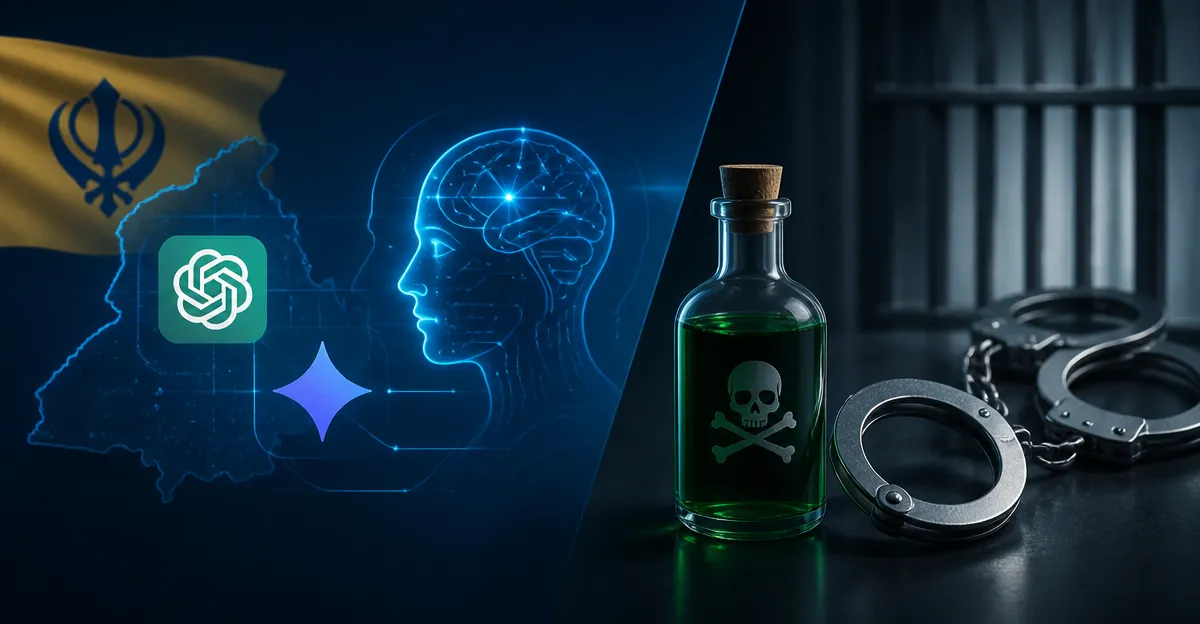
June 25, 2026, (Inside AI) — Anthropic, the San Francisco-based AI lab, is entangled by the very export controls it once championed. A recent security scare blamed on a model “jailbreak” turned out to involve only minor flaws already present in other publicly available models, according to the company’s own technical review.
The incident exposes a deep contradiction in Washington’s technology containment strategy. Dr. Ruby Tong, a university innovator and technology strategist bridging academic research, deep tech commercialisation, and AI governance, argues that treating software like physical nuclear components is fundamentally flawed. Code moves instantly; denying access only accelerates rival development.
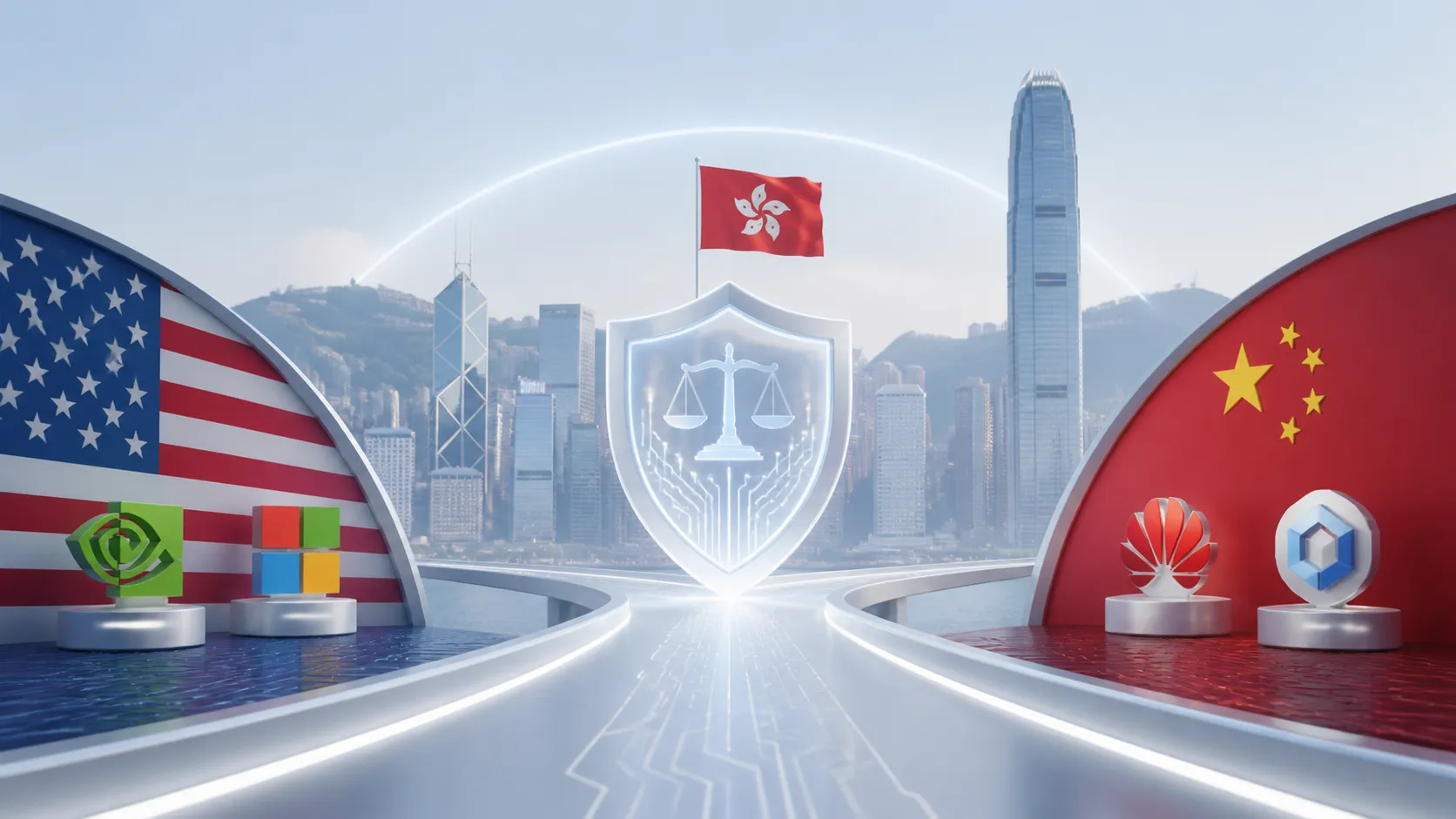
Hong Kong now faces a pivotal choice. As US-China AI decoupling intensifies, the city can position itself as a trusted intermediary—adopting smart, interoperable governance that attracts global talent and investment without picking sides in a techno-nationalist war.
The Self-Defeating Logic of Techno-Nationalism
Anthropic’s predicament is not an isolated misstep. It reveals a structural weakness in export control regimes built for atoms, not bits. When Washington restricts model access, it assumes software can be embargoed like hardware. But AI models are intangible; they leak through research papers, open-source repositories, and cross-border collaborations.
Dr. Tong notes that the market realignment over the past week starkly captures this self-defeating logic. By forcing nations to build alternatives, export controls fragment the global AI ecosystem, creating parallel stacks that are less safe, less interoperable, and harder to govern.
Anthropic’s own history illustrates the trap. The company actively lobbied for stricter cross-border limits, helping to shape the very framework that now constrains its operations. This irony is not lost on industry observers, who see a cautionary tale for any firm that ties its fortunes to geopolitical maneuvering.
Hong Kong’s Regulatory High Road
Amid the decoupling, Hong Kong can chart a different course. Its unique legal system, deep financial markets, and robust data protection regime offer a foundation for AI governance that is neither Beijing’s nor Washington’s. By crafting rules that emphasize transparency, accountability, and cross-border data flows, the city can become a neutral hub for AI development.
Dr. Tong argues that Hong Kong’s strength lies in its ability to bridge worlds. The city already hosts world-class universities and a growing deep tech sector. With the right regulatory posture, it can attract researchers and startups fleeing the binary choice between US and Chinese spheres.
The key is interoperability. Instead of mirroring export controls, Hong Kong could adopt technical standards that facilitate model evaluation and safety testing across jurisdictions. This would lower compliance costs and make the city a natural sandbox for global AI collaboration.
Critics warn that Hong Kong’s autonomy is eroding, but Dr. Tong sees opportunity in crisis. The city’s future depends on leveraging its remaining advantages—rule of law, free flow of information, and international connectivity—to build a governance model that others might follow.
As the US and China retreat into their respective silos, the world needs a third space for AI innovation. Hong Kong can fill that void, but only if it acts before the window closes.