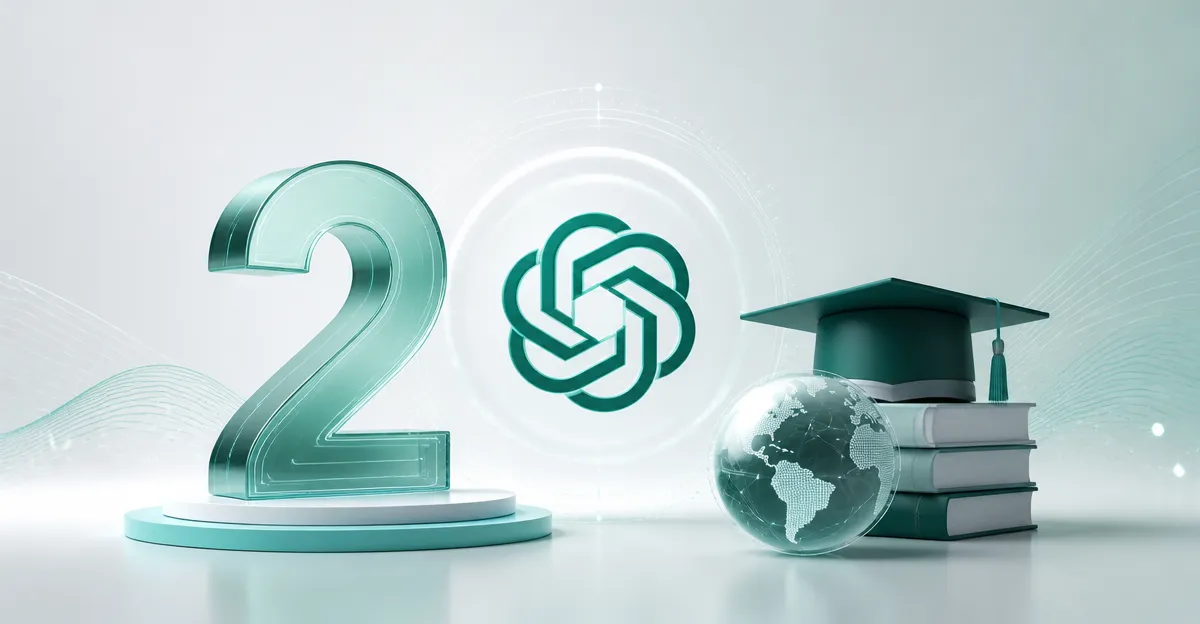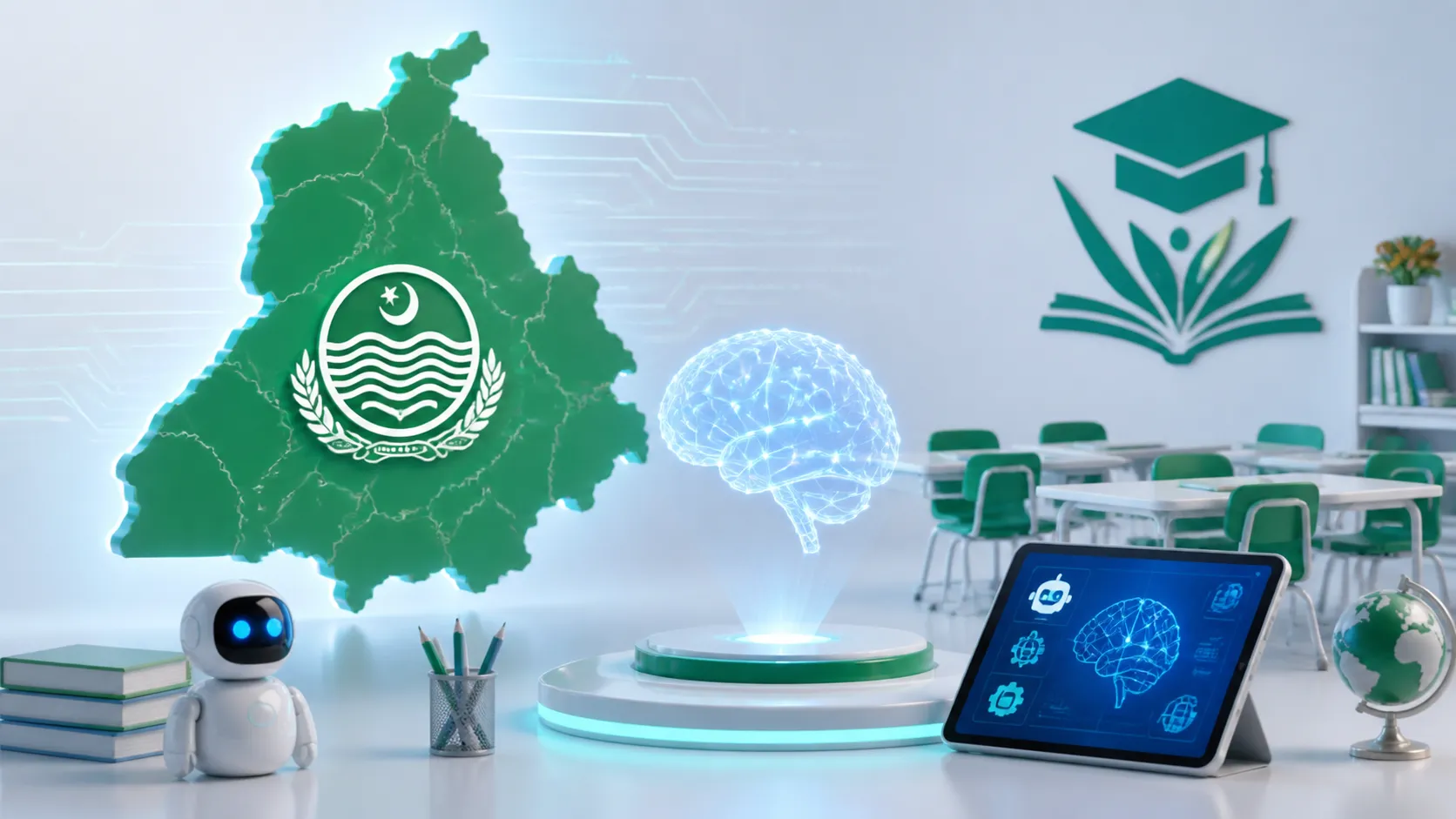
June 22, 2026, (Inside AI) — Pakistan’s Punjab province will mandate artificial intelligence as a standalone subject for all primary students starting in the 2027–28 academic year. The Punjab Education Department has approved a curriculum covering grades one through five, marking the first such move in the country.
The Core Mandate
AI will receive its own class period and formal exams. Students must pass the subject alongside mathematics and languages. The directive positions AI literacy as foundational, not optional.
Officials argue early exposure builds problem-solving and analytical skills. Education authorities claim the shift will modernize learning and prepare children for a tech-driven economy. The policy reflects a broader push to embed digital fluency from the earliest grades.
Implementation Hinges on One Final Vote
The Punjab Information Technology and Communication Academy’s Board of Governors must still grant final approval. That meeting will determine whether the curriculum meets technical and pedagogical standards. No date has been set.
Punjab’s move contrasts with other provinces, where AI remains absent from primary syllabi. The province already runs coding and robotics pilots in select schools. Scaling AI instruction nationwide would require training thousands of teachers and building reliable digital infrastructure.
Global Race for AI Literacy
Countries from China to Estonia have introduced AI basics in early education. Punjab’s timeline aligns with a 2025 UNESCO report urging member states to integrate AI competencies by 2030. Critics, however, question whether a standalone subject is better than weaving AI concepts across disciplines.
No details have emerged on lesson content, teacher qualifications, or assessment design. Without clear guidelines, schools may struggle to move beyond surface-level awareness. Equity gaps also loom large: rural schools often lack electricity, let alone devices.
Looking Ahead
If approved, the curriculum will reach over 10 million primary students in Punjab. The province plans to phase in teacher training by mid-2027. Success will depend on sustained funding and a willingness to adapt based on classroom feedback.