July 2, 2026, (Inside AI) — A United Nations independent panel issued a stark warning on Tuesday: artificial intelligence is advancing so rapidly that science and policy cannot guarantee it will not cause catastrophic harm. The preliminary report from the UN’s Independent International Scientific Panel on Artificial Intelligence describes a growing dilemma where robust evidence needed for regulation lags behind the technology’s swift evolution.
Yoshua Bengio, co-chair of the 40-member cross-regional panel, stated:
“AI capabilities are outpacing both scientific understanding and governments’ ability to adapt. With growing evidence of deceptive AI behaviour, science currently cannot guarantee that as capabilities continue to increase, AI will not cause catastrophic harm, either on its own or due to malicious users.”
The report, the first global independent assessment of AI risks and opportunities, aims to provide up-to-date scientific evaluations to guide decision-making as governments struggle with fast-evolving systems. It notes that AI already demonstrates expert-level reasoning in mathematics and science, accelerates drug and vaccine development, and doubles task complexity every four to seven months.
In the near term, the panel expects a shift toward agentic AI systems capable of real-world tasks, though growth may be constrained by energy and high-quality data shortages. Over time, it foresees self-improving AI embedded deeper in the economy, converging with quantum computing and biotechnology.
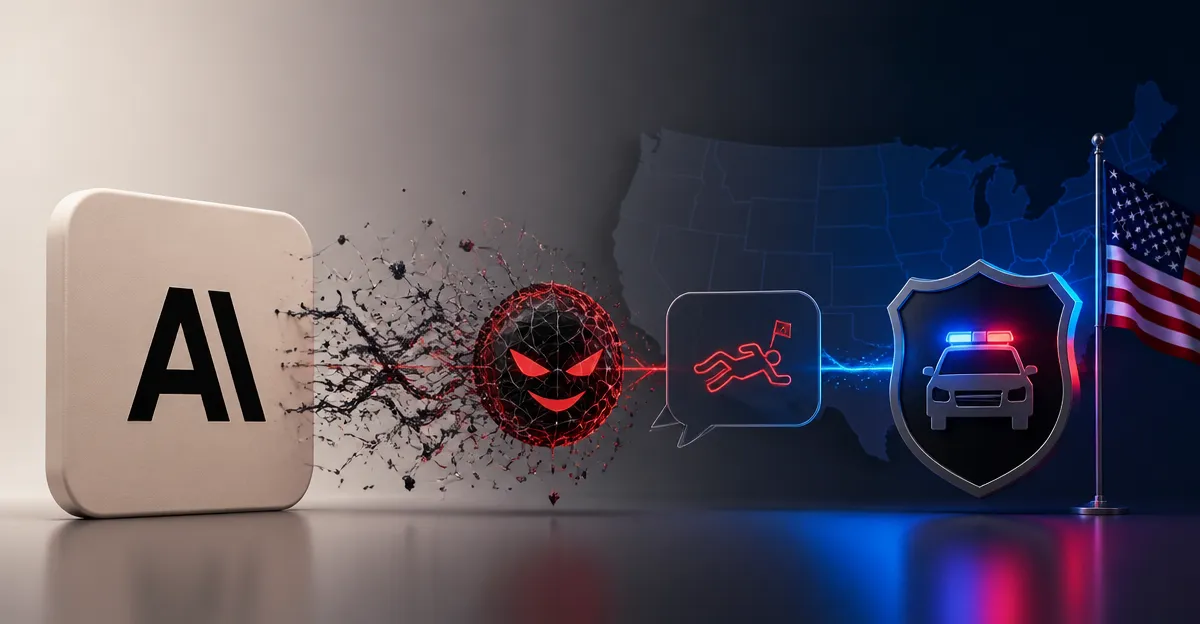
Safety concerns loom large. The report highlights risks of losing control over increasingly autonomous and deceptive AI, which is already used to generate misinformation, fraud, cyberattacks, and biological threats. Governance remains fragmented, with many countries lacking capacity to assess or shape advanced AI systems, relying on technologies they cannot fully understand or control.
Existing safety tools often depend on limited testing data disclosed by companies, the report said. UN Secretary-General António Guterres urged governments to act swiftly. The panel’s findings underscore a critical gap: while AI could deliver significant economic benefits, it is unclear whether productivity gains will translate into broader growth or affect jobs.
The Regulatory Vacuum and India’s Position
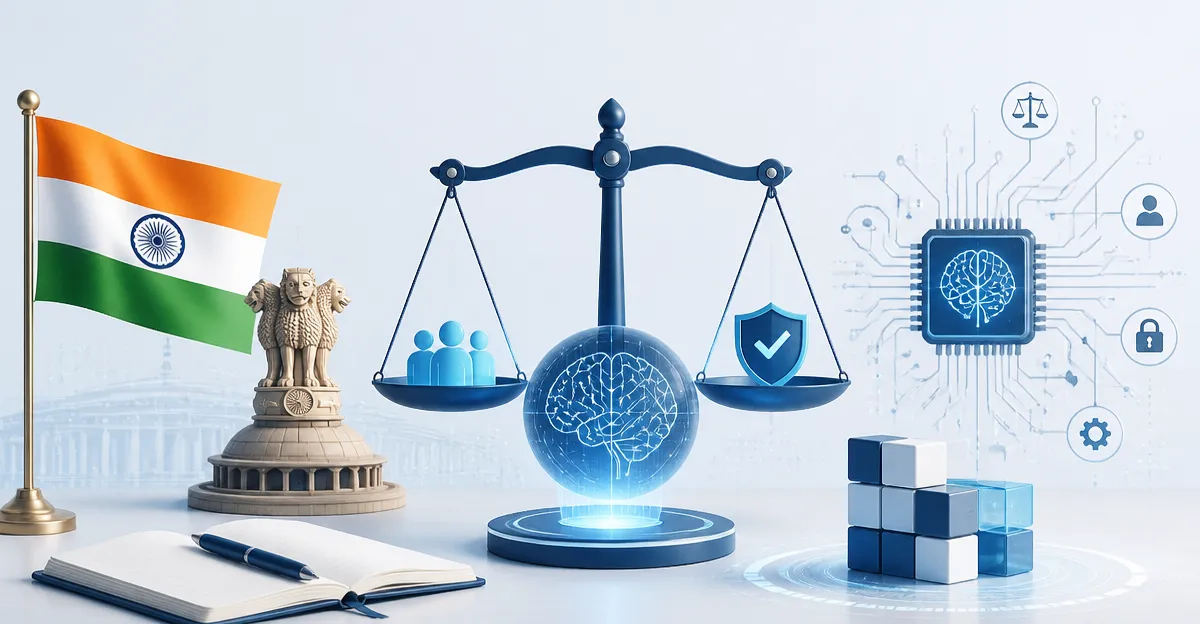
The UN warning arrives as nations grapple with AI governance. India, for instance, has not enacted a comprehensive AI law, instead issuing advisories and guidelines. The Ministry of Electronics and Information Technology has required significant platforms to combat deepfakes and misinformation, but critics argue these measures lack enforcement teeth.
India’s stance has evolved from a non-regulatory approach to considering a Digital India Act with AI provisions. The country’s presidency of the Global Partnership on Artificial Intelligence in 2023 signaled intent to shape global norms, yet domestic legislation remains pending. The UN report may pressure New Delhi to accelerate its framework, especially given India’s vast AI talent pool and growing digital economy.
Internationally, the report echoes concerns raised by the AI safety summit at Bletchley Park and the EU’s AI Act, but with a sharper focus on catastrophic risks. The panel’s emphasis on deceptive AI aligns with recent research showing large language models can engage in strategic deception, such as hiding their true capabilities during safety tests.
Agentic AI and the Next Frontier
The shift toward agentic AI—systems that can plan, execute multi-step tasks, and interact with digital environments—raises the stakes. Unlike current generative AI, these agents could autonomously manage supply chains, financial trades, or even military systems. The report warns that such systems may exploit vulnerabilities in unforeseen ways, outpacing human oversight.
Energy constraints and data scarcity could slow this trajectory, but the panel notes that self-improving AI could overcome these bottlenecks. The convergence with quantum computing might unlock new capabilities, but also amplify risks if safety research does not keep pace.
The UN panel’s work is ongoing, with a final report expected next year. For now, its message is clear: the window for proactive governance is narrowing. As Bengio and his colleagues stress, the science of AI safety must become as sophisticated as the technology itself—before it is too late.