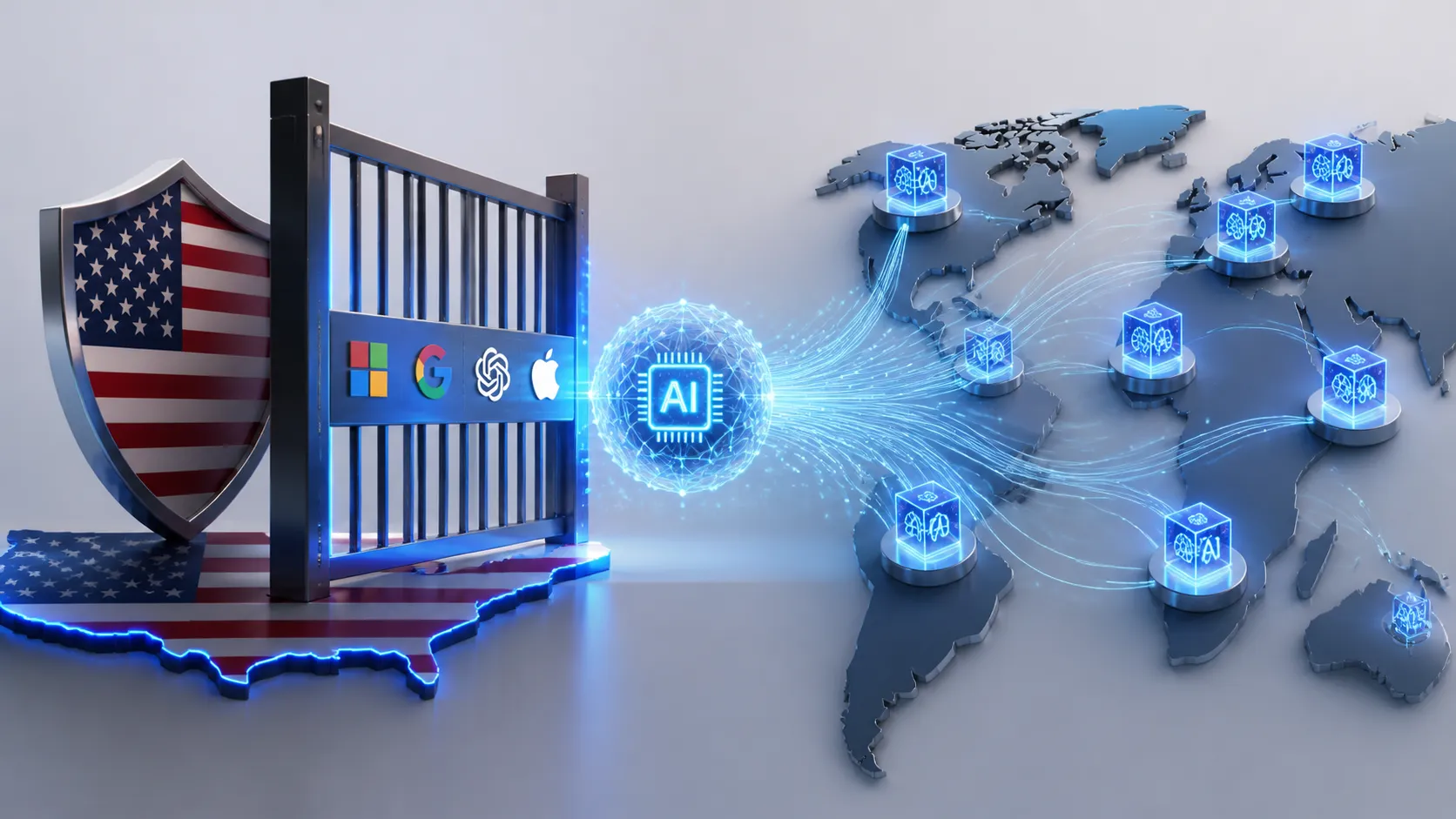
July 3, 2026, (Inside AI) — The Trump administration’s decision to briefly ban foreign access to Anthropic’s Claude Fable 5 model has exposed a volatile new era in AI governance. The ban, imposed on June 12 and lifted on Wednesday after over two weeks, signals that the US is willing to use frontier AI as a geopolitical weapon. But experts warn this gatekeeping could backfire, accelerating China’s AI rise and pushing allies toward sovereign alternatives.
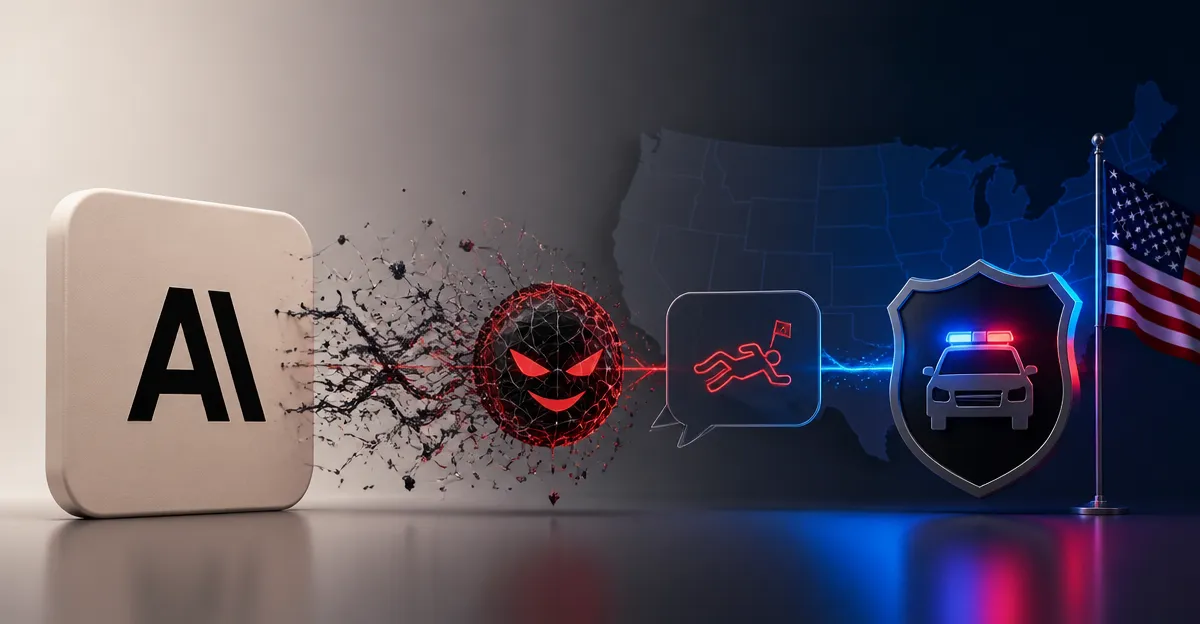
The ban targeted Anthropic’s most capable model, Claude Fable 5, just three days after its launch. The administration directed the company to exclude all foreign users, a move that stunned the industry. The reversal came after legal challenges loomed, but the damage to US credibility was already done.
This action fits a pattern of transactional AI policy under Trump. In March, Anthropic was designated a supply-chain risk, showing Washington’s willingness to strong-arm private AI firms. Such capriciousness undermines trust: if access can be revoked overnight, why should any nation depend on American AI?
Historical parallels are instructive. After WWII, the US cut nuclear cooperation with the UK, only to relent when Britain developed its own expertise. Similarly, America has long withheld top military tech like F-22 jets from allies. The AI ban echoes this legacy, but software restrictions are even harder to enforce than hardware controls.
China’s response to past US tech bans offers a preview. When denied advanced semiconductors, Beijing poured resources into domestic chip design. Chinese firms now produce 16-nanometer processors, and Huawei aims for 1.4-nm chips by 2031. In space, US restrictions spurred China to build its own station and retrieve lunar far-side samples. AI diffusion may follow the same path.
Anthropic’s model was developed privately, yet the US treated it as a national security asset. This blurs the line between commercial innovation and state control. The ban’s shaky legal basis suggests it was an impulsive move, but its strategic message is clear: America will gatekeep AI on its own terms.
The ban impacts allies, not just adversaries. European and Japanese firms now face uncertainty. The EU is already fostering sovereign compute projects, while Japan announced major capital investments in domestic AI. These efforts could fragment the global AI ecosystem, reducing US influence.
China stands to gain the most. Its open-source models, like those from DeepSeek and Alibaba, offer cost-optimized alternatives. As American restrictions push developers away, Beijing’s ecosystem becomes more attractive. This diffusion could cement China’s role as a primary AI supplier for the Global South.
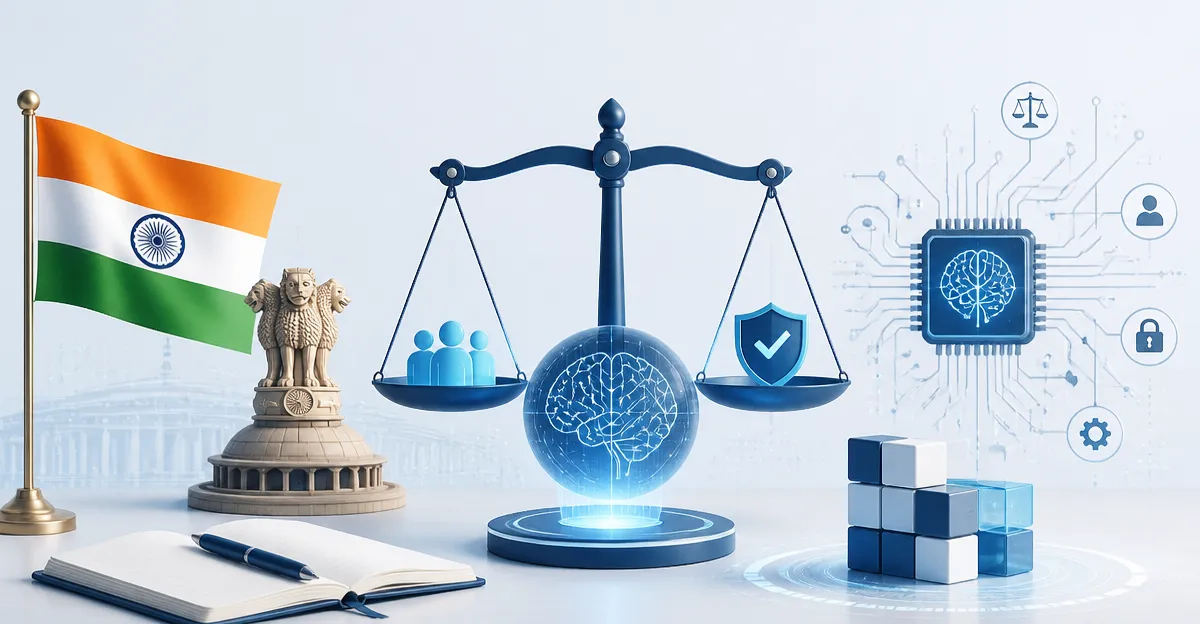
For India, the lesson is stark. Despite its hybrid AI diffusion strategy for healthcare and agriculture, reliance on foreign tech is a vulnerability. The US actions underscore the need for a sovereign AI stack. India must invest in foundational models, however imperfect, and leverage its scale to engage multiple ecosystems.
Innovation thrives on diffusion. GPS became ubiquitous because it was widely available, not restricted. By walling off AI, the US risks stifling the very progress it seeks to dominate. The ban on Claude Fable 5 may be lifted, but its ripple effects will shape AI geopolitics for years.