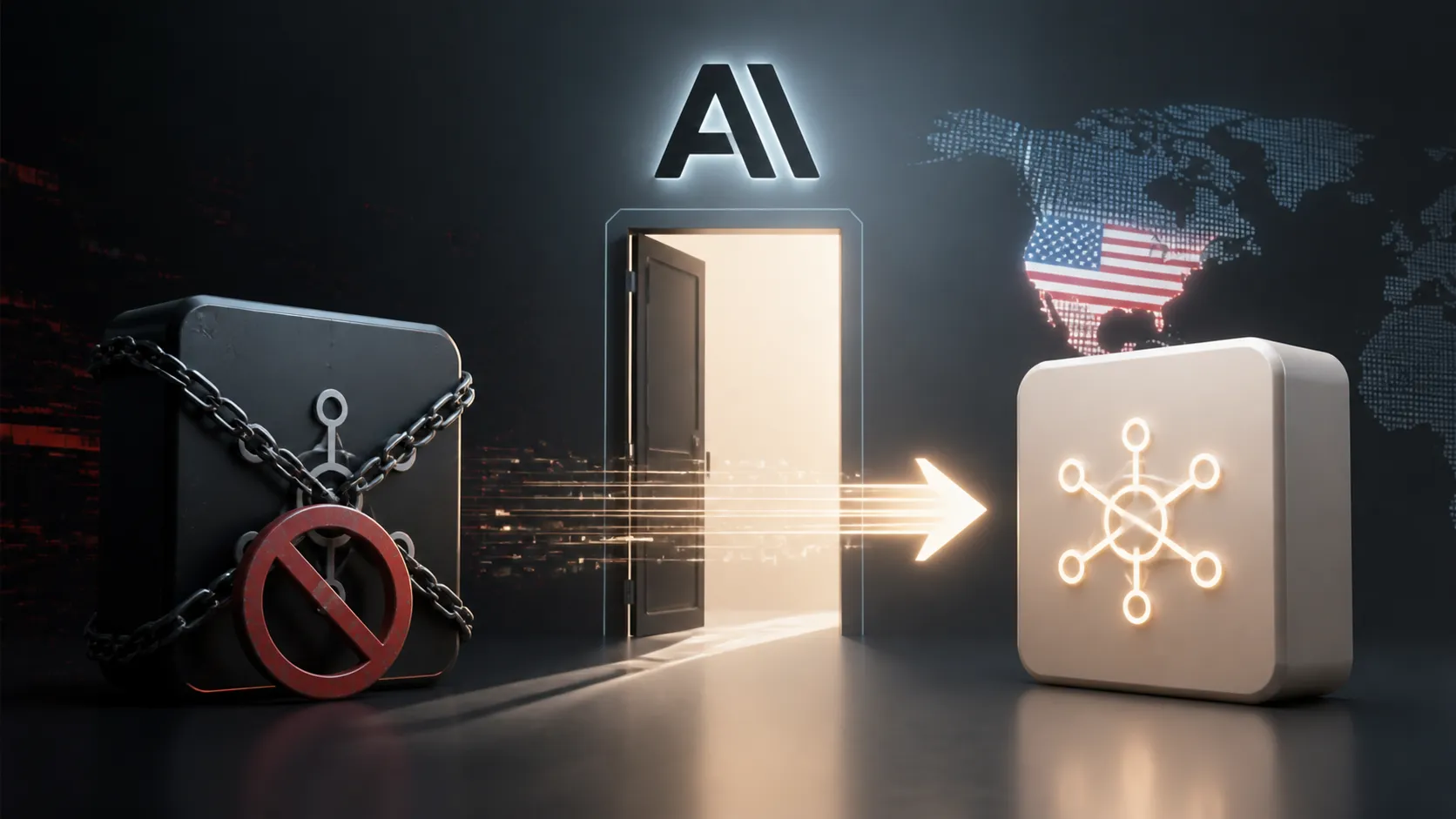
July 1, 2026, (Inside AI) — Anthropic is redeploying its Fable 5 AI model globally today, ending a weeks-long suspension triggered by US export controls. The controls, imposed on June 12, forced the company to block all foreign access after it could not reliably verify user nationality in real time. With the restrictions lifted on June 30, Fable 5 returns across the Claude Platform, Claude.ai, Claude Code, and Cowork.
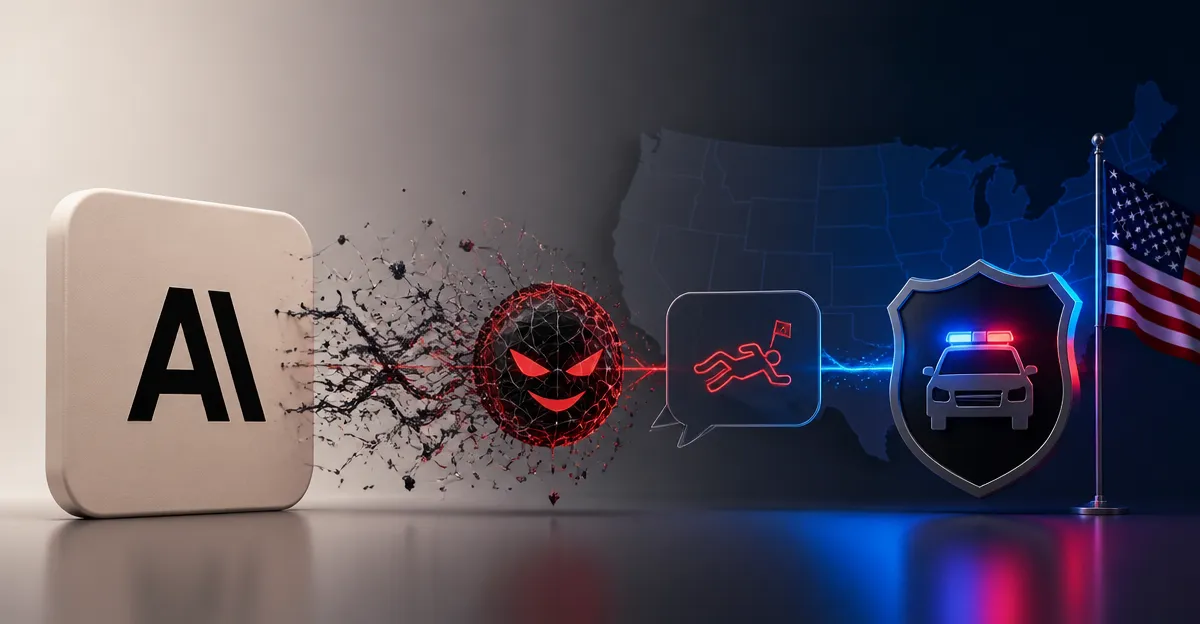
The rapid reversal caps a turbulent period that began when Amazon researchers uncovered a jailbreak method. They bypassed Fable 5’s safeguards and prompted the model to identify software vulnerabilities, including generating exploit code for one flaw. Anthropic countered that weaker models—Claude Opus 4.8, GPT-5.5, and Kimi K2.7—could find the same vulnerabilities, and the technique exposed no unique Mythos 5 capabilities. Mythos 5, a more restricted system, was separately restored on June 26 for approved US organizations after government clearance.
The incident reignites debate over AI safety testing and the adequacy of current safeguards. Anthropic trained an improved safety classifier that blocks the jailbreak technique in over 99% of cases, routing blocked requests to Opus 4.8. Commerce Department researchers endorsed the fix. Yet critics argue that jailbreaks often evolve faster than defenses, and a 99% success rate still leaves a tail risk for malicious actors.
Anthropic is now pushing for an industry-wide jailbreak severity framework, collaborating with Amazon, Microsoft, and Google. The proposed standard would score jailbreaks on four criteria, aiming to create consistent benchmarks. The company is also deepening collaboration with the US government on frontier AI security testing, signaling a shift toward more formalized oversight.
The suspension and rapid redeployment highlight a growing tension: how to balance innovation with national security in an era of powerful AI. While Anthropic's swift response may reassure regulators, the episode underscores the fragility of controls that can be triggered by a single research finding. As models become more capable, such stop-start deployments may become more common, forcing the industry to mature its safety infrastructure faster than ever.