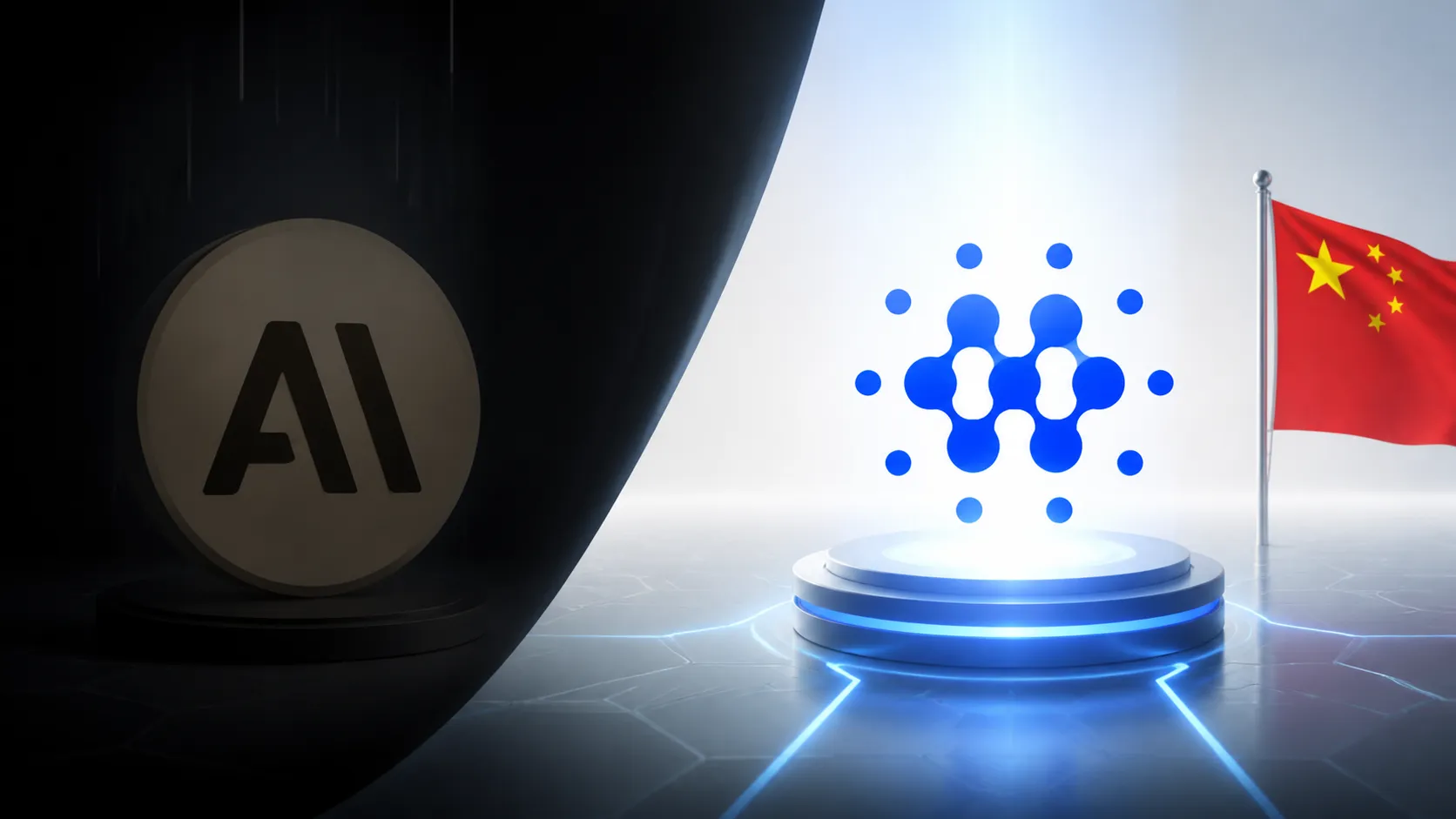
June 23, 2026, (Inside AI) — Anthropic’s global shutdown of its Claude Fable 5 model on June 12 has exposed cracks in the reliability of US AI infrastructure, sending shockwaves through the developer community and emboldening Chinese competitors. The blackout, triggered by a US government order blocking foreign access over jailbreaking fears, left businesses scrambling and reignited debate over AI as a geopolitical weapon.
Just one day after the suspension, Beijing-based Zhipu AI seized the moment, launching its flagship GLM-5.2 model. Founder Tang Jie called the US move “deeply regrettable” on X, touting his model’s fully open nature—a stark contrast to Anthropic’s forced retreat. The timing was no coincidence: Zhipu had been preparing the release, but the blackout gave it a global stage.
The outage’s ripple effects were immediate. Developers in Europe, India, and Southeast Asia reported broken applications, while enterprises questioned their dependency on US-controlled AI. “I think the Zhipu rally tells you the market immediately understood the opening that Anthropic just created,” said Lizzi Lee, a fellow on the Chinese economy at the Asia Society Policy Institute’s Centre for China Analysis.
Fable 5, unveiled on June 9 as the public face of Anthropic’s powerful Claude Mythos model, was widely considered the world’s most advanced AI. But Washington's restrictions, citing vulnerability to jailbreaking, forced Anthropic to disable it globally rather than screen users by nationality. The company said it disagreed with the approach and was working to restore access.
The episode has accelerated a reckoning over AI sovereignty. While US frontier models still hold a technological lead, the blackout highlighted the risks of centralized control. Open-source alternatives from China, long viewed with skepticism, are now getting a second look. Zhipu's GLM-5.2, with its permissive licensing and competitive benchmarks, is positioned to fill the void.
Industry analysts note that the US restrictions may backfire. By pushing developers toward Chinese models, Washington could inadvertently strengthen Beijing’s AI ecosystem. Zhipu’s launch, coupled with aggressive outreach to international developers, suggests a strategic pivot to exploit the gap.
Anthropic’s silence on a timeline for Fable 5’s return has only deepened uncertainty. Meanwhile, other Chinese firms like 01.AI and Moonshot AI are reportedly accelerating their open-source roadmaps. The blackout has become a stress test for the global AI supply chain, exposing how quickly dependency can become a liability.
The fallout extends beyond code. Geopolitical tensions are now directly shaping AI access, with models treated as strategic assets. For developers, the lesson is clear: diversifying AI stacks isn’t just prudent—it’s becoming essential. Zhipu’s rise may be the first of many such shifts.