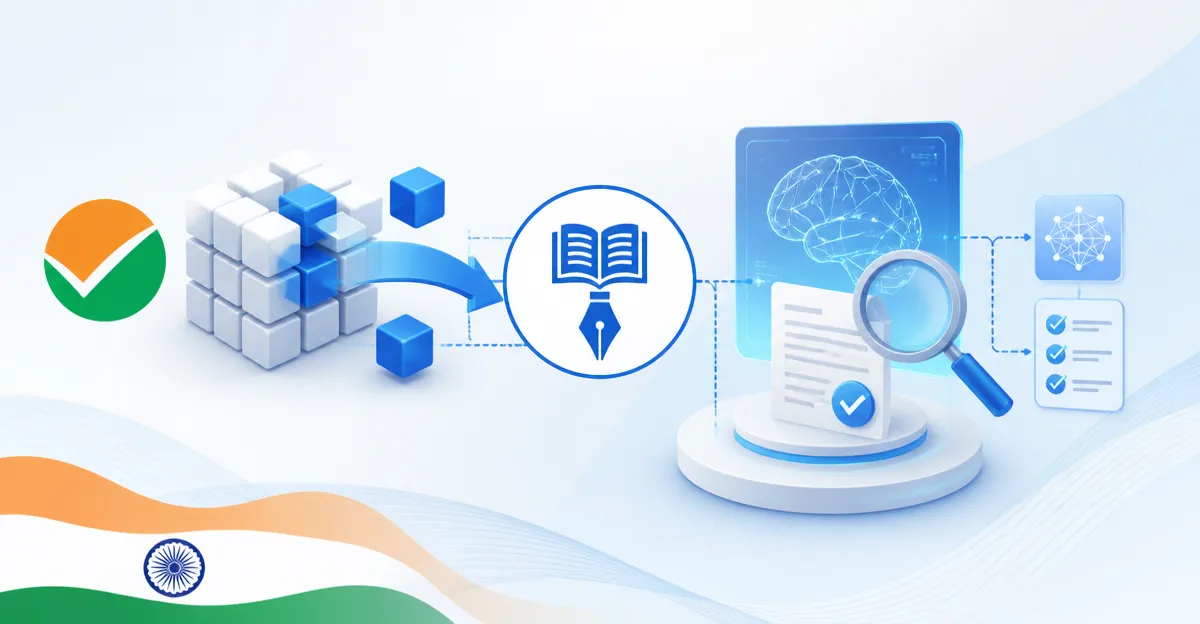
September 17, 2026, (Inside AI) — The National Testing Agency (NTA) has redefined the role of translators for its high-stakes examinations, shifting their focus from translating questions to reviewing and certifying AI-generated translations. The change, outlined in a recent Expression of Interest (EOI), aims to improve efficiency and security in translating exam papers from English into 13 Indian languages.
The NTA conducts major competitive exams like NEET, JEE Mains, CUET, and UGC-NET, which millions of students take annually. Under the new structure, an air-gapped AI-based translation platform deployed on NTA premises will handle the bulk of translation work. Human professionals, now called "translation reviewers," will then verify, correct, and certify the AI output. This two-part process is designed to maintain quality while leveraging automation.
The shift comes after a significant paper leak in the NEET UG exam earlier this year, which sparked protests and a CBI investigation. That probe revealed that a subject expert involved in setting the paper, Manisha Mandhare, had also translated it, highlighting vulnerabilities in the manual process. The NTA's restructuring aims to address these security gaps by limiting human access to full papers and randomizing the items reviewers see.
Translation reviewers will work under structured, monitored conditions in NTA's secure facility. They will see only individual items presented one at a time in a randomized order, with no view of the assembled paper. This measure is intended to prevent leaks and ensure that no single individual can compromise the entire exam. The NTA's EOI explicitly states that the role differs from the conventional translator position, emphasizing the need for skills in identifying linguistic, technical, scientific, or contextual errors in AI-generated translations.
Read: Govt Schools to Train Grades 8-10 Students in AI With Google Gemini
The use of an air-gapped AI platform means the system is isolated from external networks, reducing the risk of cyberattacks. This setup allows the NTA to process large volumes of translation quickly while keeping data secure. The AI handles the initial translation, and human reviewers then apply their expertise to catch nuances that machines might miss, such as cultural context or subject-specific terminology.
However, the move raises questions about the reliability of AI in high-stakes scenarios. While AI can process text rapidly, it may struggle with the intricacies of Indian languages, which often have diverse dialects and regional variations. Human oversight remains crucial, but the NTA's approach of showing reviewers only isolated items could limit their ability to ensure overall coherence. The agency has not detailed how it will handle disagreements between reviewers or how it will train them to work with AI outputs.
Critics argue that the NTA's focus on security might overshadow the need for accuracy. The paper leak incident showed that human factors are a major risk, but over-restricting access could lead to fragmented reviews. The NTA has not commented on how it will balance these concerns. The agency's EOI indicates that selected reviewers will be empanelled professionals, but it does not specify the selection criteria or the number of reviewers needed.
The NTA's restructuring reflects a broader trend in India's education sector, where technology is increasingly used to streamline processes. Other testing bodies are watching closely, as the NTA's experience could set a precedent for AI adoption in examinations. The success of this model will depend on the AI's performance and the reviewers' ability to work within the new constraints.
Read: India to Push for Global AI Governance Framework at BRICS Summit
As the NTA moves forward, it will need to address potential challenges, such as ensuring the AI platform can handle the linguistic diversity of India and maintaining the quality of translations. The agency's efforts to secure the process are commendable, but the real test will be in the upcoming exam cycles. Students and parents will be looking for assurances that the new system is both secure and fair.