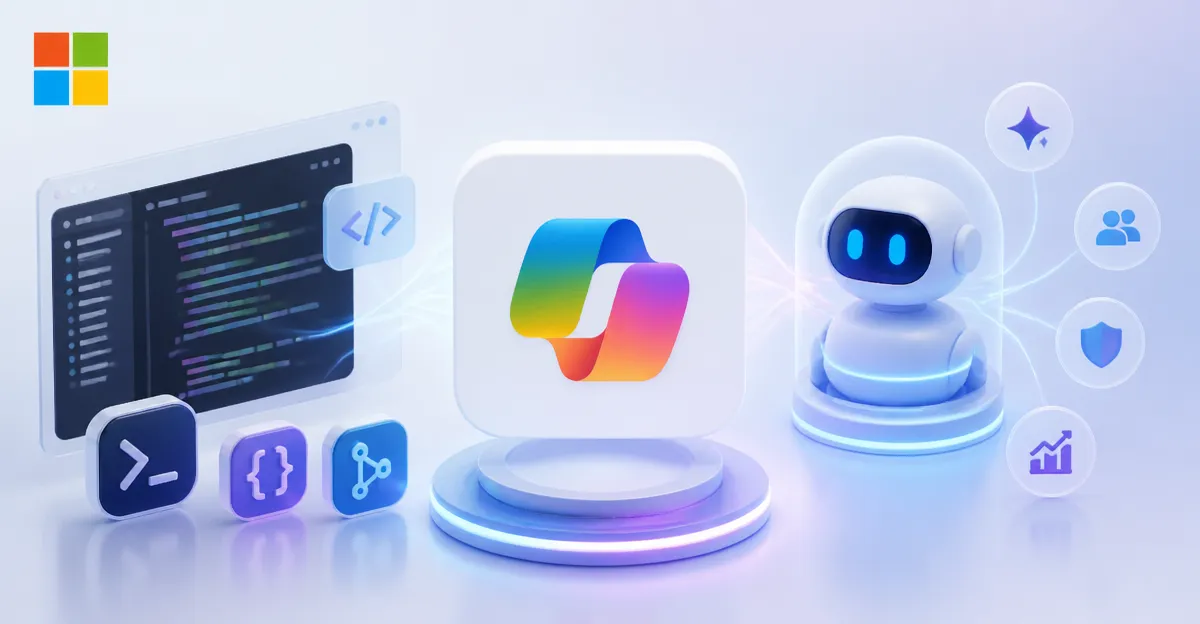
September 28, 2026, (Inside AI) — Microsoft has consolidated its Copilot AI offerings into a single "super app," merging chat, coding, and autonomous agent capabilities into one interface. The redesigned app, unveiled on September 25, marks the first time the company has combined consumer and commercial AI features in a single product. The move aims to reignite enterprise adoption after Copilot struggled to gain traction against rivals like OpenAI's ChatGPT and Anthropic's Claude.
The new Copilot app features three tabs: Home, Code, and Autopilot. The Home tab integrates features previously available in Copilot Chat and Cowork, including a forthcoming Today dashboard for emails, meeting requests, and Teams threads. The Code tab allows users to generate apps, trackers, and dashboards, then share them as cloud-hosted internal apps. It runs on the same models as GitHub Copilot and operates in a sandboxed environment for security. Autopilot, formerly known as Scout, is an always-on AI agent that functions as a "digital teammate," running tasks even when the user is offline.
Microsoft is positioning Copilot as the defining productivity tool for the AI era, similar to how Office 365 dominated the PC era. "Just as Office defined work for the PC era, the new Copilot is built to define it for the AI era," said Jared Spataro, chief marketing officer of AI at work at Microsoft.
The rollout will be gradual. The Home and Code tabs will reach participants in Microsoft's Frontier early-access program in the coming weeks. Autopilot enters private preview later this month, while the Code tab will be available in preview for Microsoft 365 Premium and Pro subscribers later this year. Pricing for Cowork, Code, and Autopilot will be usage-based, while standard Copilot licenses continue to cover Chat and integration in Word, Excel, PowerPoint, Outlook, and Teams.
Read: Anthropic Weighs New AI Model as OpenAI's GPT-6 Astra Gains Enterprise Ground
Autopilot distinguishes itself through enterprise-grade capabilities. "Autopilot lives in your tenant with its own identity, memory, computer, and workspace, and it's built on Microsoft IQ so it understands how your organization actually works. It shows up where people already work -- Teams, Outlook, chats, channels, and documents -- so you can @mention it like a colleague, with permissions, audit, and governance behind it," Spataro said.
Under the hood, Autopilot uses multiple AI models with an auto model picker to route tasks to the most suitable model. This approach mirrors similar multi-model strategies employed by other AI platforms, but Microsoft's integration with its identity and productivity suites gives it a unique advantage in enterprise environments.
The revamp comes as Microsoft faces intensifying competition in the AI assistant market. Despite early leads, Copilot has not achieved the consumer mindshare of ChatGPT or the developer loyalty of GitHub Copilot. By bundling coding and agentic capabilities, Microsoft hopes to appeal to businesses already invested in its ecosystem. The company has also recently created a new business unit to help large enterprises deploy tailored AI solutions, signaling a broader push into enterprise AI services.
Analysts note that the success of this super app will depend on execution and adoption. Microsoft's ability to leverage its existing enterprise relationships could be a decisive factor. However, usage-based billing for advanced features may deter some customers accustomed to flat-rate licensing. The private preview of Autopilot will provide early feedback, but broader availability is not expected until 2027.
Read: Employees Override AI Systems Even When They Work, Harvard Professor Says
Microsoft's move reflects a wider industry trend toward consolidating AI tools into unified platforms. As AI becomes more embedded in daily workflows, the battle for the enterprise desktop is shifting from individual apps to comprehensive ecosystems. Whether Copilot can become the "Office of the AI era" remains to be seen, but Microsoft is betting big on its integrated approach.