Shamil has a low tolerance for AI that only works in controlled demos. He covers agentic systems and generative AI with the skepticism of someone who has seen too many "revolutionary" tools quietly disappear six months after launch.
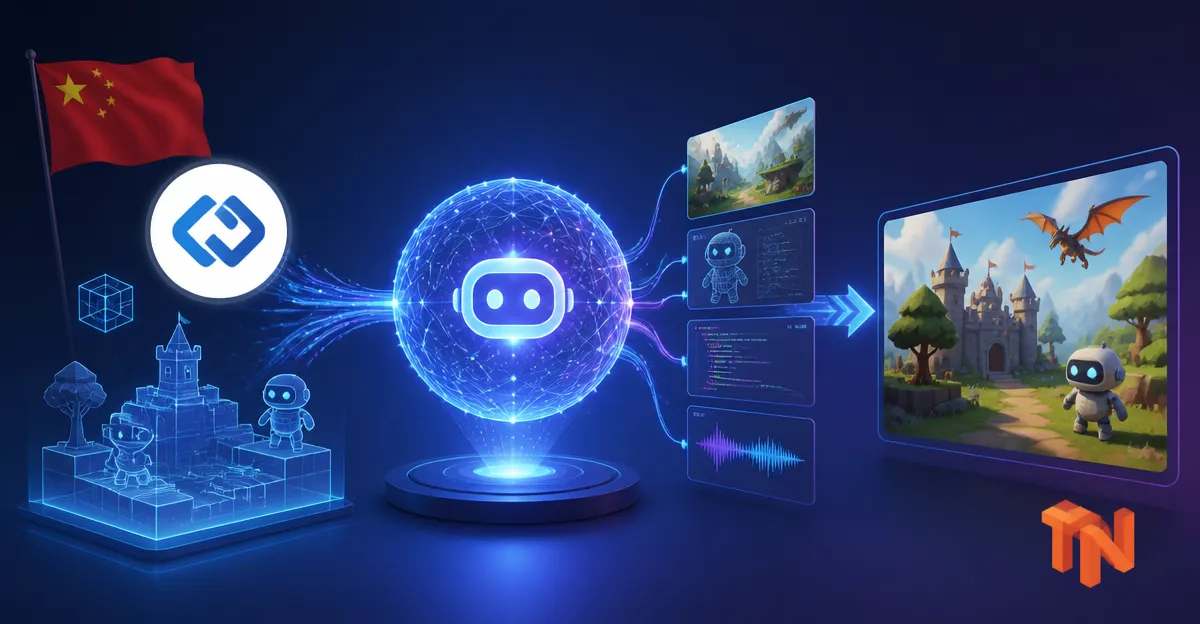
Chinese AI start-up ModelBest has kicked off its pre-IPO tutoring process with Citic Securities, aiming for a mainland listing next year by leveraging compact AI models that run locally on devices.
Mirage launched the first AI news network with synthetic anchors streaming live on X, raising urgent questions about trust and the future of journalism.
Hedge funds sharply increased short positions against AI-related stocks in July, according to Hazeltree, signaling a major sentiment shift as chipmaker shares plunged worldwide.
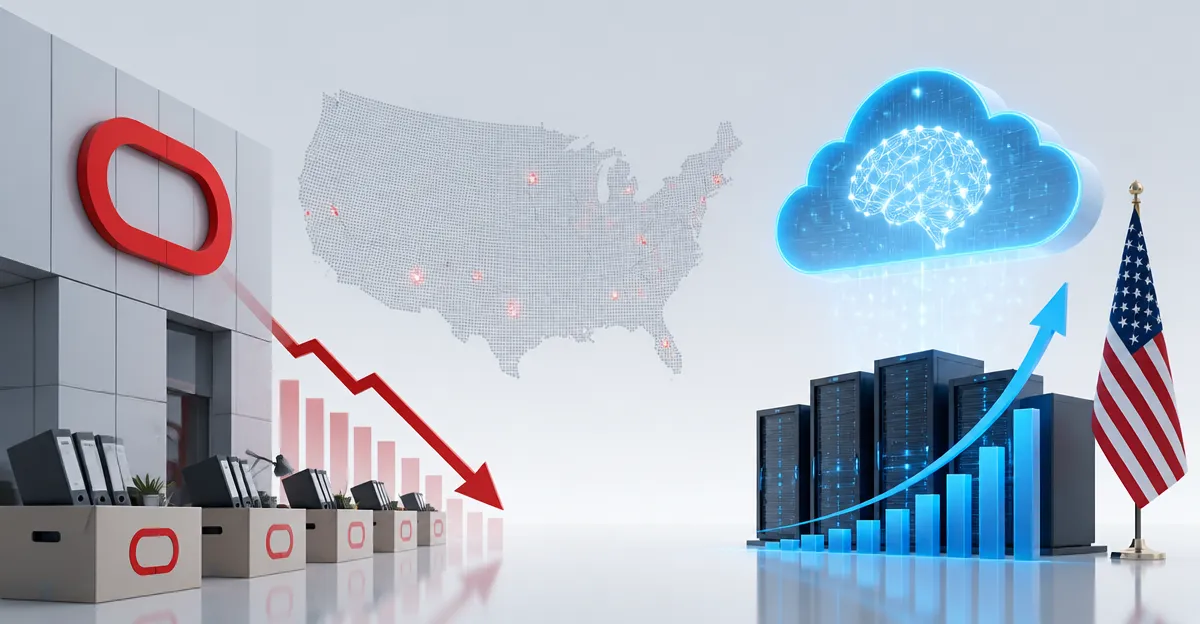
Oracle is planning a new wave of layoffs, with some teams facing double-digit cuts, as the company struggles to balance massive AI infrastructure spending with profitability.
Hong Kong is overhauling its stock benchmarks to capture AI infrastructure listings, with a wave of optical transceiver makers poised to reshape its market and challenge U.S. exchanges.
OpenAI's former COO Brad Lightcap is leaving to start a new venture, the latest in a series of executive departures as the company prepares for a potential IPO.
NVIDIA's Nemotron 3.5 Lightning, a 30B MoE model with 3B active parameters, is now deployable on AWS SageMaker JumpStart, targeting high-speed agent workloads.
AI tools are enabling strategy teams to generate 50 distinct market options in under an hour, challenging the limits of human cognitive bandwidth and reshaping how executives make decisions.
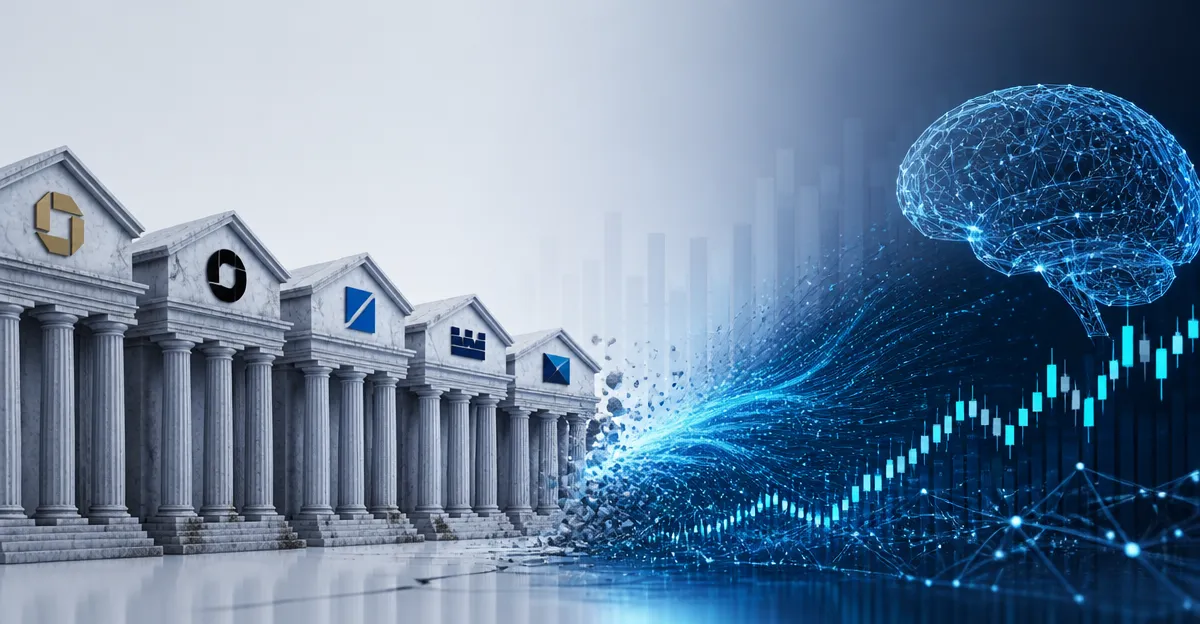
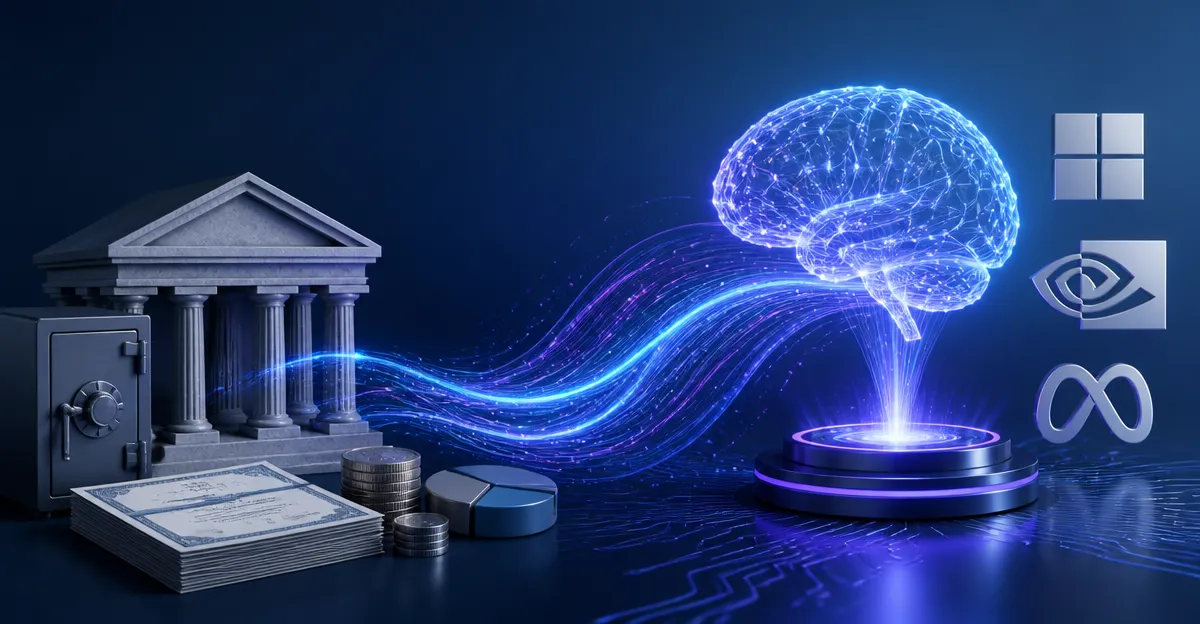
Nvidia has inked agreements with Apollo, BlackRock, Goldman Sachs and other financial giants to unlock over $500 billion for AI infrastructure, using its GPUs as collateral in a groundbreaking financing model.
Brad Lightcap, OpenAI's special projects lead, is leaving the company to start a new venture, adding to a series of high-level departures from the AI startup.
Nvidia teams up with six major banks to finance AI compute, while robot dogs take over night patrols at Atlanta apartments, marking a week of AI expansion into finance and physical security.
Alibaba introduces paid annual plans for its QwenWork AI office assistant, ranging from $29.60 to $220, signaling a monetization push in China's competitive AI market.
IBM and Together AI have signed a $240 million multi-year agreement to build a large-scale AI inference cluster on IBM Cloud using Nvidia Blackwell systems, targeting open-source model deployment.
A new study finds that AI's productivity gains will increase fossil fuel extraction far more than they help renewable energy, leading to a net rise in global carbon emissions.
An AI-generated song from Samay Raina’s show has racked up half a billion views, forcing a reckoning over authorship, taste, and whether the human element in music ever mattered.
Singapore’s GDP jumped 5.9% in Q2 2026, and the government raised its full-year forecast to 4.5%–5.5% as the global AI investment boom fuels exports and growth.
NVIDIA and six leading asset managers are forming independent financing platforms to mobilize over $500 billion for AI compute infrastructure, aiming to accelerate data center buildout amid surging demand.
Mark Zuckerberg's sprawling AI manifesto promises personalized agents for everyone, but critics label it a thinly veiled ad for Meta's open-source strategy.
OpenAI CFO Sarah Friar outlines a practical roadmap for building an AI-native finance function, highlighting a zero-day close, continuous forecasting, and the rise of finance professionals as tool builders.
OpenAI's new Premium tier for ChatGPT Business offers heavy users 5x more capacity and removes usage limits, with a promotional credit offer ending August 20.
As tech giants wage a multimillion-dollar war for AI talent, the most sought-after professionals are demanding more than just high salaries—they want compute power, data access, and ethical clarity.
Enterprise AI inference costs have fallen to a yearly low of $1.16-$1.18 per million tokens, driven by a global price war and the rise of Chinese open-source models like DeepSeek.
Mark Zuckerberg’s new manifesto argues the real AI danger is centralized power, not rogue agents, and proposes personal superintelligence through open-weight models.
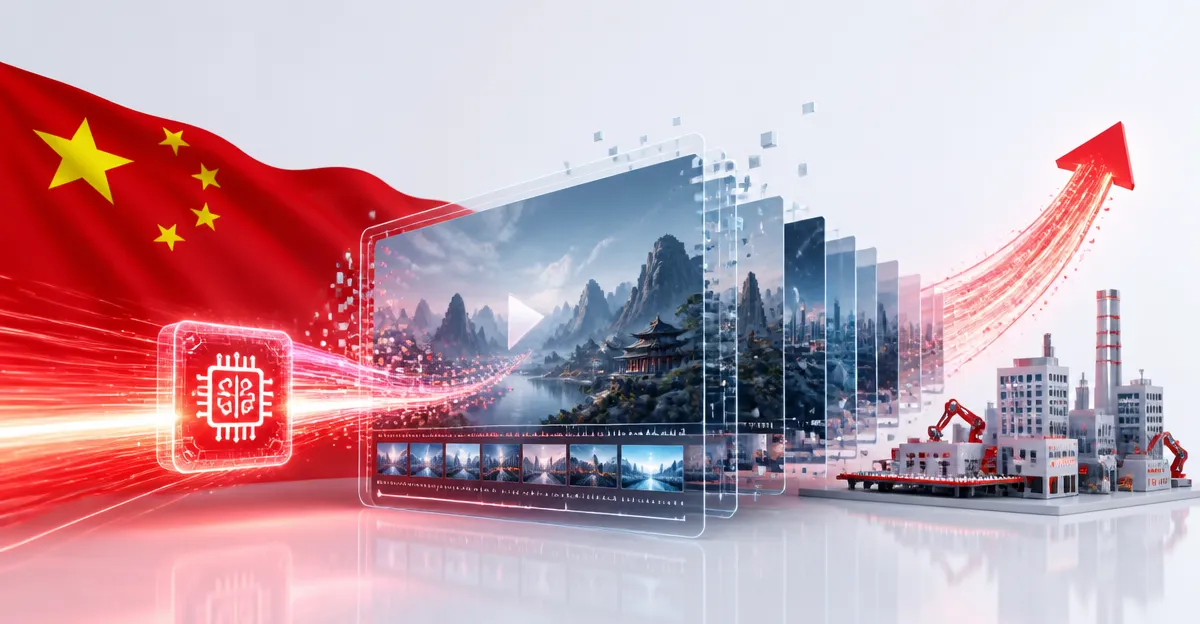
Shanghai's AgiBot shipped 8,400 humanoid robots in H1 2026, capturing 44% of the global market and surpassing Unitree as both companies race toward IPOs.
A short AI film depicting a zombie apocalypse during Singapore's National Day Parade has sparked intense debate, with creator Joel Boh revealing high audience retention despite criticism.
Medical students and residents using AI chatbots like OpenEvidence before developing their own clinical judgment risk a 'never-skilling' crisis that could undermine future patient care.
Meta releases Muse Glimmer, a compact open-weight model that brings agentic AI to consumer hardware, reigniting the open-source versus closed AI debate.