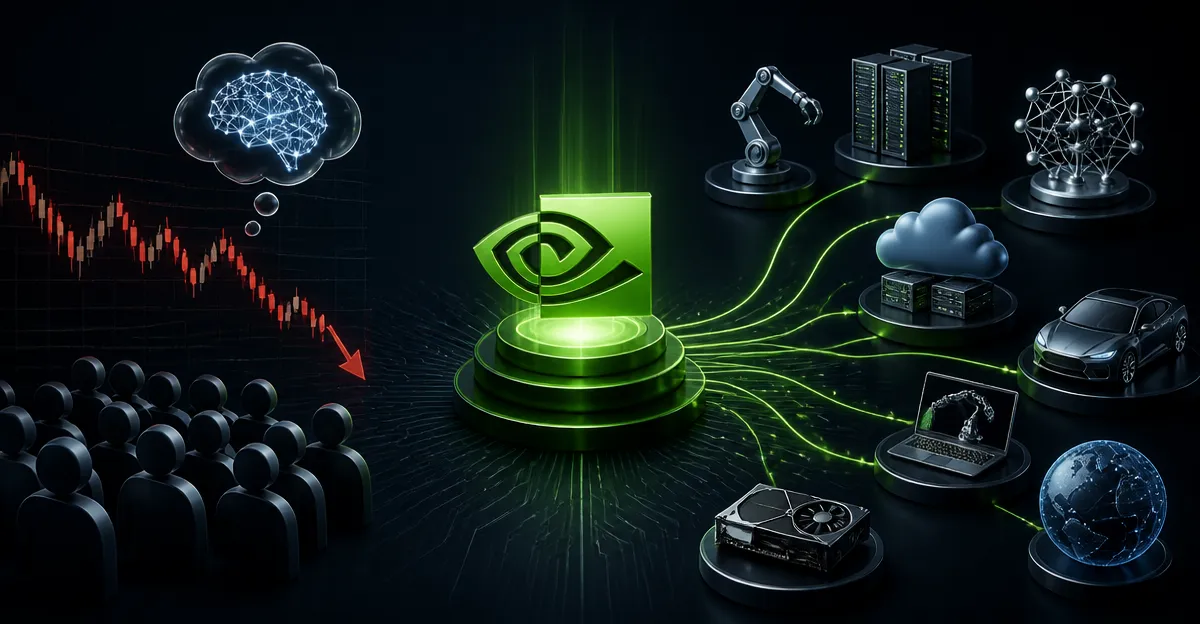
November 12, 2026, (Inside AI) — Nvidia shares fell as much as 10% in overnight trading and were down 8.5% at the Wall Street open on Thursday, as the company's board met to decide the fate of CEO Jensen Huang. The drop erased roughly $600 billion in market value this week alone, according to market data, marking one of the sharpest single-week declines for the world's most valuable chipmaker.
The selloff follows reports and speculation that Huang could be removed from his position. No formal announcement has been made, and the board has not confirmed any decision. The uncertainty itself has become the story: investors are pricing in the possibility that the architect of Nvidia's AI boom may no longer lead the company.
Nvidia declined to comment on the board deliberations. Inside AI could not independently verify the reports about Huang's status. The company's shares had already been under pressure this week amid broader concerns about AI spending and geopolitical tensions.
Why A CEO Change Shakes The AI Economy
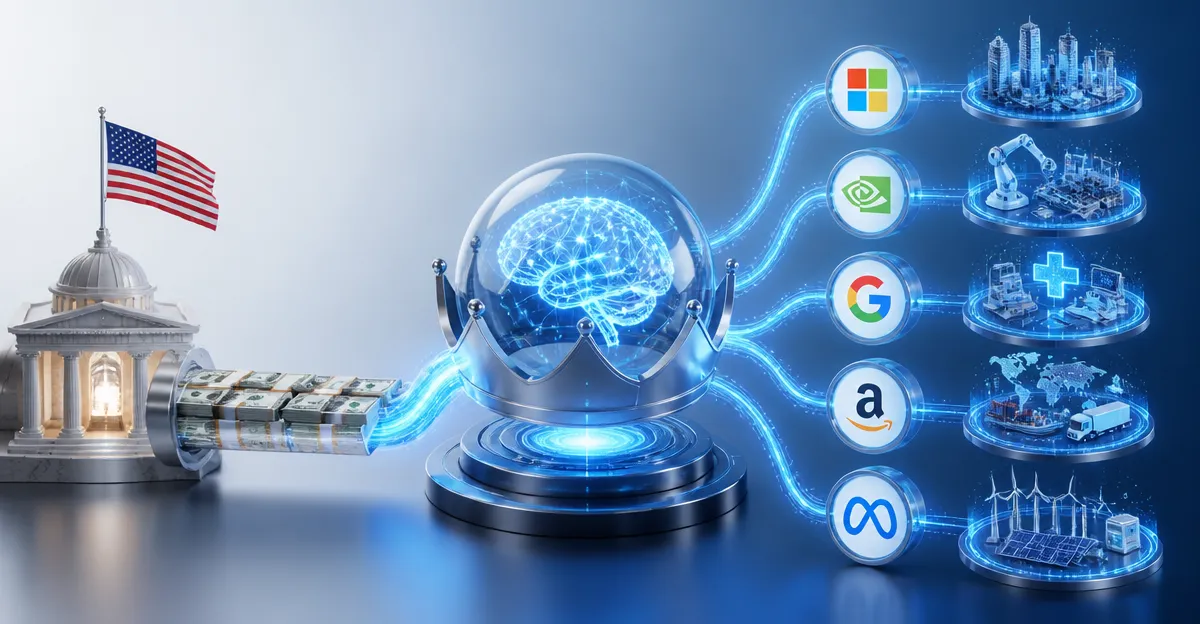
The stakes extend far beyond Nvidia's own balance sheet. The company's H100 and Blackwell chips power the majority of the world's large-scale AI training, and its market capitalization had surpassed $3 trillion earlier this year. A leadership vacuum at Nvidia would ripple through every sector that depends on its hardware, from cloud providers to autonomous vehicle developers.
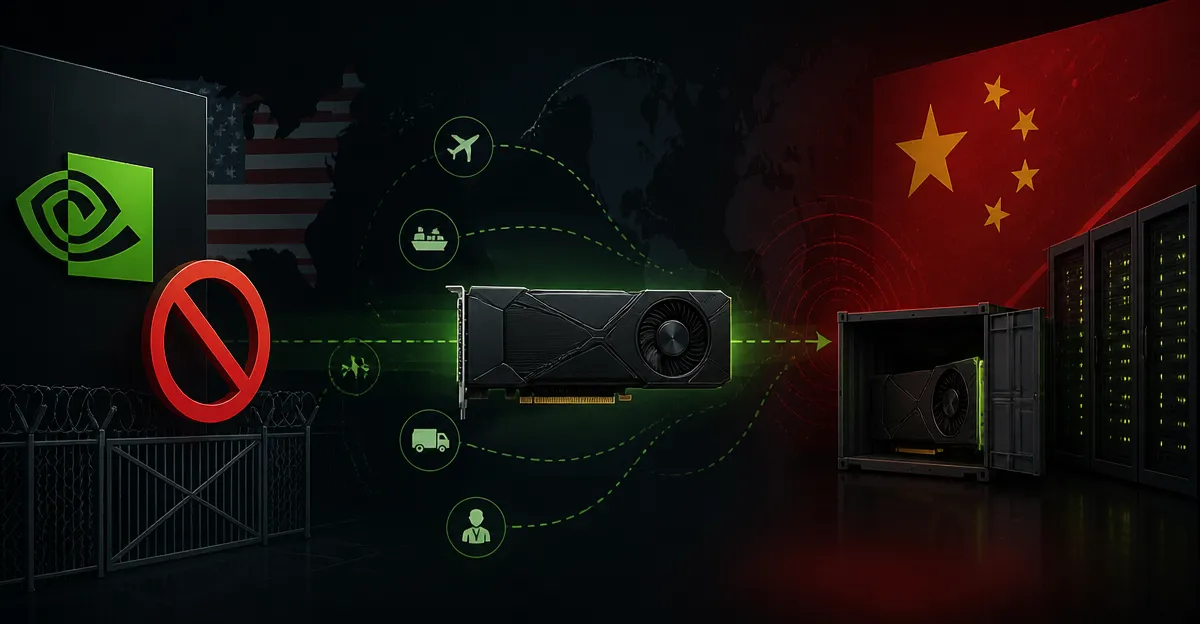
The board's decision comes amid unconfirmed allegations of espionage that have circulated in political circles this week. Those allegations have not been substantiated, and no charges have been filed. Still, they have added a layer of geopolitical risk to an already volatile situation.
Speculation has already turned to potential successors. Names circulating among analysts include several current Nvidia executives and external candidates with semiconductor experience. None have been confirmed by the company.
The market reaction reflects how tightly Nvidia's identity is bound to Huang. He co-founded the company in 1993 and has led it for three decades, transforming it from a graphics card maker into the central supplier of the AI era. His departure, if it happens, would be the most significant leadership change in the semiconductor industry since Pat Gelsinger took over at Intel in 2021.
Nvidia's board has historically been loyal to Huang, and any move to replace him would require a significant shift in internal dynamics. The company's bylaws give the board broad authority over CEO succession, but no public timeline for a decision has been disclosed.
Analysts at several major banks have already begun adjusting their models for a post-Huang Nvidia. The company's competitive moat rests not just on its chips but on its CUDA software ecosystem, which has been built over more than a decade under Huang's direction. Whether a successor could maintain that ecosystem's dominance is an open question.
The broader AI sector has also felt the tremors. Shares of other chipmakers and AI-focused companies dipped in sympathy with Nvidia's decline, though none matched its scale. The Philadelphia Semiconductor Index fell 3.2% in early trading.
Inside AI's analysis: The market's violent reaction to unconfirmed reports reveals a structural vulnerability in the AI trade. Nvidia's valuation has been built on a single leader's vision and execution. Even if Huang survives this board meeting, the episode demonstrates that investors have not priced in key-person risk at the company that anchors the entire AI supply chain. Boards across the sector may now face pressure to formalize succession plans, a move that could paradoxically stabilize valuations by reducing uncertainty.
Political reaction has been muted so far. Lawmakers who have previously commented on Nvidia's export controls and antitrust posture have not issued statements on the board deliberations. The White House declined to comment.
Nvidia's next scheduled earnings call is in February 2027, but the board could issue a statement before then. Until then, the company's shares are likely to remain volatile as investors parse every signal from Santa Clara.

Shamil has a low tolerance for AI that only works in controlled demos. He covers agentic systems and generative AI with the skepticism of someone who has seen too many “revolutionary” tools quietly disappear six months after launch.