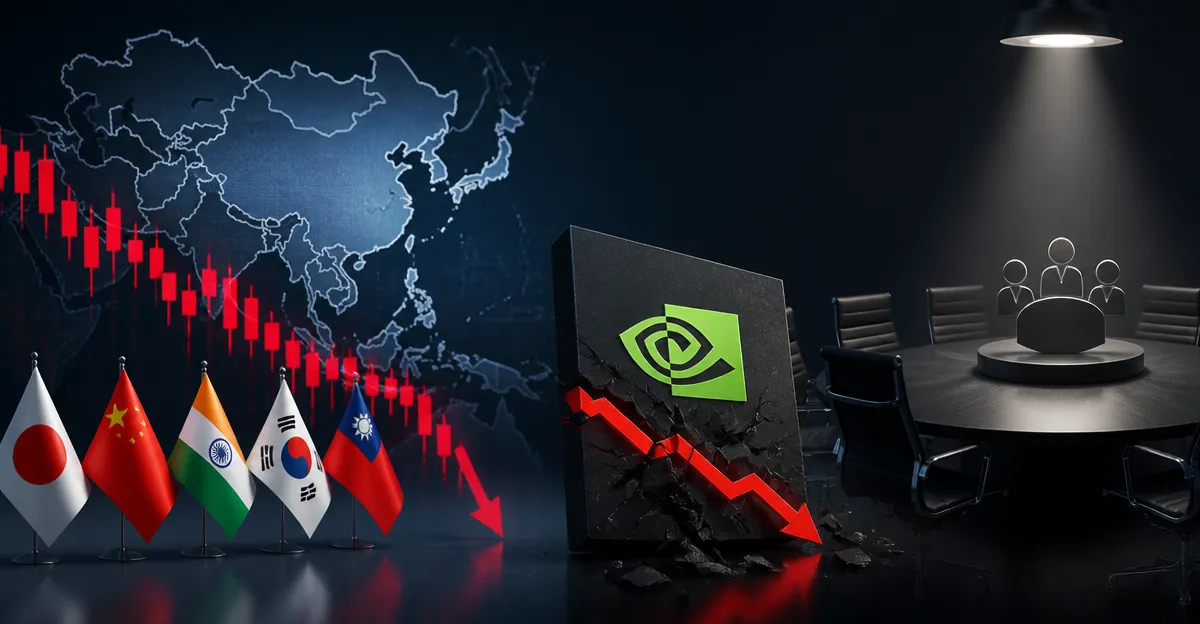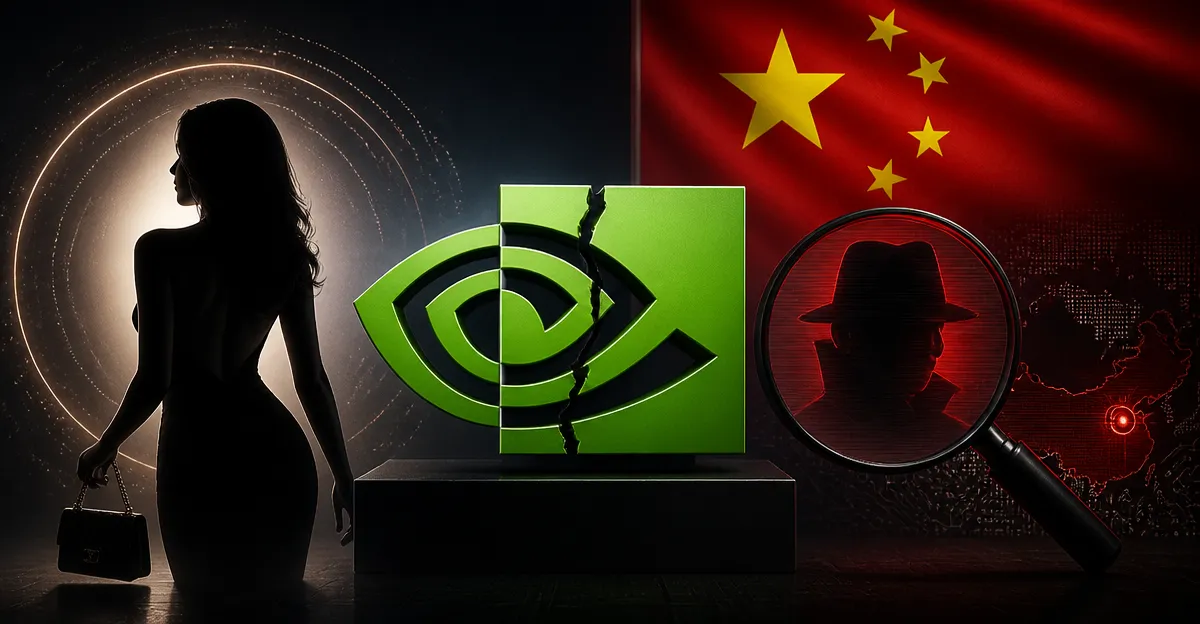
November 12, 2026, (Inside AI) — Nvidia’s board met late Wednesday to decide the fate of CEO Jensen Huang following reports of two extramarital affairs, plunging the world’s most valuable chipmaker into a leadership crisis that threatens to destabilize the entire artificial intelligence trade. The board launched an investigation after a report alleged Huang had an affair with a businesswoman suspected of being a Chinese spy, and a second report detailing another affair surfaced just before the meeting. Nvidia shares fell 8% in after-hours trading, dragging Nasdaq 100 futures down nearly 1% in Asia and triggering a selloff in AI-linked stocks from data-center operator CoreWeave to South Korean internet firm Naver.
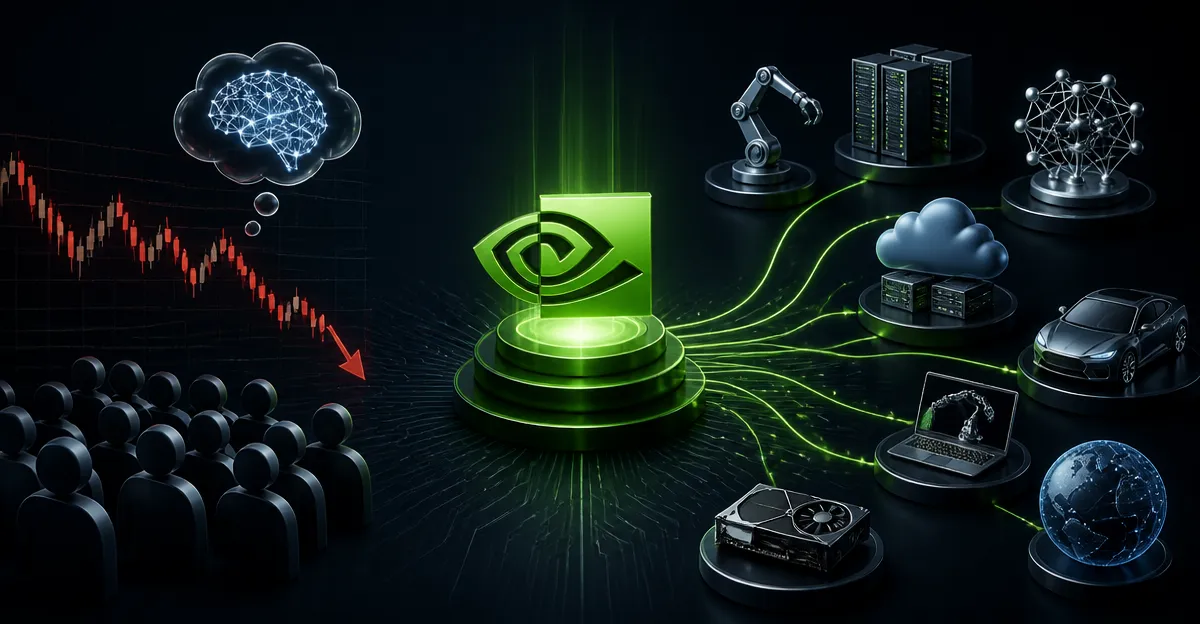
The immediate concern is not Nvidia’s chip quality but Huang’s dual role as the company’s strategic visionary and its most aggressive financier. Under his leadership, Nvidia has become the central bank of the AI boom, sinking billions into customers and partners to accelerate demand for its processors. The company lists $164.5 billion in financial commitments, including a $105 billion obligation tied to an OpenAI data center in Ohio and over $50 billion in lease and capacity guarantees. Investors fear that a leadership change could temper that largesse, removing a key pillar of support for the AI build-out.
“He’s the face of Nvidia and Nvidia has been front and centre of the AI build-out,” said Jun Bei Liu, lead portfolio manager at Ten Cap. “There’s just a lot of uncertainty to come ... not just for Nvidia; it’s for the whole AI - all the businesses that they co-invest and sponsor. I think the fear is that the music might stop.”
The market reaction was swift and selective. While Nvidia and its customers fell, shares of chipmaking rivals Broadcom and AMD rose, and Chinese GPU makers Moore Threads, MetaX, and Cambricon each jumped nearly 10% on expectations of a shift in market share. The divergence underscores a broader anxiety: Nvidia’s dominance has been built not just on silicon but on Huang’s personal network and his willingness to deploy capital as a strategic weapon.
“I don’t see the next 12 to 18 months of revenue suddenly disappearing if Jensen were to leave,” said Shay Boloor, chief market strategist at Futurum Equities. “My bigger concern is next decade, because Jensen isn’t simply Nvidia’s CEO but he’s the person who has consistently identified where computing is going before customers even realise. Replacing that strategic vision ... is an enormous challenge.”
Huang, who co-founded Nvidia in 1993 and has led it for over three decades, has never publicly named a successor. Analysts point to engineer Ian Buck and CFO Colette Kress as potential internal candidates, though neither carries his rock-star profile or deep relationships with world leaders. The board’s decision will be scrutinized not only for governance but for its signal about Nvidia’s commitment to the financing strategy that has underpinned the AI boom.
“Nvidia’s core asset is its advanced GPUs, which still have no real substitute in the market,” said Anna Wu, founder of Floodlines Research. “The AI trade rests on that demand, not on one individual.”
Yet the timing is precarious. Nvidia reports earnings next week, and the focus will inevitably shift to leadership, strategy, and whether a sales outlook formed under Huang still holds. The company’s stock has risen roughly 900% since the launch of OpenAI’s ChatGPT four years ago, making it the banner of the AI revolution. Any sign of retreat from its financing role could ripple through the entire ecosystem of AI startups and data-center operators that have come to rely on Nvidia’s capital as much as its chips.
The board’s investigation also carries geopolitical weight. The allegation involving a Chinese spy, if substantiated, could complicate Nvidia’s already delicate position in the U.S.-China technology rivalry. Chinese GPU makers surged on Thursday, reflecting expectations that turmoil at Nvidia could accelerate domestic substitution efforts. The outcome of the board’s review will be watched closely in Beijing and Washington alike.
For now, investors are left weighing the durability of Nvidia’s product lead against the fragility of its leadership. The company’s core technology remains unmatched, but the AI trade has been priced on more than just chips. It has been priced on Huang’s vision and his willingness to bet billions on the future he sees. Whether that bet survives him is the question the market is only beginning to ask.

Shamil has a low tolerance for AI that only works in controlled demos. He covers agentic systems and generative AI with the skepticism of someone who has seen too many “revolutionary” tools quietly disappear six months after launch.