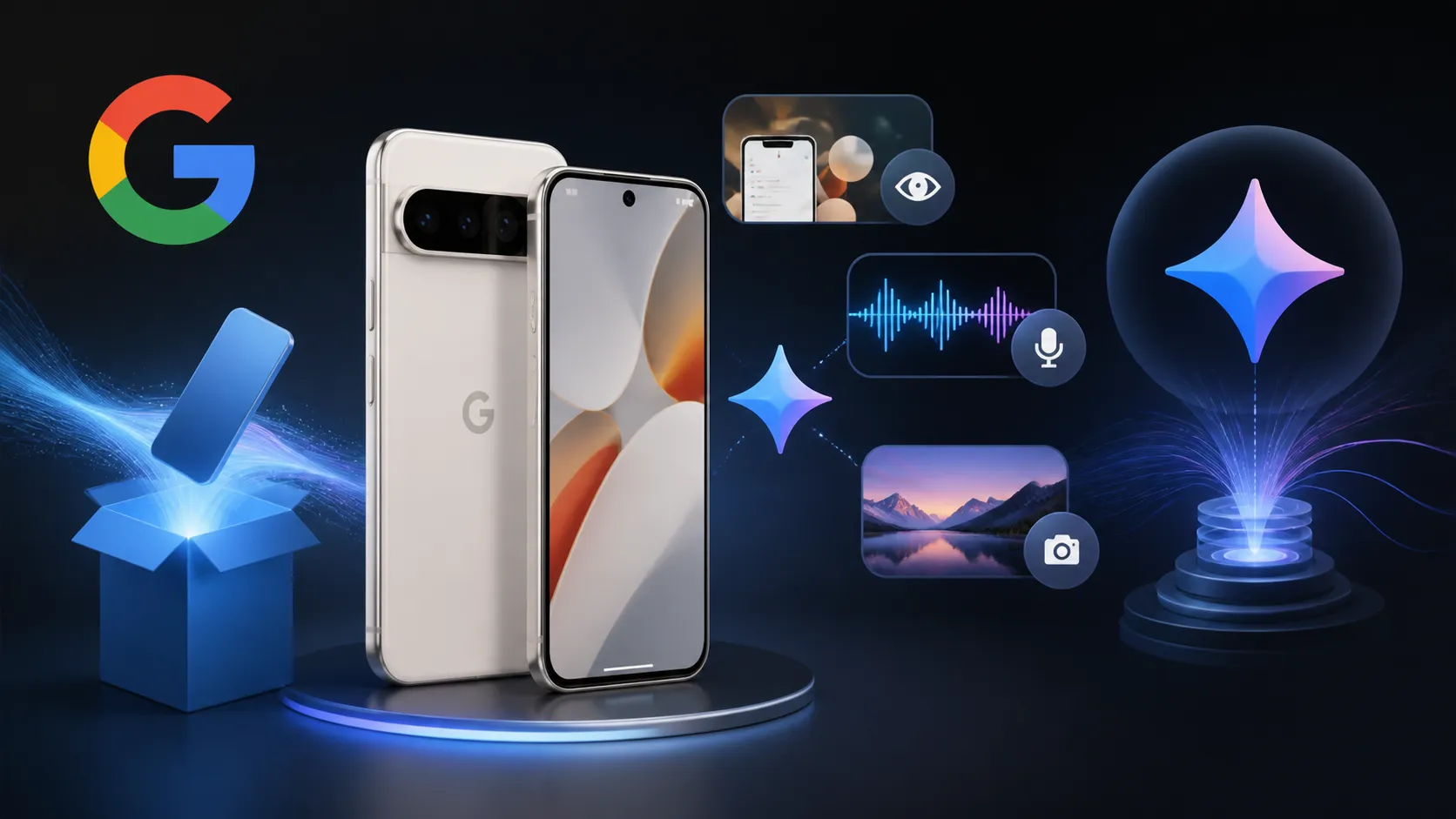
June 15, 2026, (Inside AI) — Google’s next Pixel Drop update may be imminent, with leaked Amazon ads revealing fresh AI features like Screen Reactions and expanded Gemini Omni tools. The promotional videos, first reported by 9to5Google, suggest a launch within days, though Google has yet to confirm officially.
Why This Update Matters Now
Pixel Drops are Google’s quarterly injections of exclusive software for Pixel phones, often arriving ahead of broader Android releases. The March 2026 update introduced the new “Pixel Drop” branding, and this second wave could deepen AI integration across the ecosystem. With the stable Android 17 release approaching, early Pixel access to Screen Reactions signals Google’s strategy to differentiate its hardware through on-device intelligence.
Screen Reactions: From Beta to Prime Time
Screen Reactions is the standout newcomer. First demoed at The Android Show 2026: I/O Edition in May, it’s now live in the Android 17 QPR1 beta. The feature likely enables contextual, AI-driven responses based on what’s displayed on screen, though exact mechanics remain under wraps. Its early arrival on Pixel devices underscores Google’s push to make interactions more anticipatory and seamless.
Gemini Omni’s Expanding Creative Reach
The leaked ads also showcase Gemini Omni capabilities, some already available to paid subscribers. One video depicts music generation: a user asks Gemini to craft a country song about a roommate stealing ice cream. Another spot hints at multimodal video creation, blending media types directly on the device. The tagline “on your Pixel” reinforces Google’s on-device processing narrative, a key differentiator from cloud-reliant competitors.
Read: Honda Brings Google Gemini to US Cars, But Only for Pricier Trims
Unanswered Questions and Industry Patterns
Despite the leaks, Google has not detailed the full feature list or confirmed a rollout date. Historically, Pixel Drops arrive within a week of promotional leaks, but delays are possible. Critics note that many Gemini Omni features remain paywalled, raising questions about how much value free users will see. Additionally, the absence of hardware-specific enhancements in the ads could disappoint those expecting camera or battery optimizations.
Read: Google Limits Meta’s Access to Gemini AI Models, Disrupting Projects
The Bigger Picture for Pixel’s AI Ambitions
Google’s iterative updates mirror a broader industry shift toward software-defined smartphones. By tying generative AI tightly to Pixel, the company aims to build a moat against Apple and Samsung. However, the real test will be whether these features prove indispensable or gimmicky. As one analyst noted, “On-device AI is only as good as its daily utility.” For now, Pixel users await the official word, likely just around the corner.