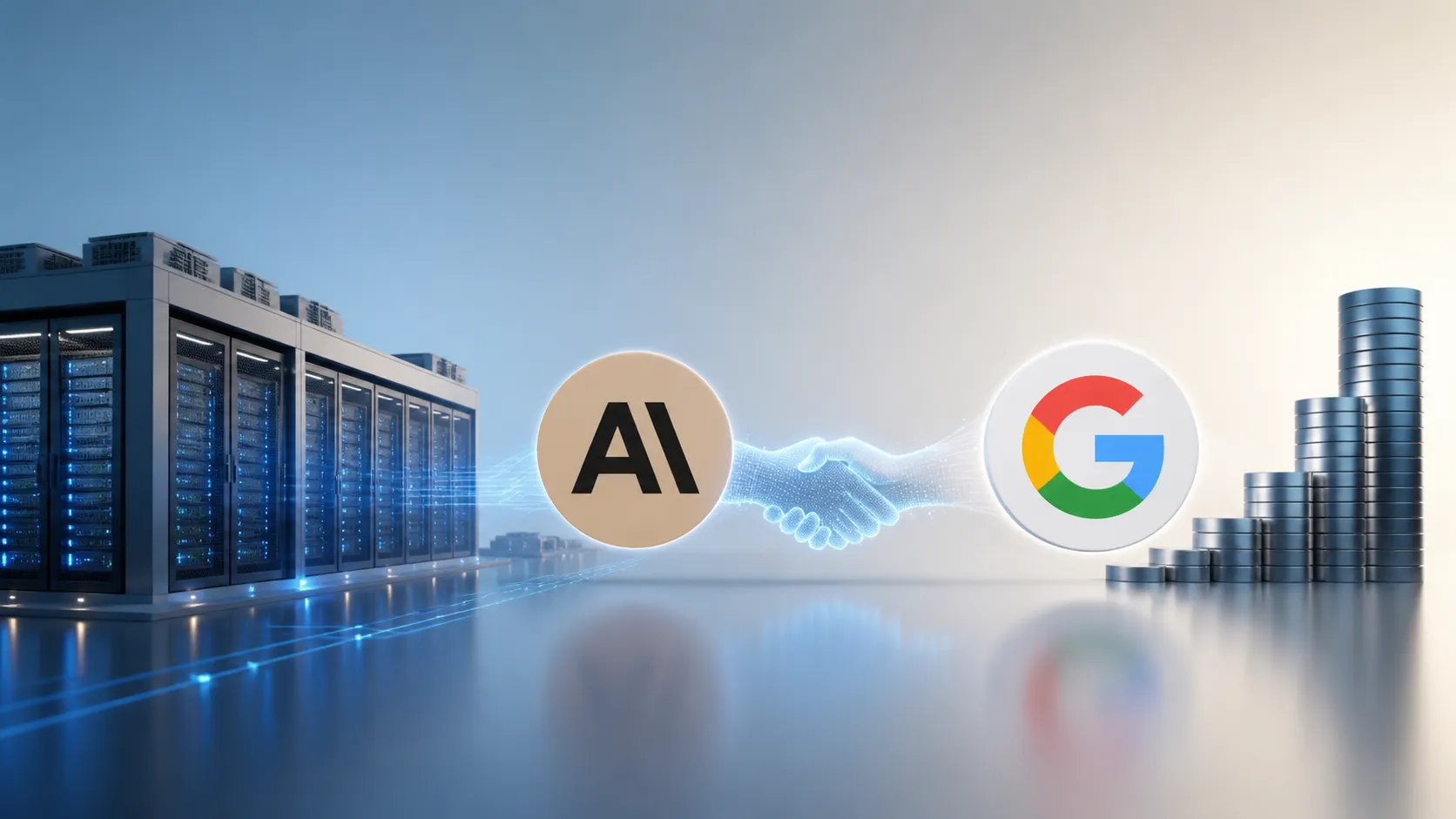
June 16, 2026, (Inside AI) — Anthropic, the artificial intelligence company behind the Claude model family, is readying a major infrastructure push. The firm plans to lease and operate its own data centers, according to a report from The Information. It is also seeking financial backing from Google to cover the lease payments, signaling a deeper operational shift away from pure cloud reliance.
A Strategic Shift Toward Self-Managed Infrastructure
Anthropic’s move marks a departure from its current model of renting compute from cloud providers. By taking direct control of data center leases, the company aims to secure long-term capacity for training and running increasingly large AI models. The decision reflects a broader industry trend where frontier labs seek independence from third-party infrastructure.
The report indicates Anthropic is in talks with Google for financial support on these lease commitments. Google, a major investor through its cloud arm, already provides compute power to Anthropic. This new arrangement could deepen their financial ties while giving Anthropic more autonomy over hardware and operations.
Why This Matters for AI Infrastructure
Demand for specialized AI hardware has surged, with lead times for GPUs stretching months. Leasing entire data centers lets companies bypass spot-market scarcity and lock in predictable costs. For Anthropic, this could accelerate development of next-generation models like a potential Claude 4, while reducing dependency on any single cloud vendor.
Yet the financial burden is immense. Data center leases can run into hundreds of millions annually. Google’s backing would mitigate that risk, but it also raises questions about influence. If Google funds the leases, does it gain preferential access to Anthropic’s technology or strategic decisions? Neither company has commented publicly.
Competing Viewpoints on Vertical Integration
Some analysts see this as a logical step. “Controlling the full stack, from chips to cooling, is becoming table stakes for frontier AI,” said Dr. Lisa Chen, an infrastructure researcher at MIT. “Cloud margins eat into R&D budgets, and latency matters for real-time inference.”
Others warn of operational complexity. Running a data center demands expertise in power management, networking, and hardware maintenance. A former OpenAI engineer, speaking anonymously, noted: “It’s not just about money. You need a team that can handle physical infrastructure, and that’s a different skill set from training models.”
Historical Context and Industry Parallels
Anthropic’s path mirrors that of OpenAI, which has invested heavily in its own infrastructure, reportedly including a $100 billion supercomputer project with Microsoft. Meta and xAI have also built custom data centers. The difference here is Google’s dual role as investor and potential landlord, which could blur competitive lines in the AI arms race.
Google’s cloud division has been aggressively courting AI startups, offering credits and co-engineering support. But if Anthropic moves workloads to its own leased facilities, Google Cloud could lose revenue. The financial backing might be a hedge to maintain alignment as the startup grows more independent.
What’s Missing from the Picture
The Information’s report leaves key details unclear. The size, location, and timeline of the data center leases are unknown. It’s also uncertain whether Google’s support would come as a loan, equity investment, or cloud credits. Anthropic, valued at over $18 billion, has raised billions from Amazon and others, so this move could also be a play to diversify its infrastructure partners.
Regulatory scrutiny may follow. Large-scale data center builds can face environmental and zoning hurdles, especially if they consume massive amounts of water and electricity. Anthropic has publicly committed to responsible scaling, but physical infrastructure often tests those pledges.
Looking Ahead
If the deal materializes, Anthropic could break ground on its first self-managed sites within a year. That would position it to compete more aggressively with OpenAI and Google’s own DeepMind on model capability and reliability. For now, the AI world watches whether this partnership signals a new phase of vertical integration, or simply a financial maneuver to fuel the next leap in intelligence.