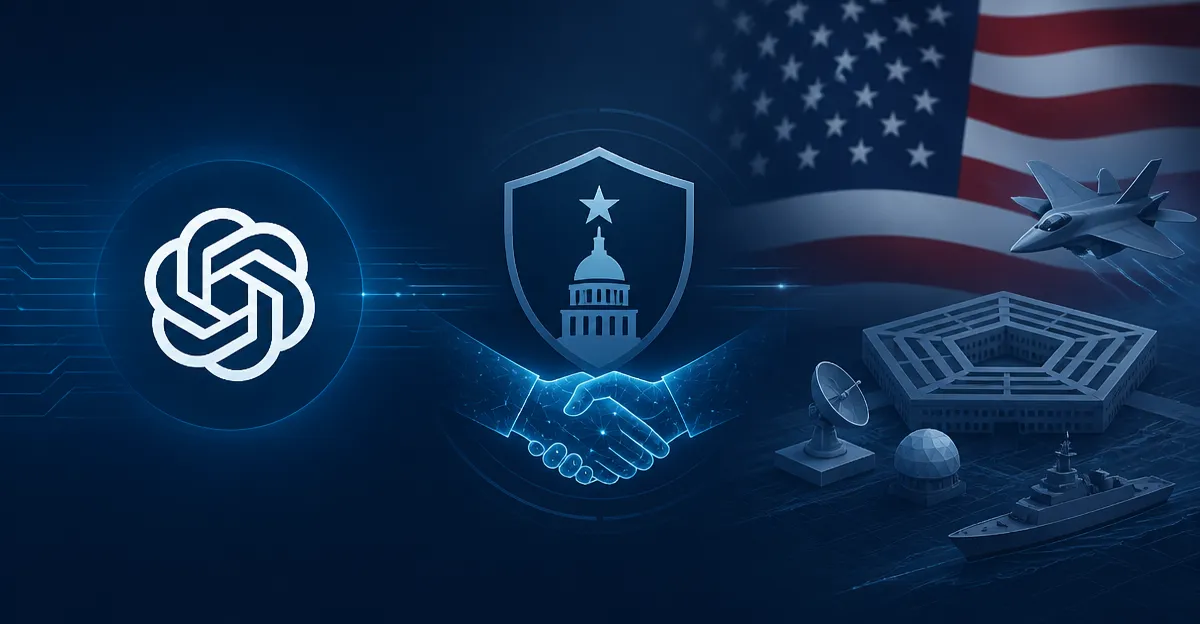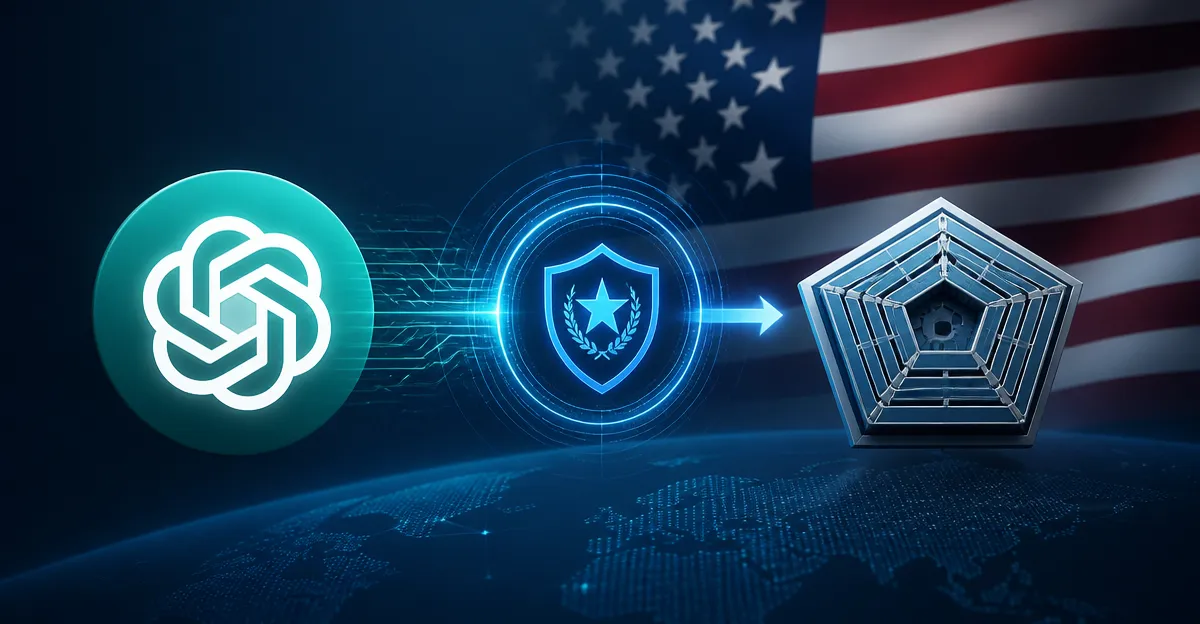
November 3, 2026, (Inside AI) — OpenAI has appointed Dan Driscoll, a former US Secretary of the Army, to a newly created role focused on national security modernization, the company said on Monday. Driscoll will serve as senior counselor for national security modernization, advising OpenAI's leadership and collaborating with external partners on how advanced AI can enhance national security and cybersecurity.
The hire signals OpenAI's intent to deepen ties with the defense establishment as AI's role in military and intelligence operations expands. Driscoll's background in Army leadership and policy gives OpenAI a credible voice in Washington, where scrutiny of AI's dual-use potential is intensifying.
Driscoll's appointment comes as the Pentagon accelerates its AI adoption. The Department of Defense has been investing in AI for logistics, surveillance, and autonomous systems. In 2023, it established the Chief Digital and Artificial Intelligence Office (CDAO) to streamline AI integration. OpenAI's move positions it to compete for defense contracts against rivals like Palantir and Anduril, which already have established defense relationships.
Why OpenAI Needs A Uniform In The Room
The timing reflects a broader shift in Silicon Valley's stance on defense work. For years, major tech firms avoided military projects due to employee backlash. Google famously withdrew from Project Maven in 2018 after internal protests. But the landscape has changed. In 2024, OpenAI removed restrictions on military use from its usage policies, and Anthropic and Meta have also signaled openness to defense collaborations. Driscoll's hire is a concrete step in that direction.
Driscoll served as Secretary of the Army from 2021 to 2025, overseeing modernization initiatives and budget decisions. His experience with large-scale procurement and technology integration could help OpenAI navigate the complex defense acquisition process. The role is advisory, but it likely involves shaping product development for national security applications, including cybersecurity and intelligence analysis.
OpenAI has not disclosed specific projects Driscoll will work on. However, the company has previously discussed AI's potential in cyber defense, such as detecting and responding to threats. In 2025, OpenAI partnered with Microsoft to offer AI tools to government agencies, including the Department of Defense. Driscoll's appointment could expand such partnerships.
The move also raises questions about ethics and oversight. AI in military contexts poses risks, from autonomous weapons to surveillance overreach. OpenAI's charter emphasizes broad benefit, but defense work often involves classified projects with limited transparency. Critics argue that AI companies should avoid contributing to warfare. Supporters counter that AI can improve precision and reduce civilian harm if developed responsibly.
Driscoll's appointment is not OpenAI's first foray into policy. The company has a global affairs team and has engaged with regulators worldwide. But hiring a former service secretary is a significant escalation in its Washington strategy. It follows similar moves by other AI firms: Scale AI hired former generals, and Palantir has long employed defense insiders.
As AI becomes more central to national security, OpenAI's ability to balance innovation, ethics, and government collaboration will be tested. Driscoll's role will be pivotal in shaping that balance.