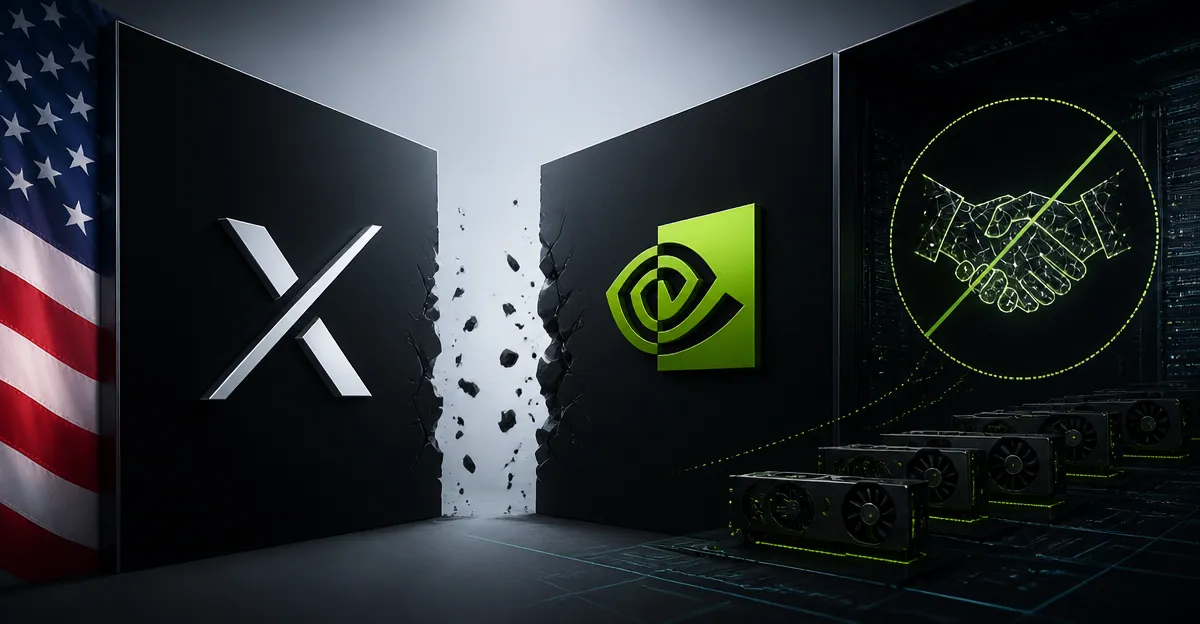
November 14, 2026, (Inside AI) — Elon Musk said on Saturday that Nvidia would lose "critical" deals without its now ousted CEO Jensen Huang, in a post on X. The remark came hours after Nvidia's board confirmed Huang's departure, ending a tenure that turned the chipmaker into the central supplier of the artificial intelligence boom.
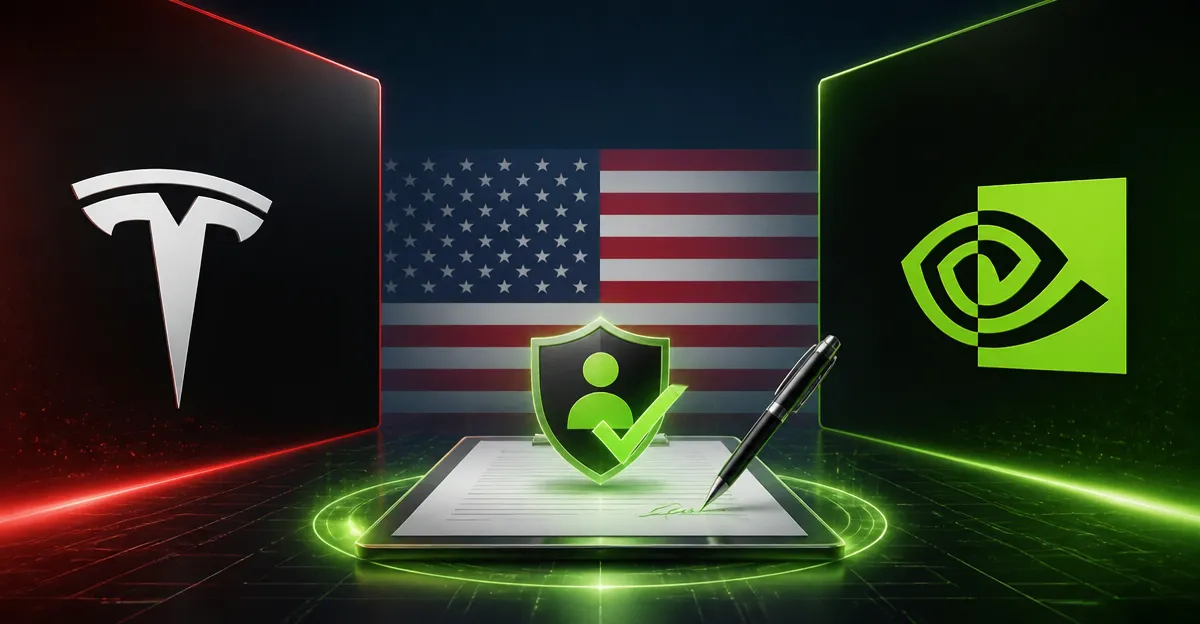
Musk, who runs Tesla, SpaceX and X, framed the warning around the personal nature of Nvidia's customer relationships. He said Huang drove supply chain strategy "brilliantly" at Nvidia, but argued that many of the company's most important agreements rested on trust in one man rather than on paper.
"Many of those deals were a handshake with Jensen, not a written contract," Musk wrote on X.
The post landed as Nvidia's customers, investors and rivals tried to assess what Huang's exit means for a company whose market value has been built on scarce GPU supply and long-term allocation promises. Nvidia has not publicly detailed which contracts depend on personal relationships, and Inside AI could not independently verify Musk's claim about the handshake deals.
Huang's departure is the most consequential leadership change in the semiconductor industry since the AI boom began. Nvidia's data center chips underpin training and inference for most frontier models, and the company's allocation decisions have shaped the plans of cloud providers, governments and AI startups alike.
Why Handshake Deals Matter in a Shortage
The significance of Musk's comment lies in how Nvidia has done business during the supply crunch. When GPUs were scarce, buyers did not simply place orders. They negotiated directly with Huang for priority access, often years ahead of delivery. Those arrangements frequently took the form of informal assurances rather than binding contracts, according to industry executives familiar with the practice.
That model worked because Huang personally controlled the allocation. It also created a concentration of trust in one executive. If Musk is right, a new CEO inherits the factories and the engineering teams but not necessarily the goodwill that secured the deals.
Musk's own companies are among Nvidia's largest customers. Tesla has relied on Nvidia hardware for its AI training clusters, and xAI, Musk's artificial intelligence venture, has competed for the same scarce chips. His comment therefore carries commercial weight, not just commentary.
Nvidia's board has not named a permanent successor. The company said in a brief statement that it would conduct a search and that operations would continue under interim leadership. Spokespeople did not respond to questions about Musk's post or about the status of major customer agreements.
The comparison to Apple after Steve Jobs is unavoidable, though imperfect. Apple had a product ecosystem that outlasted its founder. Nvidia's moat is partly technical, built on CUDA software and years of chip design. But its pricing power during the shortage has depended heavily on customers believing that Huang would honor informal commitments.
Competitors are already moving. AMD has ramped its MI series accelerators, and custom silicon from Google, Amazon and Microsoft has taken share for specific workloads. A leadership vacuum at Nvidia could accelerate those conversations, particularly among buyers who feel their allocations were tied to a personal relationship.
Musk's post also reflects a broader pattern. He has repeatedly used X to shape narratives around companies he competes with or depends on. In this case, he is both customer and commentator, a position that gives his warning unusual force.
Investors will watch whether Nvidia's next earnings call reveals any customer defections or renegotiated terms. For now, the company's order book remains deep, and demand for AI compute still exceeds supply. The question is whether that demand follows the logo or the man.
Nvidia's shares were little changed in early trading, suggesting markets are waiting for more detail. The board's choice of successor, and whether that person can convert handshakes into contracts, will determine whether Musk's warning proves prescient or merely provocative.

If a research paper dropped this week, Mahesh has already read it. He covers AI tools and vibe coding for builders who need to know what is worth their time and what is not.