November 18, 2026, (Inside AI) — Nvidia's first earnings call since co-founder Jensen Huang resigned as CEO left investors with more questions than answers. The chipmaker reported third-quarter revenue of $116 billion on November 17, a 103% jump from a year earlier, and projected $130 billion for the current quarter. Yet the call's cautious tone and the absence of clear answers on several fronts cast a shadow over the $3.8 trillion company's future.
The earnings release came just five days after Huang's resignation on November 12, following his admission to an extramarital affair. The timing, combined with mounting investigations and Huang's own hints at a return, has left the artificial intelligence industry in suspense. Nvidia's board also announced the formation of a National Security and Export Control Oversight Committee the same day. Huang, for his part, stated he "would be honored" to return if invited by the board.
Nvidia's Silence on Startup Support Speaks Volumes
The most notable aspect of the call was what was not said. With few answers and cautious language on backing upstarts, the industry hangs in suspense. Nvidia has long been a key backer of AI startups, and its hesitation could have ripple effects across the sector.
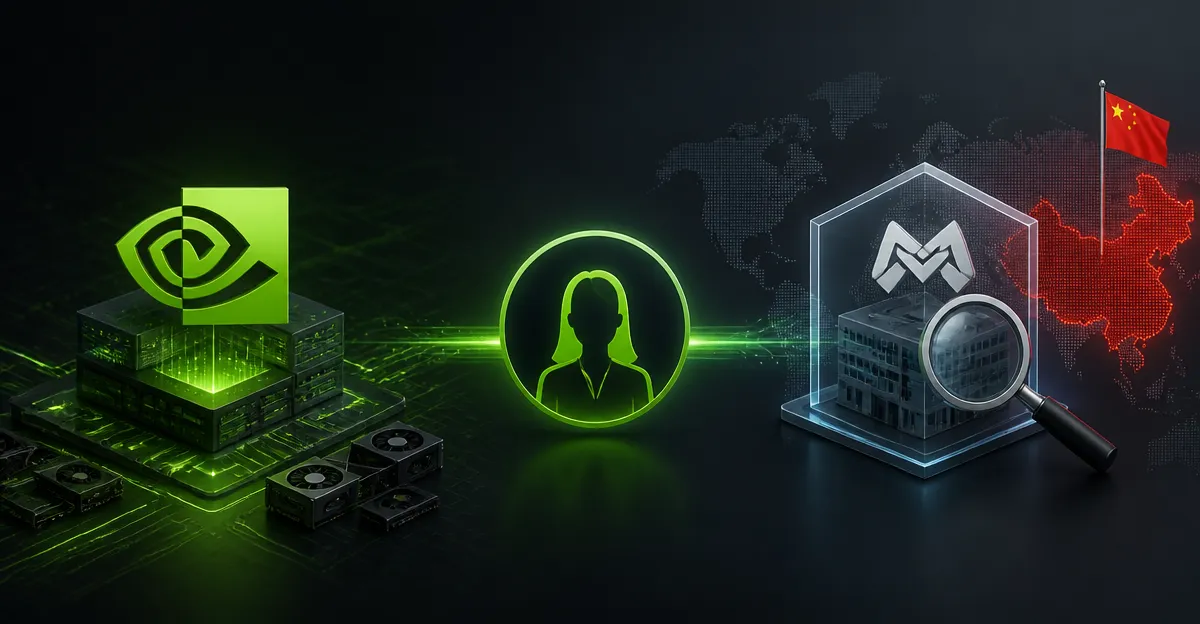
The affair that led to Huang's exit involved Alice Huang, a former executive at Singapore-based Megaspeed. US officials suspected she could be a spy for China, according to a report by the New York Times on October 29. The revelation has raised national security concerns, prompting the board's new oversight committee.
Huang's resignation and the subsequent investigations have created a leadership vacuum at a critical time for Nvidia. The company's revenue growth remains strong, but the uncertainty surrounding its leadership and the potential for a return by Huang complicates the picture. The board's new committee signals a heightened focus on export controls and national security, areas where Nvidia has faced scrutiny before.
The AI trade, which has been a major driver of Nvidia's valuation, now finds itself in purgatory. Investors are left to weigh the company's impressive financial performance against the risks posed by leadership instability and geopolitical tensions. The cautious language on backing upstarts suggests Nvidia may be rethinking its investment strategy, which could slow innovation in the AI ecosystem.
This is not the first time Nvidia has faced turbulence. The company has navigated export restrictions and supply chain challenges in recent years. However, the current situation is unique because it combines personal scandal with national security concerns. The outcome will depend on how the board handles the investigations and whether Huang's offer to return is taken seriously.
Huang's Shadow Looms Over Nvidia's Next Move
Huang's statement that he would be honored to return adds another layer of complexity. If the board were to invite him back, it could stabilize leadership but also raise questions about governance and the seriousness of the allegations. Conversely, a permanent break from Huang would require Nvidia to chart a new course without its most recognizable figure.
The industry is watching closely. Nvidia's chips power many of the largest AI models, and any disruption could affect everything from cloud computing to autonomous vehicles. The company's guidance for the current quarter, while strong, may not fully account for the potential fallout from the investigations.
As the situation develops, stakeholders will look for clarity from the board and from Huang himself. For now, the AI trade remains in a state of suspension, waiting for Nvidia to provide the answers it has so far withheld.

Shamil has a low tolerance for AI that only works in controlled demos. He covers agentic systems and generative AI with the skepticism of someone who has seen too many “revolutionary” tools quietly disappear six months after launch.