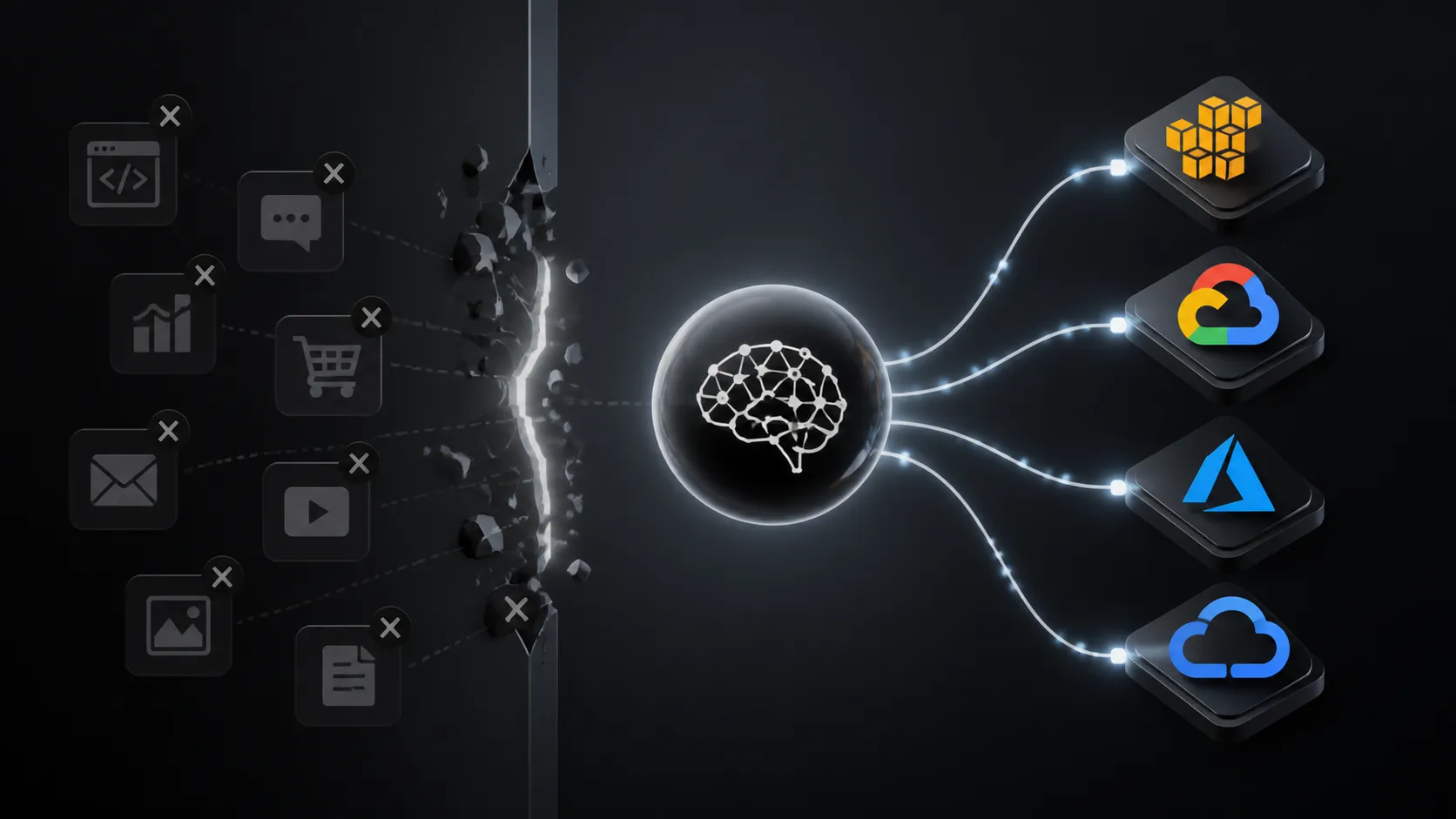
June 19, 2026, (Inside AI) — The US government abruptly suspended foreign access to Anthropic’s most advanced AI models, Mythos 5 and Fable 5, in a Friday order that erased carefully negotiated agreements overnight.
Just two weeks earlier, India had secured access to Mythos-class models through Project Glasswing, a cybersecurity initiative. The access was narrow, intended only for defensive protection of critical digital infrastructure.
The EU’s cybersecurity agency ENISA and other institutional partners also lost access. The order shows that even tightly restricted, ally-negotiated access can be wiped out instantly.
The Unraveling of Trust in Global Tech
This blackout forces a hard question: If technology cannot be shared with close allies, what are those relationships worth when geopolitical interests diverge?
For years, concerns about technological dependence were dismissed as protectionist anxiety. The assumption was that frontier technology would flow through open markets. That assumption has now collapsed.
American tech companies face a cautionary lesson. A firm complying with US law risks becoming unreliable abroad. Trust built over decades can shatter when access is switched off by executive order.
Customers will start making different procurement decisions. First quietly, then all at once.
India’s Structural Vulnerability Exposed
For India, the lesson is clear. Heavy dependence on foreign technology for critical digital services creates a structural vulnerability no diplomatic arrangement can cover.
The blackout challenges the view articulated by Nandan Nilekani that India’s advantage lies in becoming a use-case and application economy, not building frontier models. What is economically efficient may not be geopolitically sufficient.
Yet the answer is not to build everything domestically. The AI value chain is deeply global, and most AI use cases carry no strategic risk. The real question is which dependencies create strategic exposure.
Defining Sovereignty with Precision
The India AI Mission and MeitY‘s work on sovereign cloud are steps forward. But a comprehensive, operationally precise sovereignty framework is missing.
Sovereign tech cannot mean the same for defense, grievance redressal, or product descriptions. Key questions remain: Which parts of the value chain must sit under Indian control? Is it about data processing, model control, or infrastructure ownership?
Trade-offs are real. Indian businesses need affordable, best-in-class technology. Imposing constraints without strategic imperative raises costs without improving security.
Concentrating Limited Resources
India’s R&D spending is less than 0.7% of GDP, compared to over 2.5% in China and 3% in the US. Resources must be concentrated, not spread thin.
Priority areas include compute infrastructure for sensitive workloads, cyber defense, and targeted frontier AI capabilities where denial of access would hurt resilience. For most else, focus on rapid adoption of global technology.
Last Friday’s blackout will be resolved. But it demonstrates what strategic AI dependence looks like. The question is whether this becomes a wake-up call or a can kicked down the road.