June 23, 2026, (Inside AI) — A wave of troubling technology misuse cases across Hong Kong, Taiwan, and mainland China is exposing a critical gap in education: the absence of ethics in artificial intelligence literacy programs.
Recent headlines detail students exploiting AI tools for personal gain. Many already navigate technology with ease. Yet formal training focuses narrowly on skills and capacity building, sidelining the moral compass needed to guide that power.
Digital divide initiatives target disadvantaged groups. But the louder alarm bell rings over missing ethics education. Without it, students risk being consumed by temptations — chasing grades, prestigious admissions, or social media clout through unethical shortcuts.
Education must go beyond grades and career prep. It must cultivate character and civic responsibility. As one observer noted, “Encouraging the effective use of advanced technology is important, but nurturing students to become responsible citizens is even more critical.”
Read: Microsoft Report: 92% of U.S. Students and Leaders Now Use AI in Education
This isn’t a new tension. For decades, computer literacy programs prioritized technical mastery. The 1990s internet boom pushed schools to wire classrooms, but netiquette and plagiarism discussions lagged. Today’s generative AI tools amplify old dilemmas: deepfakes, automated essay mills, and data poisoning emerge faster than curricula can adapt.
Some educators argue ethics can’t be bolted on later. They want AI literacy redesigned from the ground up, weaving in case studies from real-world misuse. Others counter that overemphasis on ethics might stifle innovation or burden teachers already stretched thin.
Yet the consequences of inaction are mounting. In one reported incident, a student used AI to fabricate research data for a science competition. In another, deepfake images targeted classmates. These aren’t hypothetical risks — they’re happening now.
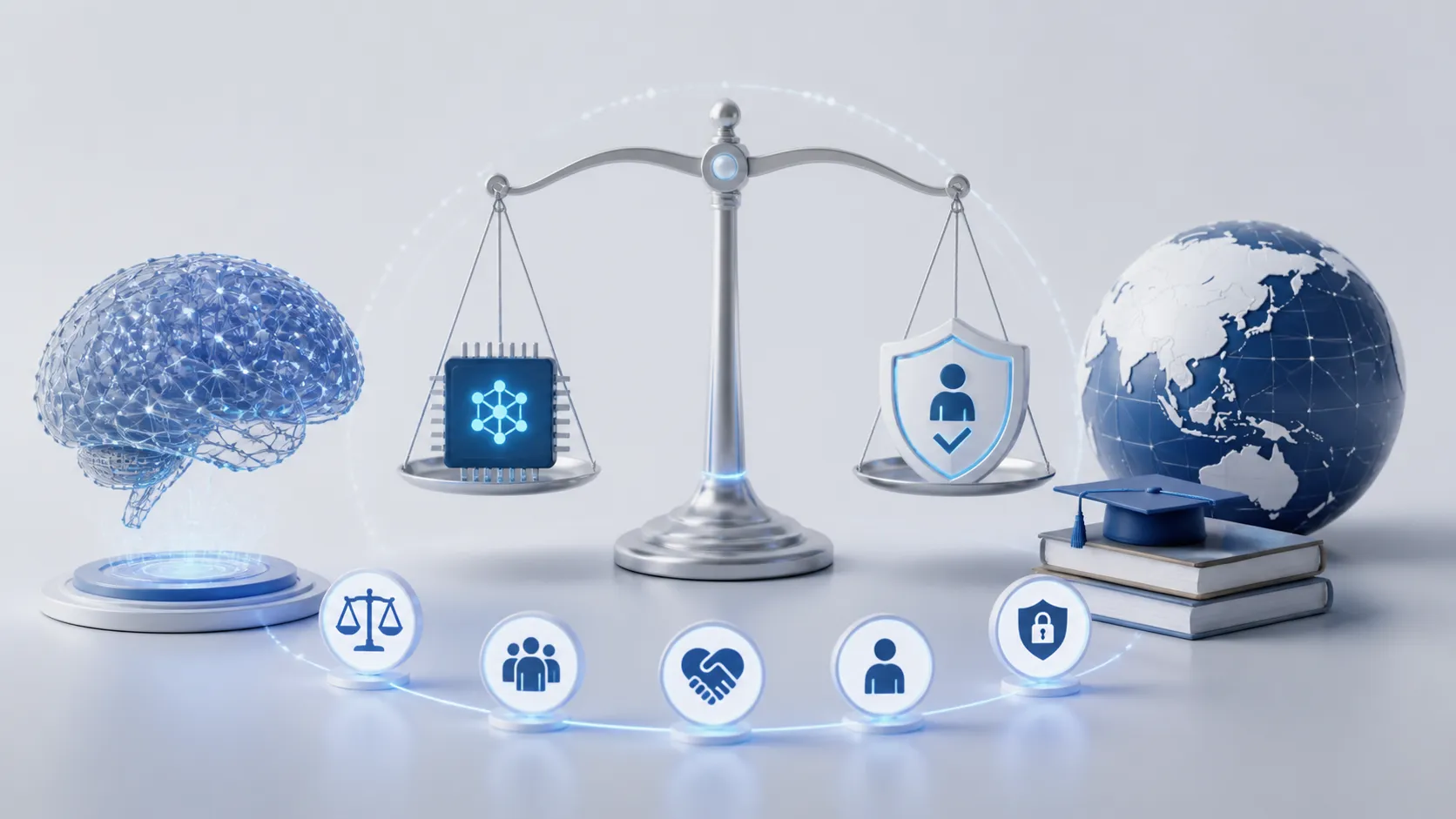
Global frameworks offer clues. UNESCO’s AI competency framework for students emphasizes “human-centered values” alongside technical skills. Singapore’s AI literacy program includes ethical reasoning modules. But adoption remains patchy across East Asia.
Critics point out that ethics education often devolves into abstract lectures. Effective programs need interactive scenarios, peer discussions, and clear consequences for misuse. They also require teachers trained to facilitate, not just preach.
The push for ethical AI literacy faces structural hurdles. Exam-centric systems reward rote learning over critical thinking. Parents may resist programs that don’t directly boost scores. And tech companies, racing to deploy AI in classrooms, rarely prioritize ethics guardrails.
Read: Norway Bans AI for Young Students, Restricts Use for Teens
Still, the call grows louder. “Without ethical grounding, students risk being consumed by temptations,” the observer warned. The question is whether education systems will listen before the next scandal breaks.