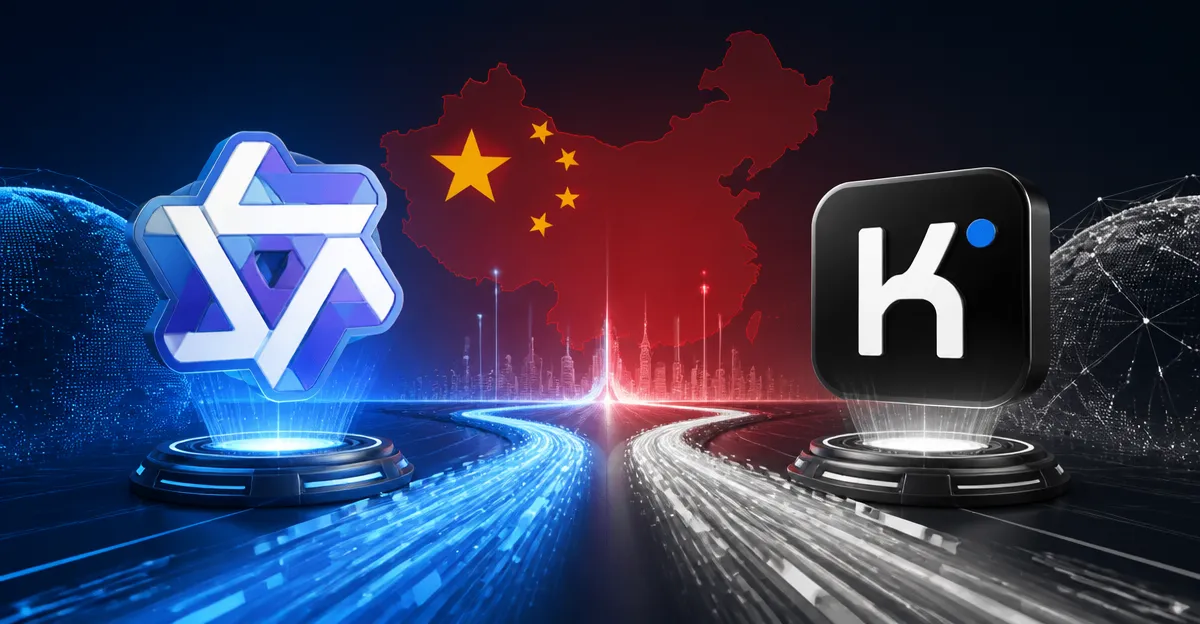
July 20, 2026, (Inside AI) — Alibaba Cloud launched a preview of Qwen 3.8 Max, its newest flagship large language model, on July 19. The 2.4 trillion-parameter model is positioned as competitive with top-tier AI systems, trailing only Anthropic’s Claude Fable 5 in internal benchmarks.
Developers can test Qwen 3.8 Max through Alibaba’s coding platforms Qoder and QoderWork. An open-weight release is promised soon, though technical details remain sparse. The launch intensifies a fierce AI rivalry in China, where firms are racing to match U.S. leaders like OpenAI, Google, and Anthropic.
The debut comes just days after Moonshot AI introduced Kimi K3, a 2.8 trillion-parameter model that rivals top Western offerings. The timing underscores a strategic shift: Chinese AI labs are increasingly leveraging open-source releases to accelerate adoption and innovation, a contrast to the proprietary focus of many U.S. firms.
Alibaba claims Qwen 3.8 Max is among the most capable models globally. The company stated the model is “second only to Anthropic’s Claude Fable 5” in performance, without disclosing specific benchmarks. The open-weight version will allow developers to download, modify, and deploy the model on their own infrastructure.
The rapid succession of launches highlights China’s determination to dominate AI through scale and accessibility. Moonshot AI’s Kimi K3, with its larger parameter count, reportedly matches top models from Anthropic and OpenAI. However, Moonshot faced immediate infrastructure strain.
On Sunday, Moonshot AI announced a temporary pause on new signups for its chatbot platform. The company said Kimi K3 “has received far more love than expected,” causing GPU resources to come under pressure. The startup, rumored to be IPO-bound, is prioritizing existing customers.
Alibaba’s Qwen models are also poised for broader integration. China’s internet regulator recently approved Apple Intelligence for iPhones registered in the country. Instead of using Gemini or ChatGPT, Apple will incorporate AI capabilities from Alibaba and Baidu, signaling deep local partnerships.
The open-source strategy is a defining feature of China’s AI ecosystem. Most Chinese LLMs are released under permissive licenses, enabling rapid prototyping and enterprise adoption. This approach contrasts with the guarded releases of models like GPT-5 or Claude Fable 5, which are accessed primarily via APIs.
Industry analysts note that parameter count alone is an incomplete measure of capability. Training data quality, architecture innovations, and post-training alignment often matter more. Without technical disclosures, it’s hard to assess Qwen 3.8 Max’s true standing against rivals.
Alibaba’s move also reflects a broader trend of AI commoditization in China. By open-sourcing powerful models, companies aim to capture developer mindshare and build ecosystems around their platforms. This mirrors earlier strategies in cloud computing and mobile operating systems.
Moonshot AI’s capacity crunch reveals the immense demand for cutting-edge AI in China. The startup’s GPU shortage echoes global supply constraints, exacerbated by export controls on advanced chips. Chinese firms are investing heavily in domestic alternatives to Nvidia hardware.
The Apple partnership could accelerate Qwen’s adoption across 600 million iPhone users in China. On-device AI features powered by local models may offer privacy and latency advantages, aligning with regulatory preferences for data localization.
As the race heats up, the line between open and closed AI ecosystems blurs. Alibaba’s dual approach—offering both API access and open weights—may become a template for balancing commercial interests with community-driven innovation.