August 18, 2026, (Inside AI) — Shri Ram College of Commerce (SRCC) and EY India have launched a 12-month certification programme called AI-VIBE, short for Varsity for Innovation, Business and Economics. The initiative targets undergraduate students from Semester 3 onwards and aims to build workforce-ready skills for an AI-enabled economy.
The joint programme blends technical instruction in machine learning, Generative AI, AI agents, decision intelligence, data analytics, financial technologies, blockchain, responsible AI, and AI governance with hands-on industry mentorship. Students will work on applied projects, participate in hackathons, and engage directly with EY India specialists.
Admission is selective. Candidates must clear assessments, interviews, and submit a Statement of Purpose (SOP). Once enrolled, students face continuous project-based evaluations and a final assessment at the end of the 12-month cycle.
The programme arrives during SRCC‘s centennial year and is positioned as an industry-academia model. EY India sponsors the initiative, underlining a corporate push to close the gap between university curricula and real-world AI deployment.
Read: IIT Kanpur Launches 6-Month AI, ML Course for Business Analytics
Why a commerce college is teaching AI agents and governance
The curriculum signals a shift in how elite Indian institutions view AI literacy. Rather than treating AI as a purely technical discipline, SRCC and EY India are framing it as a business competency. The inclusion of AI agents and decision intelligence reflects a broader industry trend where autonomous systems increasingly handle routine analytical tasks.
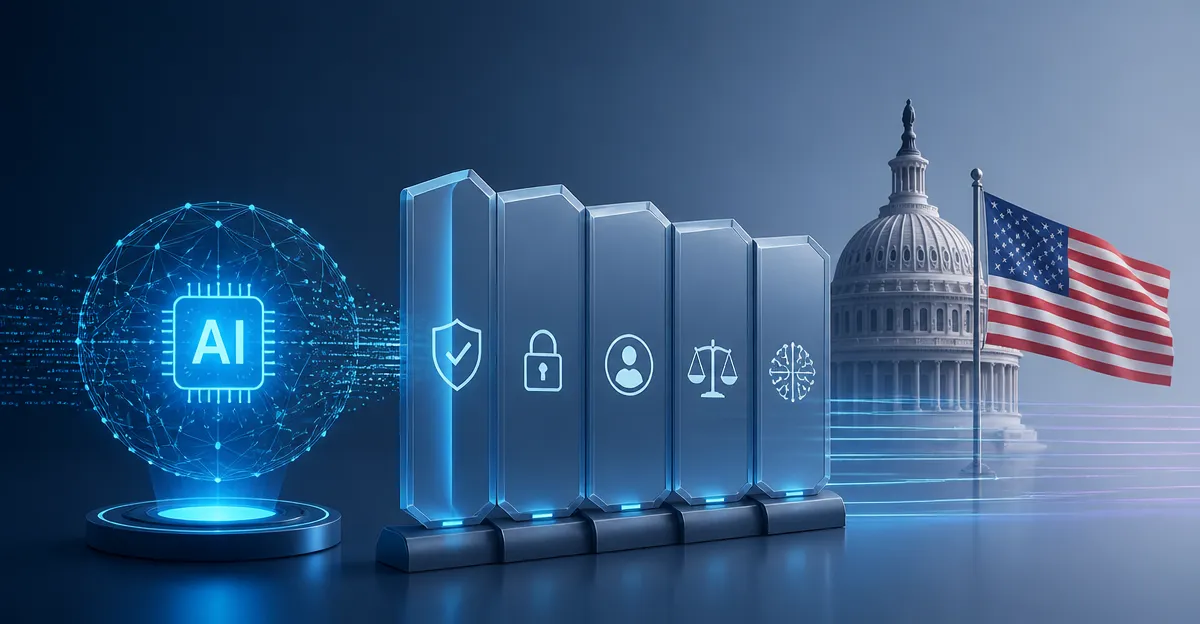
The emphasis on responsible AI and AI governance is notable. Organisations face mounting regulatory pressure to audit AI systems for bias, transparency, and accountability. By embedding governance into an undergraduate programme, the partners are preparing students for roles that did not exist five years ago.
This is not an isolated experiment. Business schools and commerce programmes globally are racing to integrate AI modules. SRCC‘s move places it among early adopters in India’s undergraduate landscape, where AI-focused certifications remain rare outside engineering campuses.
The selection gauntlet signals demand, not just supply
The selective admission process, including an SOP and interviews, suggests the programme expects high interest. SRCC is one of India’s most competitive commerce colleges, and adding a corporate-sponsored AI track could intensify competition among students seeking differentiation in a crowded job market.
Read: IIM Calcutta Plans AI-First Online MBA for Working Professionals
The programme’s structure, with continuous assessments and a final evaluation, mirrors corporate performance management. This design choice may help students adapt to workplace expectations but also raises questions about academic pressure.
Industry mentorship is a core pillar. Students will learn from EY India professionals and other industry experts, working on practical problems that link classroom theory to business requirements. This direct exposure could give participants an edge in placements and internships.
The partnership also reflects a strategic move by EY India. Consulting firms are investing heavily in AI talent pipelines, and early access to top undergraduate talent can reduce recruitment costs and build brand loyalty before students enter the job market.
For SRCC, the programme strengthens its industry ties and modernises its curriculum without overhauling existing degree structures. The 12-month format allows flexibility, letting students complement their regular coursework with an AI-focused credential.
The broader implication is clear: AI literacy is no longer optional for business graduates. As organisations embed AI into core processes, demand for professionals who understand both technology and business context will grow. AI-VIBE is an early signal of how Indian institutions plan to meet that demand.