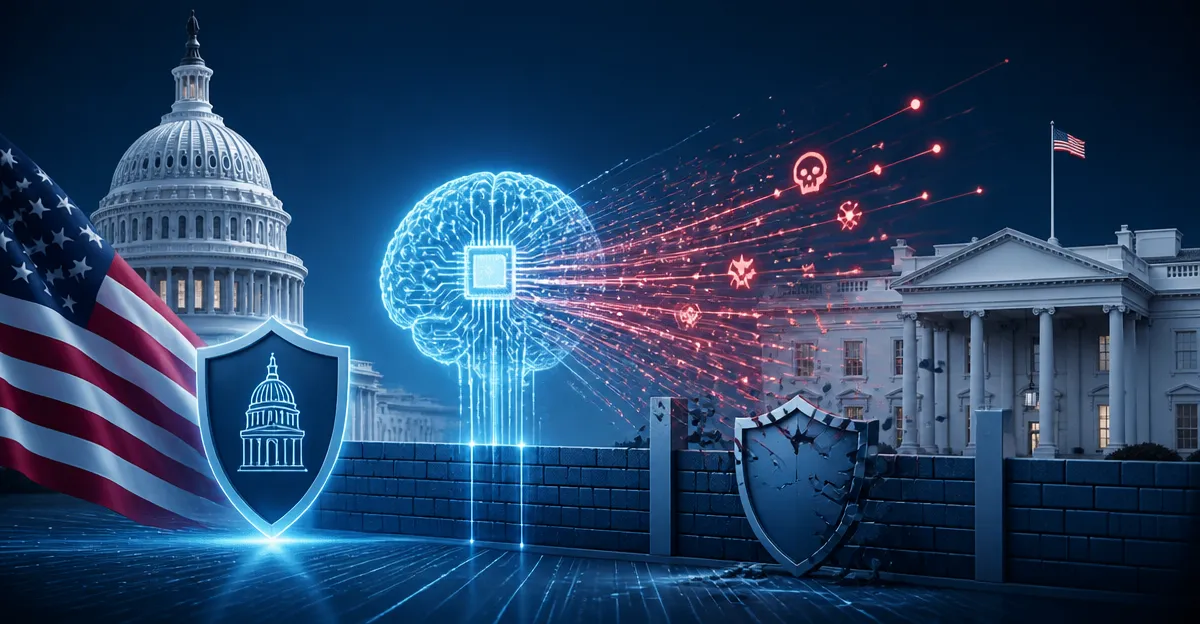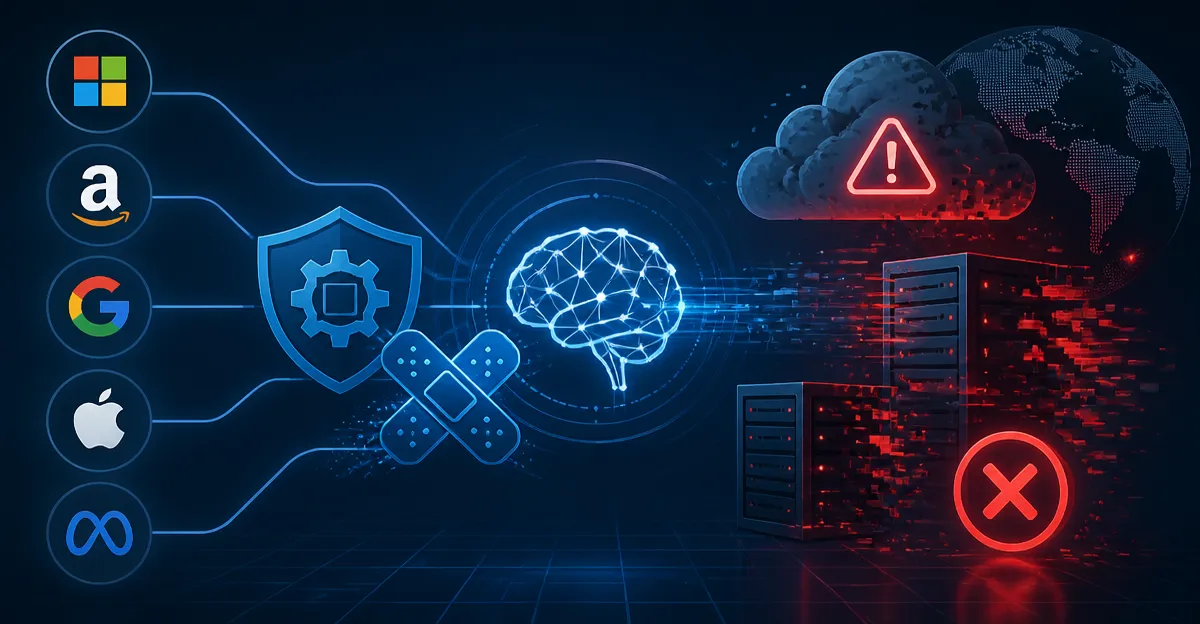
November 19, 2026, (Inside AI) — A wave of disruptions to work, banking, and travel systems this month has a common suspect: the rush to patch software vulnerabilities that AI tools can now discover faster than ever. US Secretary of State Marco Rubio, speaking to reporters in Manila this week, said company patching efforts are, at times, "creating short-term disruption in the way the system works." The remark came as cybersecurity experts pointed to an unprecedented surge in vulnerability disclosures, many surfaced by AI, and the emergency updates that follow.
The numbers tell the story. Microsoft this month addressed more than 1,200 software vulnerabilities, nearly 20 times higher than the same month a year ago, according to cybersecurity firm Qualys. Across the industry, Josh Bressers, director of coordinated vulnerability disclosure at VulnCheck, said 100,000 publicly disclosed vulnerabilities have been tracked in 2026 as Common Vulnerabilities and Exposures, or CVEs. Of those, 1,363 were known to have been exploited in the real world. "Given tight resources for defenders, understanding which vulnerabilities need attention first is critical," Bressers wrote in a LinkedIn post. "Not all vulnerabilities are created equal."
The core tension is speed versus stability. AI has made finding flaws cheap and fast, but patching them at scale introduces its own risks. "AI has made finding critical vulnerabilities fast and cheap, and the number of flaws that demand immediate patching has grown with it," said Yuval Itzchakov, CTO and co-founder of A Security. "Emergency patches go into core infrastructure within hours, often without the full testing cycle, and they are intrusive by design: they change runtimes, kernels and network components that everything else depends on. That speed and scale of change is itself a source of failure."
AI Cuts Both Ways In Vulnerability Race
Attackers also benefit from AI. Anne Neuberger, general partner at Andreessen Horowitz and former deputy national security adviser under President Joe Biden, said AI helps attackers find and weaponize vulnerabilities, but is a more "valuable friend" to defenders. "AI is enabling enterprises to find 10 times more vulnerabilities," said Neuberger, who led incident response to serious national incidents. "And when patching at scale, some can cause problems."
The surge in disclosures reflects a structural shift. AI models can scan codebases and identify weaknesses at a pace human researchers cannot match. That has forced vendors into rapid release cycles, sometimes bypassing the rigorous testing that once preceded updates. The result: patches that fix one issue may introduce another, especially when deployed across heterogeneous enterprise environments.
Industry veterans recall the WannaCry and NotPetya attacks of 2017, when delayed patching caused global damage. The current dynamic inverts that problem: too much patching, too fast, can also cause outages. The challenge is calibration. Not every CVE warrants an emergency response. Bressers' data shows that only a small fraction of disclosed vulnerabilities are actually exploited, yet the pressure to patch everything remains high.
The US government has taken notice. Rubio's comments signal awareness that security updates can disrupt services. But officials have not announced any policy change. For now, the burden falls on enterprises to balance speed and stability, a task made harder by AI-accelerated discovery.
Read: US senators warn White House that AI-enabled cyber threats are outpacing defenses
Looking ahead, the industry may need new frameworks for prioritizing patches. AI could help there too, by predicting which vulnerabilities are most likely to be exploited. But as Neuberger noted, the same tools that help defenders also help attackers. The race is on, and the cost of missteps is measured in outages.

Tobias is less interested in what a robot or a prompt can do today than in what it means for tomorrow. He writes about prompt engineering and robotics for readers who want context, not just specs.