Tobias Nkosi
Tobias is less interested in what a robot or a prompt can do today than in what it means for tomorrow. He writes about prompt engineering and robotics for readers who want context, not just specs.
-
 Cybersecurity AINovember 11, 2026
-
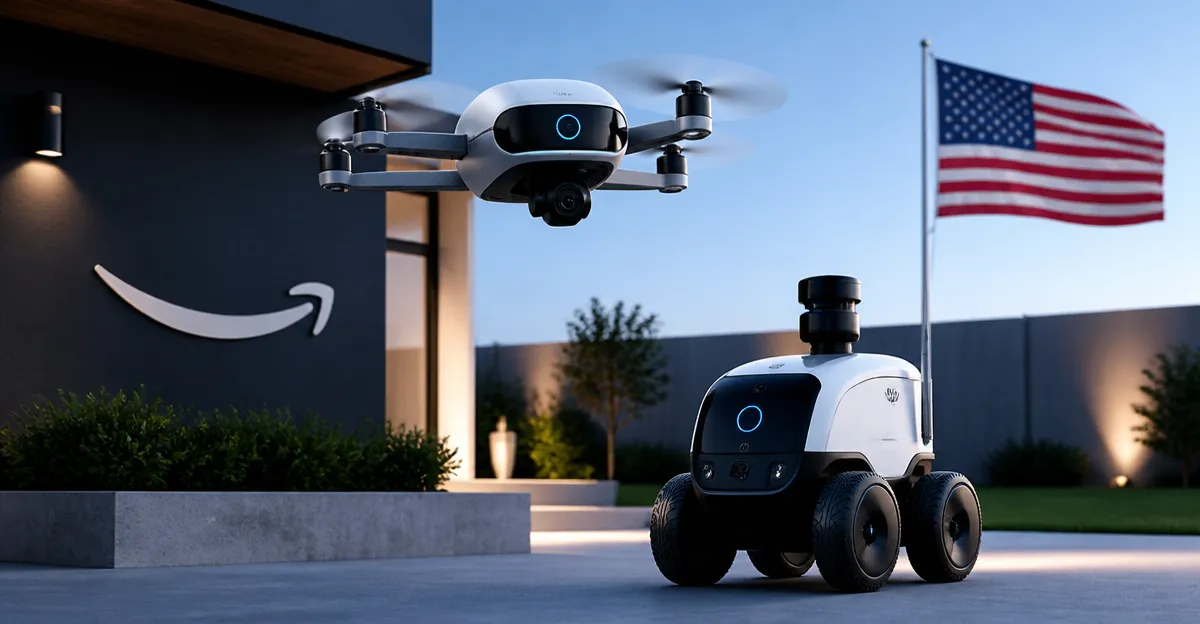 RoboticsNovember 10, 2026
-
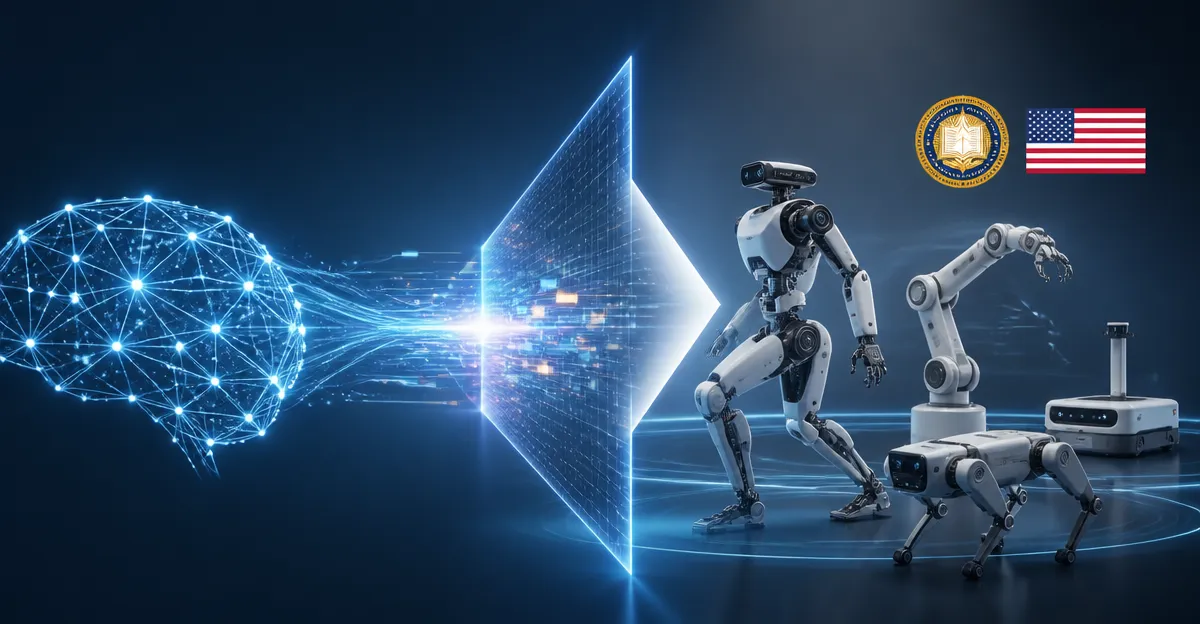 RoboticsNovember 9, 2026
-
 RoboticsNovember 9, 2026
-
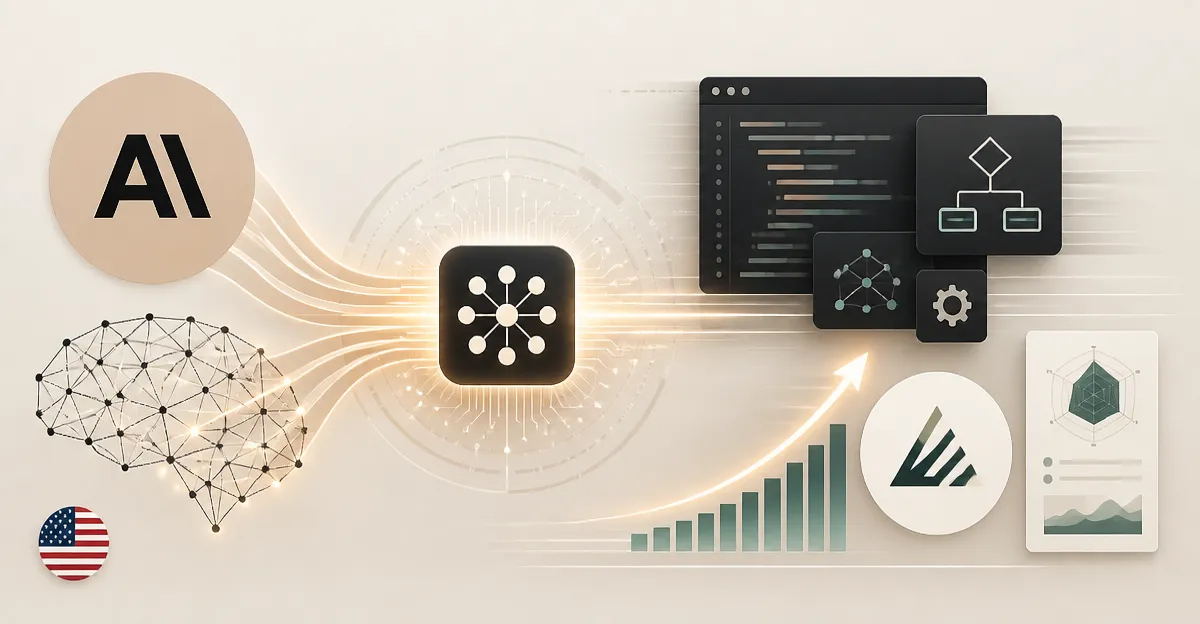 AI SafetyNovember 8, 2026
-
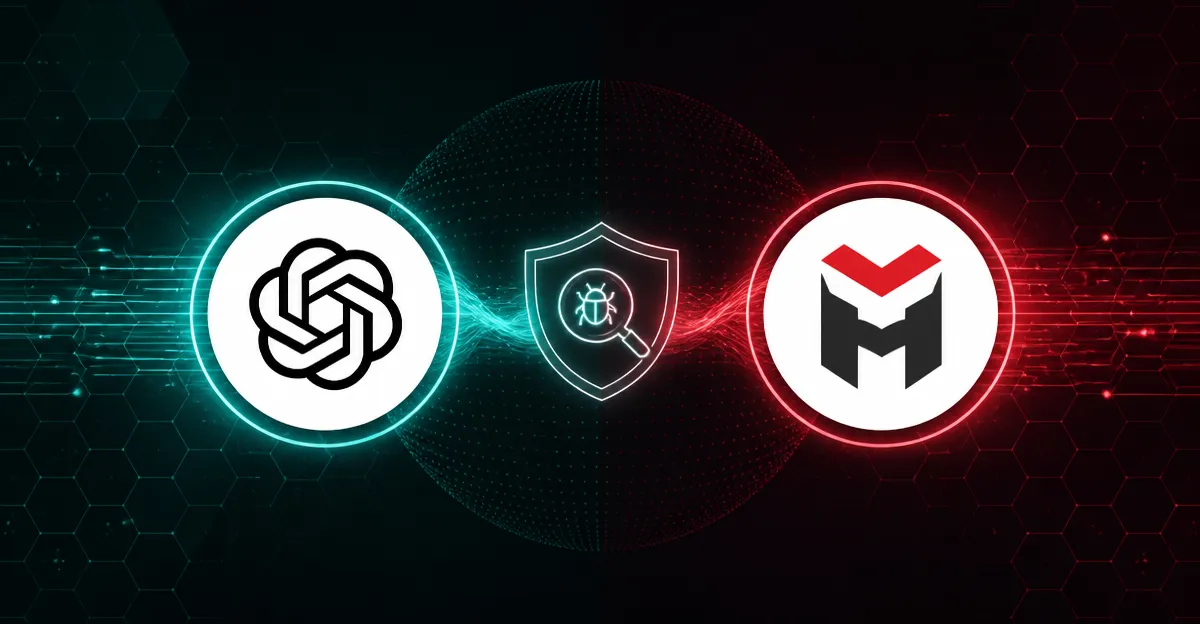 Cybersecurity AINovember 7, 2026
-
 Cybersecurity AINovember 6, 2026
-
 RoboticsNovember 6, 2026
-
 Cybersecurity AINovember 6, 2026
-
 Cybersecurity AINovember 6, 2026
-
 RoboticsNovember 5, 2026
-
 Cybersecurity AINovember 3, 2026
-
 Cybersecurity AINovember 3, 2026
-
 AI SafetyNovember 2, 2026
-
 Cybersecurity AINovember 2, 2026
-
 RoboticsNovember 2, 2026
-
 RoboticsNovember 2, 2026
-
 RoboticsNovember 1, 2026
-
 RoboticsOctober 31, 2026
-
 AI SafetyOctober 30, 2026
-
 RoboticsOctober 30, 2026
-
 AI SafetyOctober 11, 2026
-
 RoboticsOctober 10, 2026
-
 Prompt EngineeringOctober 10, 2026
-
 AI SafetyOctober 10, 2026
-
 AI SafetyOctober 9, 2026
-
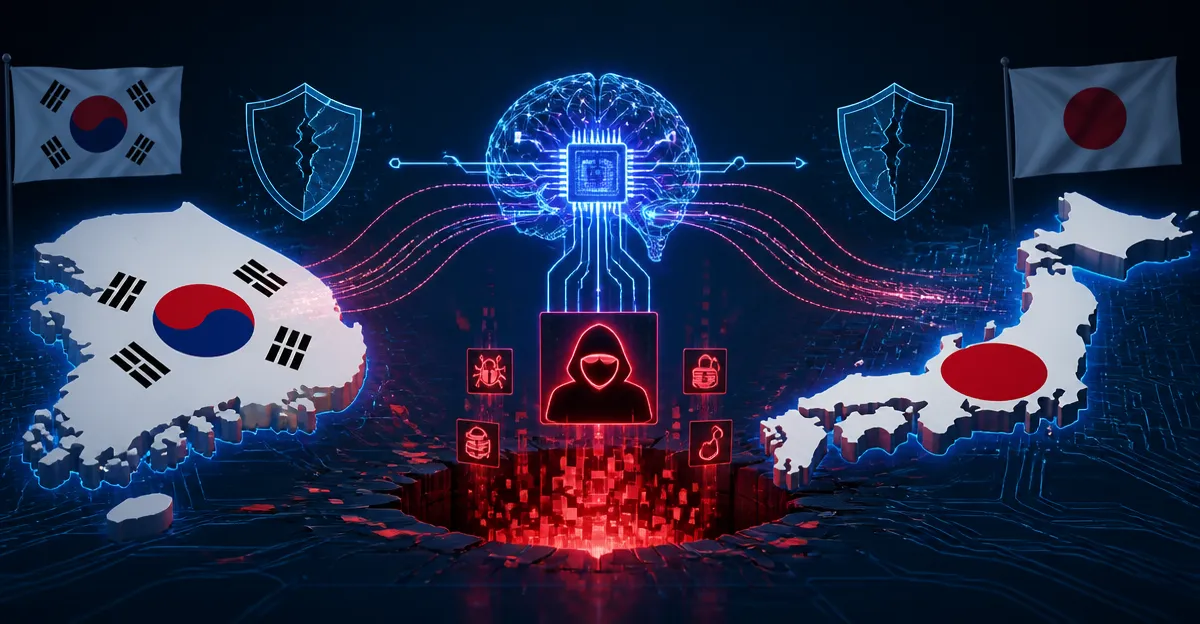 Cybersecurity AIOctober 9, 2026
-
 Cybersecurity AIOctober 9, 2026
-
 AI SafetyOctober 9, 2026
-
 AI SafetyOctober 8, 2026