November 7, 2026, (Inside AI) — OpenAI has enlisted the security firm Hacktron to probe its systems for vulnerabilities, with a particular focus on how its services interact with third-party platforms. The partnership, announced this week, pairs OpenAI's engineers with Hacktron's researchers to test high-priority areas. Hacktron will also gain expanded access to OpenAI's frontier models through a program called Daybreak Red.
The move comes days after OpenAI said researchers from a firm called Cathedral would join its next security sprint. OpenAI also recently raised its bug bounty rewards. The sequence suggests a deliberate push to widen the net beyond internal testing, just as AI agents begin connecting external services in ways that create new attack surfaces.
Hacktron is not a household name, but its work caught OpenAI's attention through the company's Security Bug Bounty program. The firm builds AI agents for code review, penetration testing, and red teaming. Its researchers have found vulnerabilities in how applications, cloud infrastructure, and identity systems interact. That specialty aligns with OpenAI's stated focus for the partnership.
Why Third-Party Connections Are the New Front Line
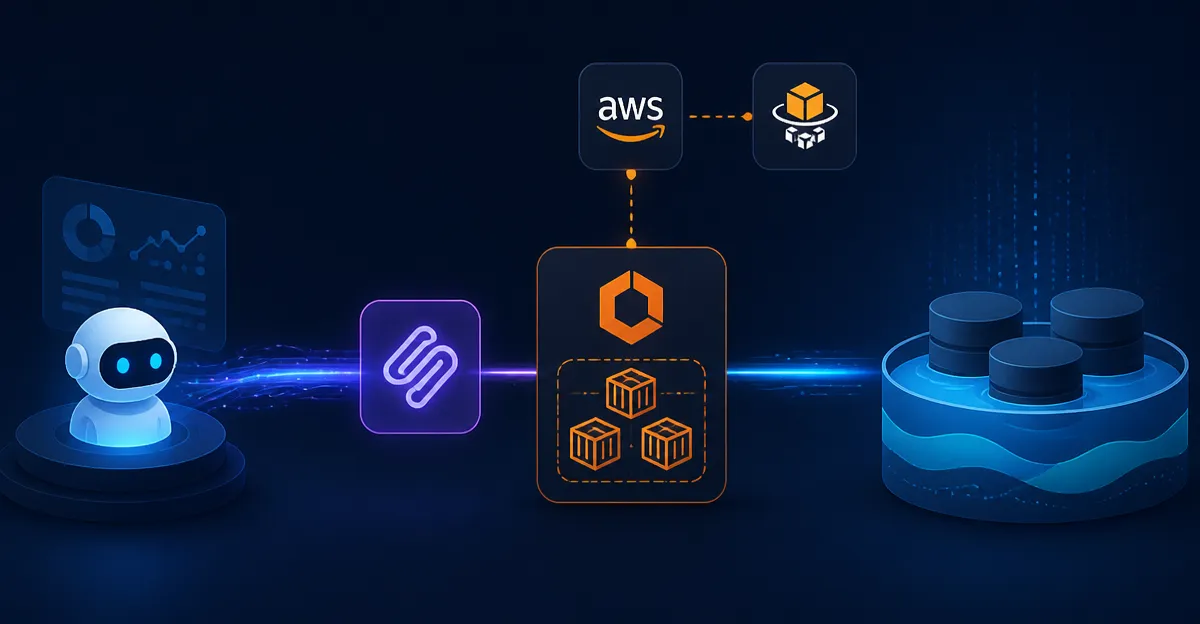
OpenAI's announcement frames the partnership around a specific technical concern. As AI agents connect services in new ways, the company says, the combination of skills becomes more valuable. In practice, that means testing the seams between OpenAI's models and the external tools they call. Those seams are where authentication flows, data handoffs, and permission boundaries can fail.
Read: OpenAI's AI Pipeline Found and Patched 948 Linux Flaws in Hours
The arrangement gives Hacktron more than a testing role. Expanded access to frontier models through Daybreak Red could let the firm's AI agents probe OpenAI's systems at a scale and speed that human testers cannot match. OpenAI did not disclose the financial terms, the duration of the partnership, or which specific third-party services will be tested first.
OpenAI described its motivation in direct terms. "As we work to accelerate cyber defense with frontier AI, we're applying the same urgency to finding and fixing vulnerabilities in our own systems," the company said in its announcement.
The partnership also reflects a broader shift in how AI companies handle security. Bug bounty programs have long relied on independent researchers who report flaws for rewards. OpenAI says it raised those rewards to give researchers more reason to pursue vulnerabilities its own testing may have missed. Bringing a firm like Hacktron in-house, even on a partnership basis, goes further by giving an outside team deeper access and a collaborative role.
OpenAI's praise for Hacktron was specific. The company said it was impressed by the impact of vulnerabilities Hacktron's researchers had discovered and disclosed. "Their work shows what's possible when security engineers build around AI to move faster and take on more ambitious research," OpenAI said.
The timing matters. AI agents that connect to third-party services introduce risks that traditional application security reviews may not catch. An agent that can read email, query databases, or trigger payments creates a chain of trust across multiple systems. A flaw anywhere in that chain can expose user data or allow unauthorized actions. Testing those connections requires both AI expertise and security engineering, which is exactly the combination Hacktron offers.
OpenAI's decision to publicize the partnership, rather than keep it quiet, may serve a dual purpose. It signals to customers and regulators that the company is serious about security. It also signals to the security research community that OpenAI is open to outside help. The company explicitly thanked Hacktron and other independent researchers who report weaknesses.
Still, the announcement leaves key questions unanswered. OpenAI did not say how many researchers from Hacktron will participate, how findings will be disclosed, or whether the partnership will produce public reports. The company also did not specify what Daybreak Red entails beyond expanded model access. Those details will matter for assessing whether the partnership is a substantive security effort or a public relations gesture.
The partnership follows a pattern of AI companies turning to specialized security firms as their systems grow more complex. Earlier this week, OpenAI said Cathedral's researchers will work alongside its teams in the next security sprint. That sprint appears to be a time-boxed push to find and fix flaws. The Hacktron partnership, by contrast, seems to be an ongoing collaboration.
For Hacktron, the partnership offers access that most security firms would covet. Frontier models are expensive and tightly controlled. Expanded access through Daybreak Red could help Hacktron refine its AI agents for code review and red teaming. That, in turn, could make its services more attractive to other clients.
OpenAI's bug bounty program remains open to independent researchers. The company directed those interested to its program page to see which systems are in scope or to submit a finding. The partnership with Hacktron does not appear to replace the bounty program. Instead, it adds a collaborative layer on top of it.
The security stakes are high. OpenAI's systems handle sensitive conversations, business data, and increasingly, autonomous actions through agents. A vulnerability in how those systems interact with third-party services could have wide consequences. By bringing in Hacktron, OpenAI is betting that outside expertise, combined with AI tools, can find flaws faster than internal teams alone.
Whether that bet pays off will depend on what the partnership uncovers and how quickly fixes are deployed. For now, OpenAI has signaled that it intends to make security a visible priority. The company's willingness to name its partners and describe their roles suggests confidence in the effort. It also sets an expectation that results will follow.

Tobias is less interested in what a robot or a prompt can do today than in what it means for tomorrow. He writes about prompt engineering and robotics for readers who want context, not just specs.