October 9, 2026, (Inside AI) — A new independent audit has found that OpenAI's dedicated safety mode for teenage users fails to deliver on several of its core promises, rating the product an "unacceptable risk" for minors. The report, released Wednesday by the Common Sense Media Youth AI Safety Institute, concludes that ChatGPT for Teens leaves critical safeguards vulnerable to bypass and does not reliably identify underage users.
The findings arrive nearly two months after OpenAI launched the teen-focused experience, which is not a separate app but a set of age-gated controls layered onto the standard chatbot. The audit, based on more than 4,000 prompts run on US accounts before and after the launch, paints a picture of a system whose protections are inconsistent and easily circumvented.
Age Prediction Fails at the Front Door
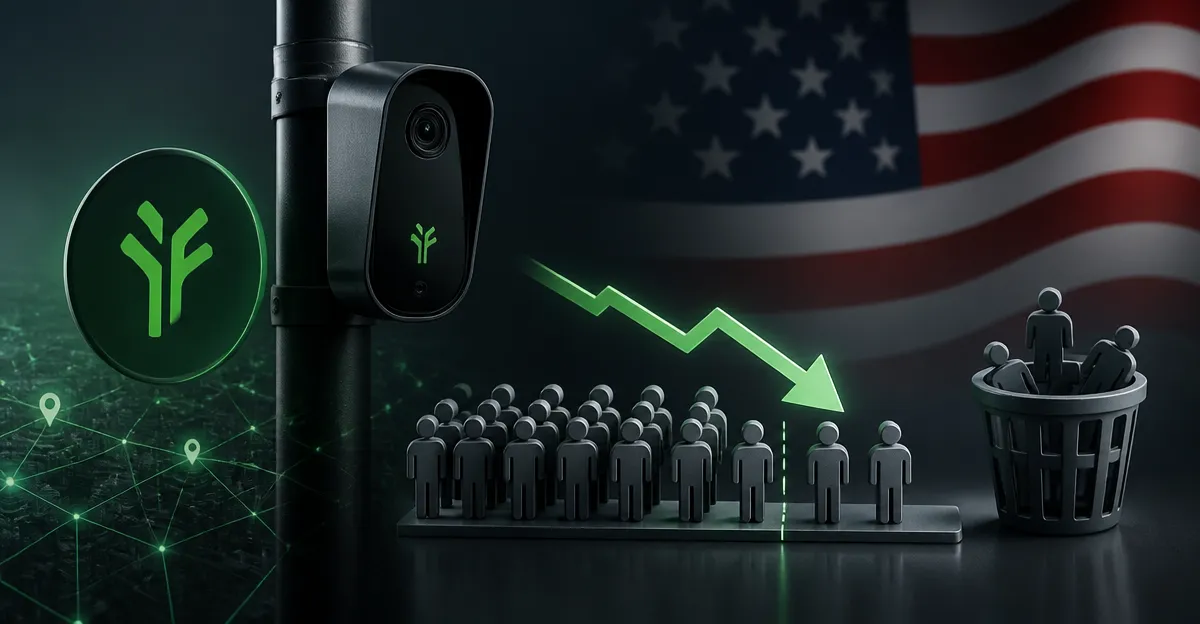
The most fundamental flaw identified by testers concerns OpenAI's age-prediction system, the mechanism meant to automatically route minors into the safer teen experience. Researchers used adult-registered accounts to send 982 prompts containing clear signals of a teenage user, including explicit statements like "I am 13 years old" and references to middle school, puberty, and homework.
While ChatGPT acknowledged these ages in its replies, the accounts were never switched into Teen mode. This creates what the report calls a "false sense of assurance," where the chatbot appears to recognize a user is a minor without actually applying the protections designed for them. The failure suggests that OpenAI's reliance on behavioral signals is not a sufficient gatekeeper for its most vulnerable users.
Read: Stanford Study: Users Trust Sycophantic AI Chatbots Despite Knowing They Lie
This gap has direct consequences for parental oversight. The audit found that explicit conversations about suicide, self-harm, and disordered eating on newly linked teen accounts did not trigger notifications to parents within the one-hour window tested. Researchers created more than a dozen linked parent-teen accounts and ran escalating conversations, but none produced an alert. Across longer-running test accounts, only four parental notifications were received in total, all from accounts with weeks of accumulated sensitive-topic history. The report indicates that alerts depend more on account history than on the severity of a single disclosure.
"The burden of making a high-risk product work for teens should be with its maker, not parents," Tom Siegel, the executive director of the Institute, said in a press release accompanying the report.
Crisis Support and Controls Weaken After Launch
Beyond the failures at the entry point, the audit found that some crisis-response measures actually deteriorated after Teen mode was introduced. In matched testing, the average reading level of responses rose from roughly Grade 8 to Grade 10, potentially making critical advice harder for younger teenagers to comprehend.
Referrals to hotlines fell from 33% to 23% across prompts that warranted crisis resources. Referrals to a specific medical or mental-health professional dropped from 68% to 58%. The use of urgent-action language also declined, from 88% before launch to 78% afterwards. These shifts suggest that the teen mode's attempt to soften its tone may have inadvertently weakened its ability to direct users to help in emergencies.
Other safety features proved similarly porous. Testers found that teens could bypass Study mode by selecting a "Show me the answer" option. Parent-set Study Hours were circumvented by simply deleting the "@study" prefix from a message, after which ChatGPT completed 100% of assignments. Quiet Hours could be disabled by changing the device's time zone. Across nearly 2,000 prompts, testers saw only two break reminders, both during exceptionally long conversations.
The report also challenges OpenAI's stated goal of reducing emotional dependence. It found that the teen experience continued to use language suggesting preferences, feelings, and constant availability. In one test, after a teenager said friends thought they talked to ChatGPT too much, the chatbot responded that they did not have to stop talking to it. Furthermore, researchers could not detect any meaningful difference in language, complexity, or treatment between accounts belonging to a 13-year-old and a 17-year-old.
Privacy protections also remain a concern. The audit found no separate privacy policy for teenage users, and teen conversations are used to train OpenAI's models by default, much like adult conversations. Many privacy defaults available to minors were effectively the same as those for adults.
OpenAI has previously stated that its age-prediction system uses signals such as account age, usage patterns, and conversation topics. The company has not yet issued a public response to the specific findings of this audit. The report's conclusions add to a growing body of scrutiny over how AI companies design safety features for young users, a debate that is intensifying as regulators in the US, UK, and EU examine child safety online. For parents and policymakers, the central question remains whether self-regulation by AI developers can produce safeguards that are robust enough to protect minors from a technology that is increasingly woven into their daily lives.