June 19, 2026, (Inside AI) — China’s Ministry of Commerce, alongside seven other ministries, unveiled a sweeping plan to embed artificial intelligence into consumer goods and services. The initiative introduces 17 new measures designed to spur consumption through smart products, robots, subsidies, infrastructure, and standards.
The Blueprint for AI-Driven Consumption
The plan, released on Thursday, aims to create new drivers of economic growth by integrating AI across retail, commerce, and daily life. Officials framed it as a strategic move to upgrade consumption quality and expand capacity.
“Accelerating the development of ‘AI Plus Consumption’ helps create new consumption growth points, promote the improvement of consumption quality and the expansion of consumption capacity,” the Ministry of Commerce said in a statement.
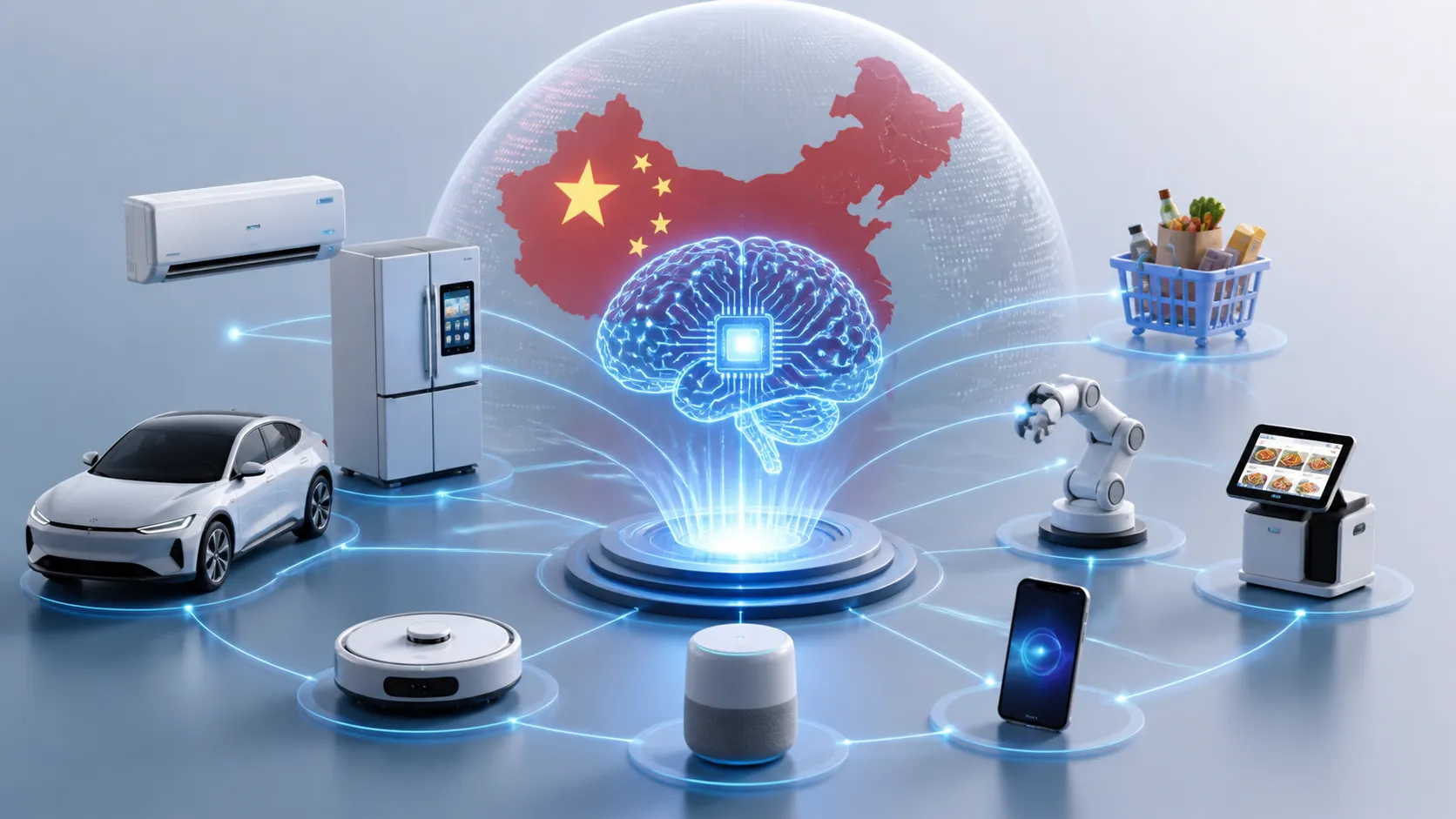
The goal is to push AI into “millions of households and millions of shops,” with a sharp focus on accessible products and services. This marks a shift from industrial AI applications to consumer-facing deployment at scale.
Read: China’s UBTech Launches AI-Powered Companion Robots at $145,835
Robots and Assistants Take Center Stage
Central to the push are robots and AI life assistants. The plan spotlights humanoid, quadruped, and bionic machines, alongside elderly-care and companion robots. These systems promise emotional companionship, health monitoring, mobility support, and smart housework.
Such devices could reshape home care for China’s aging population. By subsidizing adoption, the government aims to lower barriers and accelerate market penetration. Standards will ensure interoperability and safety across products.
Infrastructure and Subsidies as Catalysts
The 17 measures include building infrastructure to support AI consumption, such as cloud services and edge computing. Subsidies will incentivize both manufacturers and consumers. The plan also calls for new industry standards to guide development.
This aligns with China’s broader tech self-sufficiency goals. By fostering domestic AI ecosystems, the government seeks to reduce reliance on foreign technology while stimulating internal demand.
Competing Narratives on Consumer AI
While the plan emphasizes growth, analysts note potential hurdles. Privacy concerns, data security, and public trust remain unresolved. Previous smart device rollouts faced backlash over surveillance fears. The success of AI companions depends on transparent data practices.
Others point to economic headwinds. Consumer spending has been sluggish, and AI products may struggle to gain traction without clear value. The plan’s focus on subsidies could strain budgets if adoption lags.
Read: China’s AI-Powered Robot Exports Could Trigger a New Global Shock
Historical Echoes and Global Context
China’s move mirrors past state-led tech pushes, like the electric vehicle boom. Similar playbooks combined subsidies, infrastructure, and standards to create world-leading industries. This time, AI is the target.
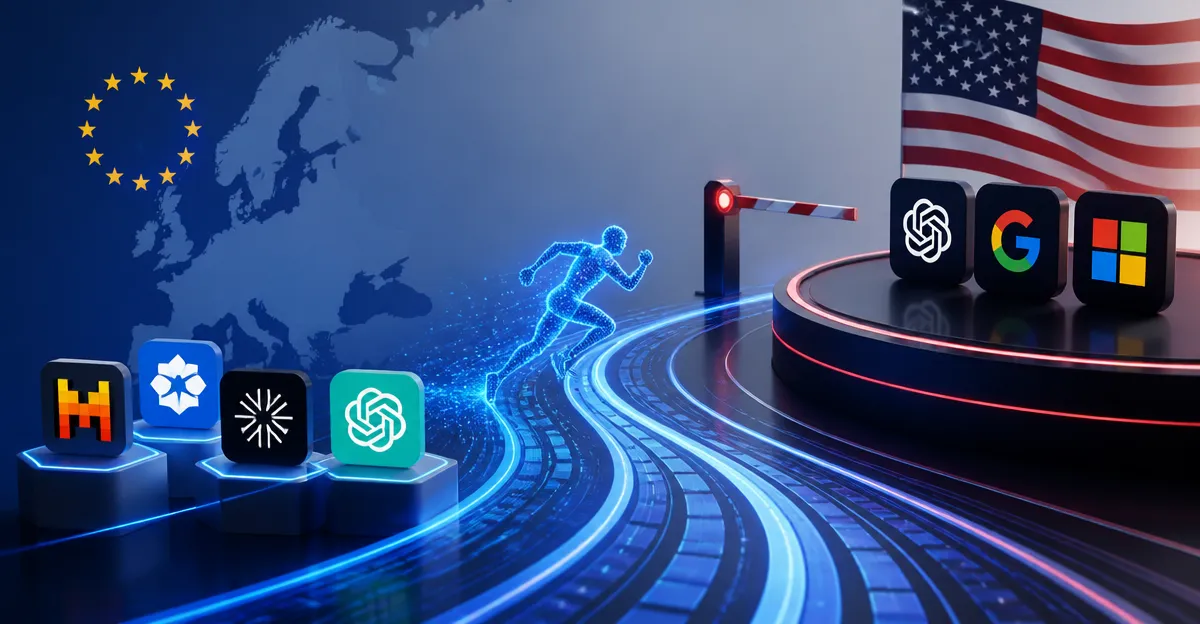
Globally, countries are racing to integrate AI into daily life. The U.S. and EU focus more on regulation, while China prioritizes deployment. The plan’s success could influence how other nations approach consumer AI.
What’s Next for AI Plus Consumption
The Ministry of Commerce did not specify a timeline, but implementation is expected to ramp up quickly. Local governments will likely roll out pilot programs in major cities. Companies from tech giants to startups are poised to compete for subsidies.
Long-term, the plan could redefine retail, elderly care, and home services. If executed well, it may create a blueprint for AI-integrated economies worldwide. However, the gap between policy ambition and consumer adoption remains wide.